OBJEKTILE
28.03 – 21.05.2026
RITA ZURBRÜGG
PICCOLLI
NELE DECHMANN
Curated by
Damian Christinger
An Exhibition Essay on Metamorphosis in Art, Design, and Architecture
This essay gathers works that resist stable categorization. Instead of fixed objects, we encounter transitions, forms caught in the act of becoming. Borrowing from Bernard Cache, we might call them objectiles, objects conceived not as final forms but as continuous series of variations. “The objectile is an object considered as a continuous series of variations.”¹ What appears here as a sofa, a brick, a machine, or a vessel is less an endpoint than a momentary arrest in a longer process of transformation.
Cache reminds us that “what is important is no longer the object but the event of its variation.”² This shift from object to variation reframes art, design, and architecture as dynamic fields rather than static typologies. Metamorphosis is not an applied theme but an operational condition. Materials bend, repeat, erode, accumulate, and reorganize. Form becomes phase.
In an exhibition setting, metamorphosis unfolds as spatial atmosphere. Structures hover between surface and en into membranes, membranes drift into space. Light penetrates, scatters, and is absorbed. What once functioned as surface acquires depth and presence.The artefact does not impose form upon space; it grows into it.
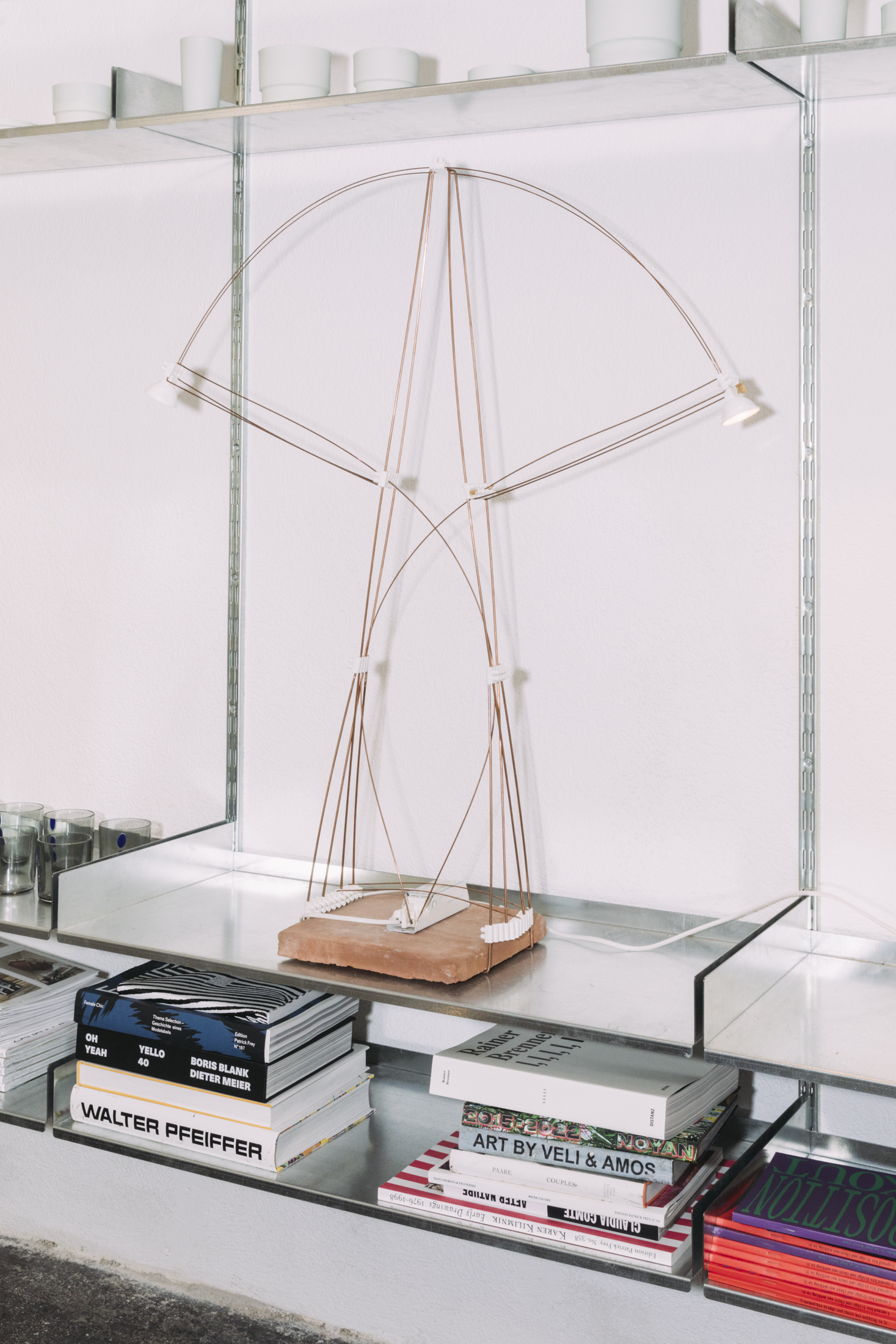
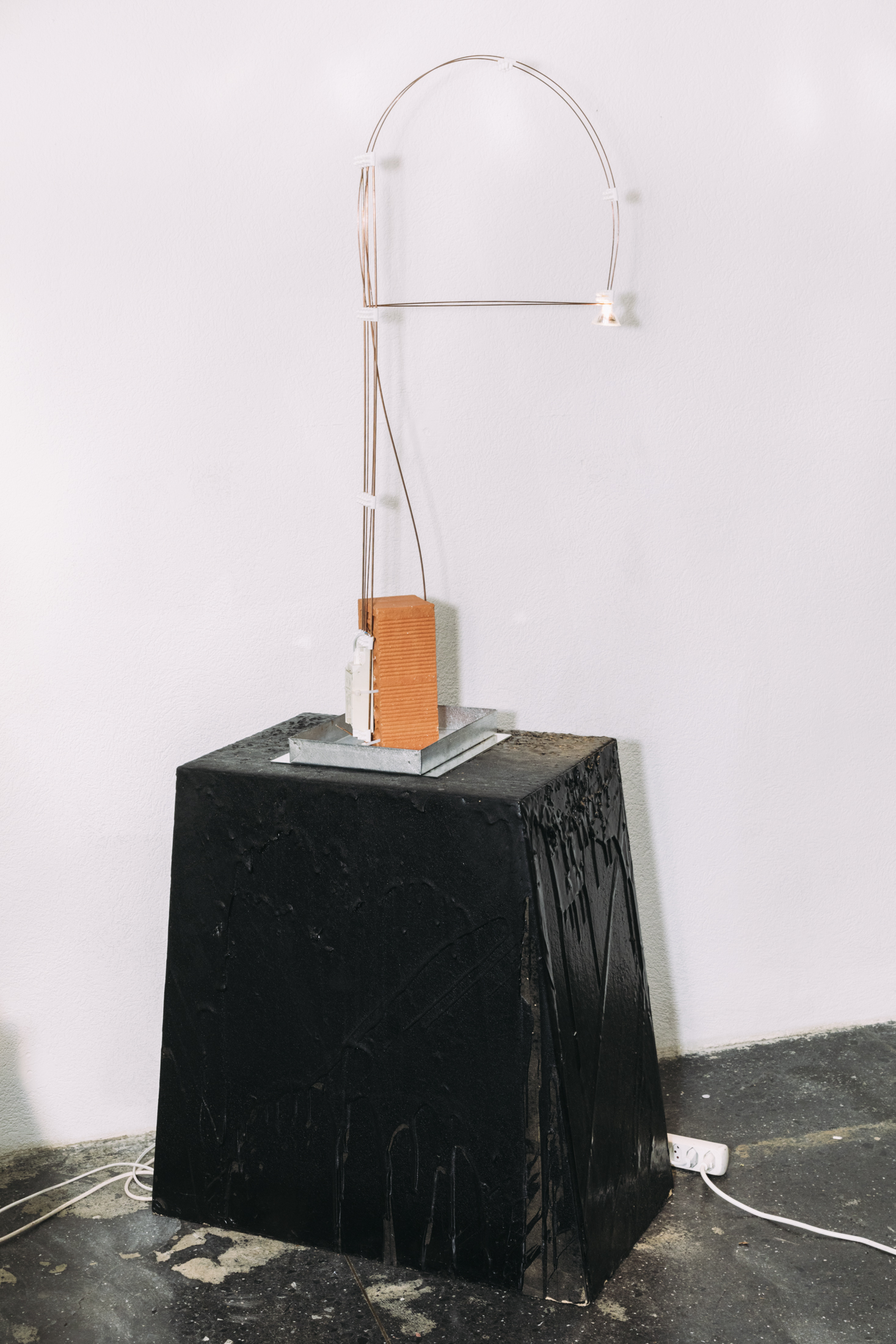
In the architectural-sculptural practice of Nele Dechmann, the brick, that most basic construction unit, is released from its habitual obedience. Bricks lean, stack, tilt, get cut and recombine into configurations that reference informal architectures and provisional constructions. The brick retains its memory as building block, yet it is asked to perform differently. It becomes both structure and fragment, both wall and gesture. Through repetition and displacement, Dechmann reveals how even the most standardized element carries latent variability. Architecture begins not with monumentality but with reconfiguration.
A related yet materially distinct transformation appears in the ceramic practice of Rita Zurbrügg. Her planters, shaped by hand and guided by an architectural sense
of proportion, negotiate between organic curvature and constructed clarity. Clay is neither purely sculptural nor merely functional. It becomes a mediator between growth and containment. The vessel is not a passive enclosure but a participant in vegetal life. Soil, moisture, root systems, and evaporation collaborate with the ceramic body. In these works, architecture’s promise of shelter is reimagined at the scale of the plant. The planter becomes terrain, a small habitat attuned to cycles of emergence and decay.
The design duo Piccolli, formed by Rina Rolli and Noel Picco, both trained and practicing architects, extend this logic into the terrain of reuse. Working with found materials from construction sites, they create furniture and machines that preserve the scars and histories of their components. Offcuts, fragments, and discarded parts are not purified into seamless products but reassembled into new constellations. The result is neither nostalgic bricolage nor industrial polish. It is an acknow-ledgment that materials circulate through phases of extraction, use, abandonment, and reactivation. Their works embody an ecological metamorphosis in which waste becomes structure
and detritus becomes instrument.
Across these practices, perception itself becomes unstable. As Juhani Pallasmaa reminds us, architecture is grounded in bodily encounter: “The door handle is the handshake of the building.”³ This observation shifts attention from visual spectacle to tactile engagement. The porous ceramics of Zurbrügg, the rough brick assemblages of Dechmann, and the textures of Piccolli invite the hand as much as the eye. Metamorphosis is registered in the body. Surface temperature, weight, resistance, and balance become part of the aesthetic field.
Material, in this exhibition, is not inert. Jane Bennett describes this vitality as thing power: “By thing-power I mean the curious ability of inanimate things to animate, to act, to produce effects dramatic and subtle.”⁴ The works assembled here demonstrate that materials are not passive recipients of human intention. Clay cracks. Brick absorbs moisture. Metal oxidizes. These transformations are not failures but continuations.
Bennett further cautions that “The image of dead or thoroughly instrumentalized matter feeds human hubris and our earth destroying fantasies of conquest and consumption.”⁵ To recognize metamorphosis is therefore to adopt an ethic. It is to accept that art, design, and architecture participate in broader ecologies of change. The object is not sovereign. It is contingent, relational, exposed to time.
Objectiles do not promise permanence. They offer variation. They suggest that every artifact is a temporary constellation of forces, a brief stabilization within longer material and energetic flows. Clay becomes habitat. Brick becomes sculpture. Offcuts become design. In each case, the work resists closure. It invites us to dwell not in the certainty of fixed form but in the hum of continual becoming.
1. Bernard Cache, Earth Moves: The Furnishing of Territories,
trans. Anne Boyman (Cambridge, MA: MIT Press, 1995), 89.
2. Ibid., 94.
3. Juhani Pallasmaa, The Eyes of the Skin: Architecture
and the Senses (Chichester: Wiley, 2005), 64.
4. Jane Bennett, Vibrant Matter: A Political Ecology
of Things (Durham: Duke University Press, 2010), xvi.
5. Ibid., 122.
EXHIBITION VIEWS
![]()
![]()
![]()
![]()


WORKS


Rita Zurbrügg
Untitled (Planter 1), 2026
Stoneware, engobe, glazed
H 49 x W 40 x D 42 cm
Unique
ENQUIRE

Rita Zurbrügg
Nazar Battu (Bike Helmet rack), 2026
Stoneware, engobe, glazed, wool
H 23 (70) x W 10 x D 24 cm
Unique
ENQUIRE


Rita Zurbrügg
Untitled (Planter 1), 2026
Stoneware, engobe, glazed
H 49 x W 40 x D 42 cm
Unique
ENQUIRE


Piccolli
Till I Collab, 2025
Chrome-plated steel tube, clamps, pressure regulator
with hose, end caps; CO₂ cylinder (13 L, ALIGAL™ 2, Air Liquide),
Aarke Carbonator 3
H 129.5 x W 39 x L 39 cm
Open Edition
ENQUIRE


Piccolli
Teletube, 2025
Stainless steel sheet, ratchet straps, stainless steel
tension and compression rods
H 67 x W 110 x L 271 cm
Unique
ENQUIRE
Teletube, 2025
Stainless steel sheet, ratchet straps, stainless steel
tension and compression rods
H 67 x W 110 x L 271 cm
Unique
ENQUIRE


Nele Dechmann
Open 2, (Floor light), 2026
Extruded façade bricks, drilled; copper
H 81 x W 24 x L 37 cm
Edition of 5
ENQUIRE

Nele Dechmann
Open 1, (Display), 2026
Extruded façade bricks, cut; copper
H 41.5 x W 69 x L 95 cm
Unique
ENQUIRE
Open 1, (Display), 2026
Extruded façade bricks, cut; copper
H 41.5 x W 69 x L 95 cm
Unique
ENQUIRE

Rita Zurbrügg
Untitled (Vase 01), 2026
Earthenware, engobe, glazed
H 27 x W 22 x D 14 cm
Unique

Rita Zurbrügg
Untitled (Vase 02), 2026
Earthenware, engobe, glazed
H 38 x W 26 x D 13 cm
Unique

Rita Zurbrügg
Untitled (Vase), 2024
Earthenware, engobe, glazed
H 14 x Ø 20 cm
Unique
Yvonne Rogenmoser
HERE NOW
DER PAVILLION – Singular Voices
St. Moritz
29.01 – 01.03.26
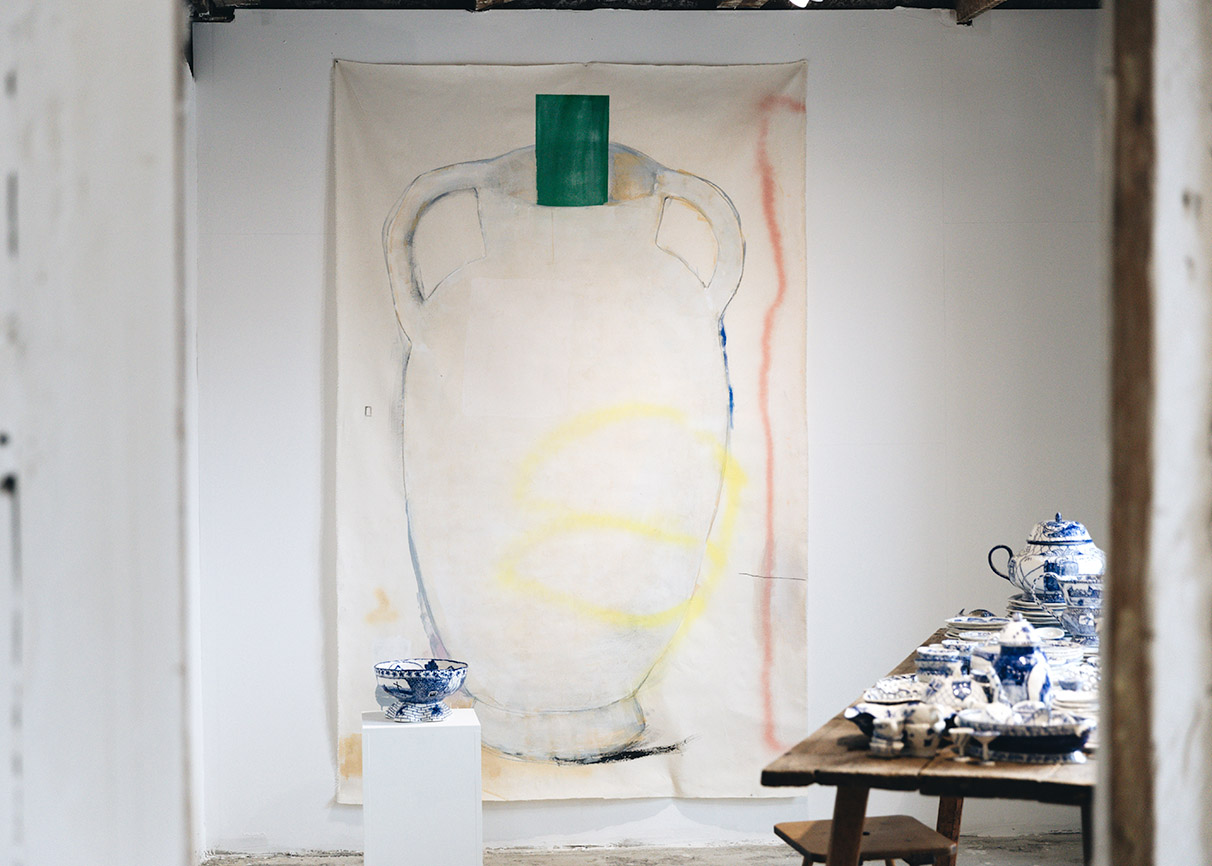
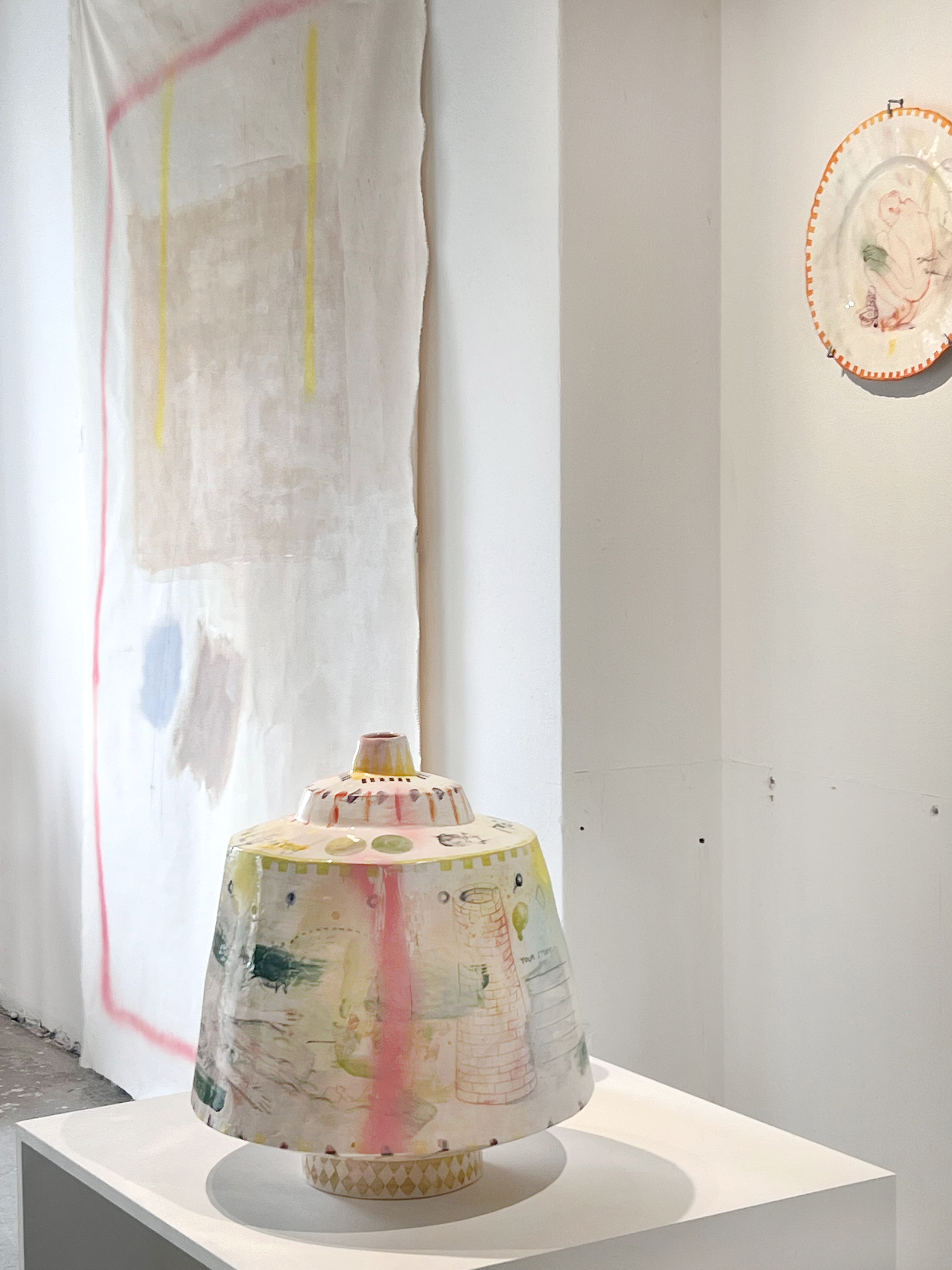
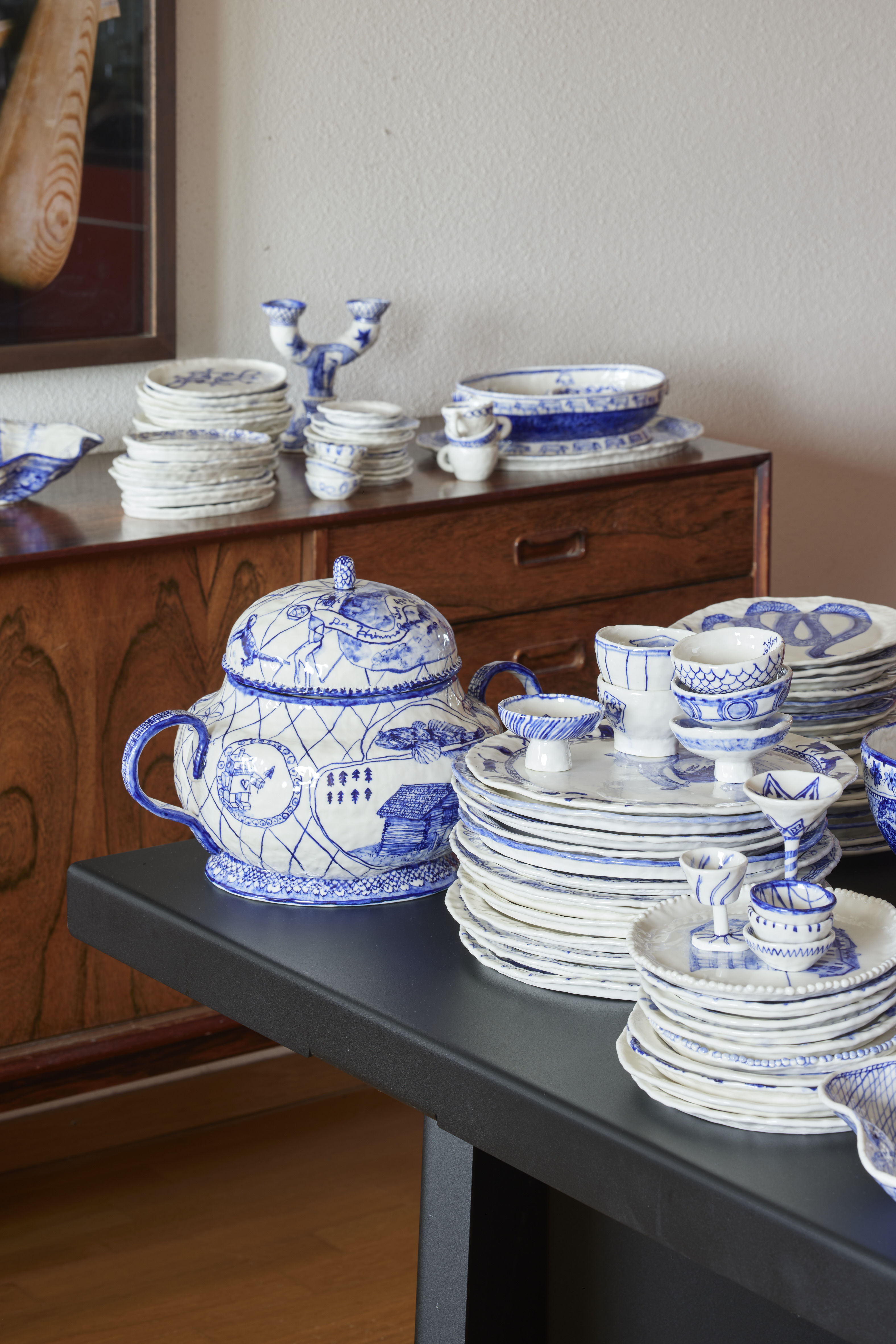
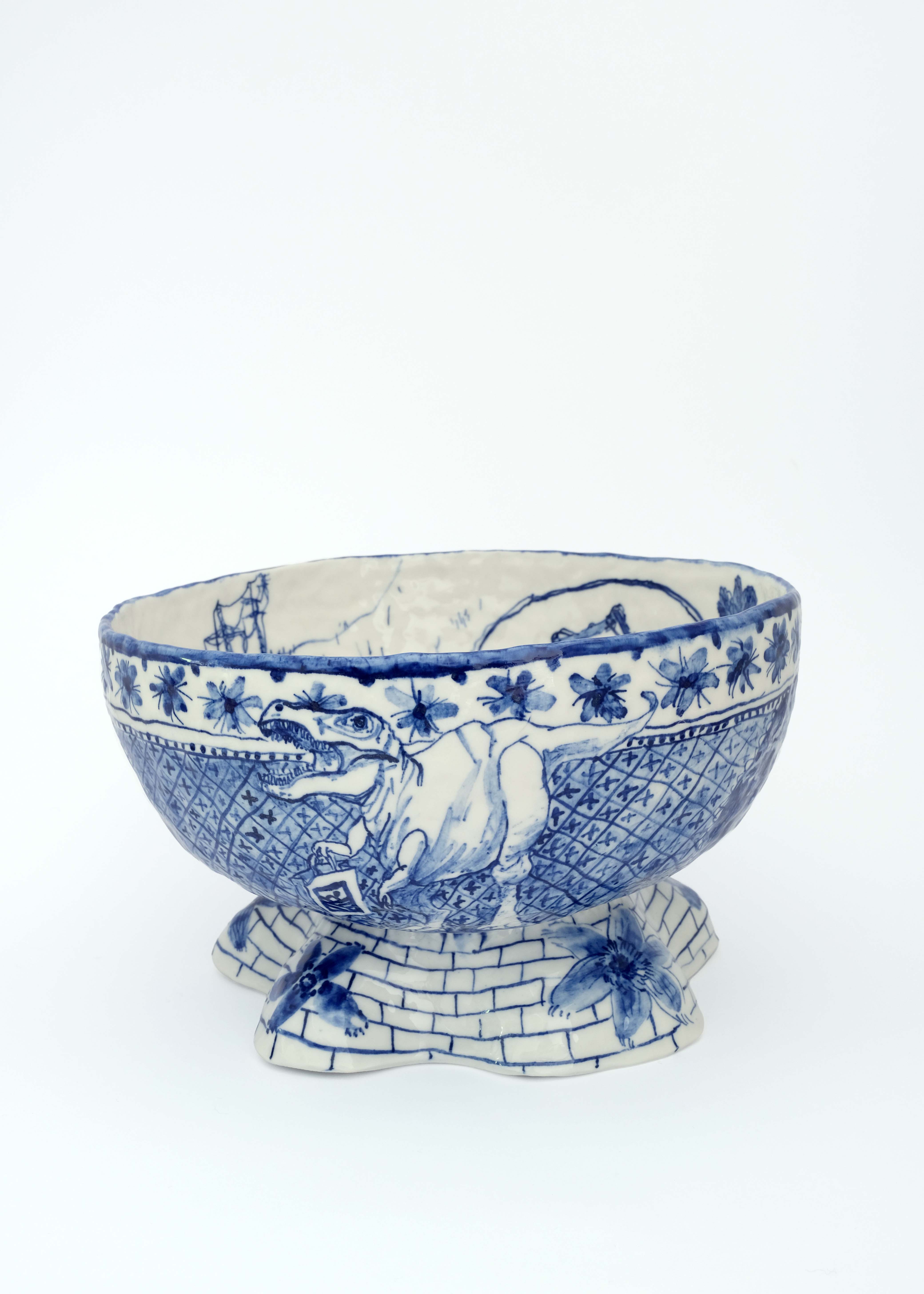
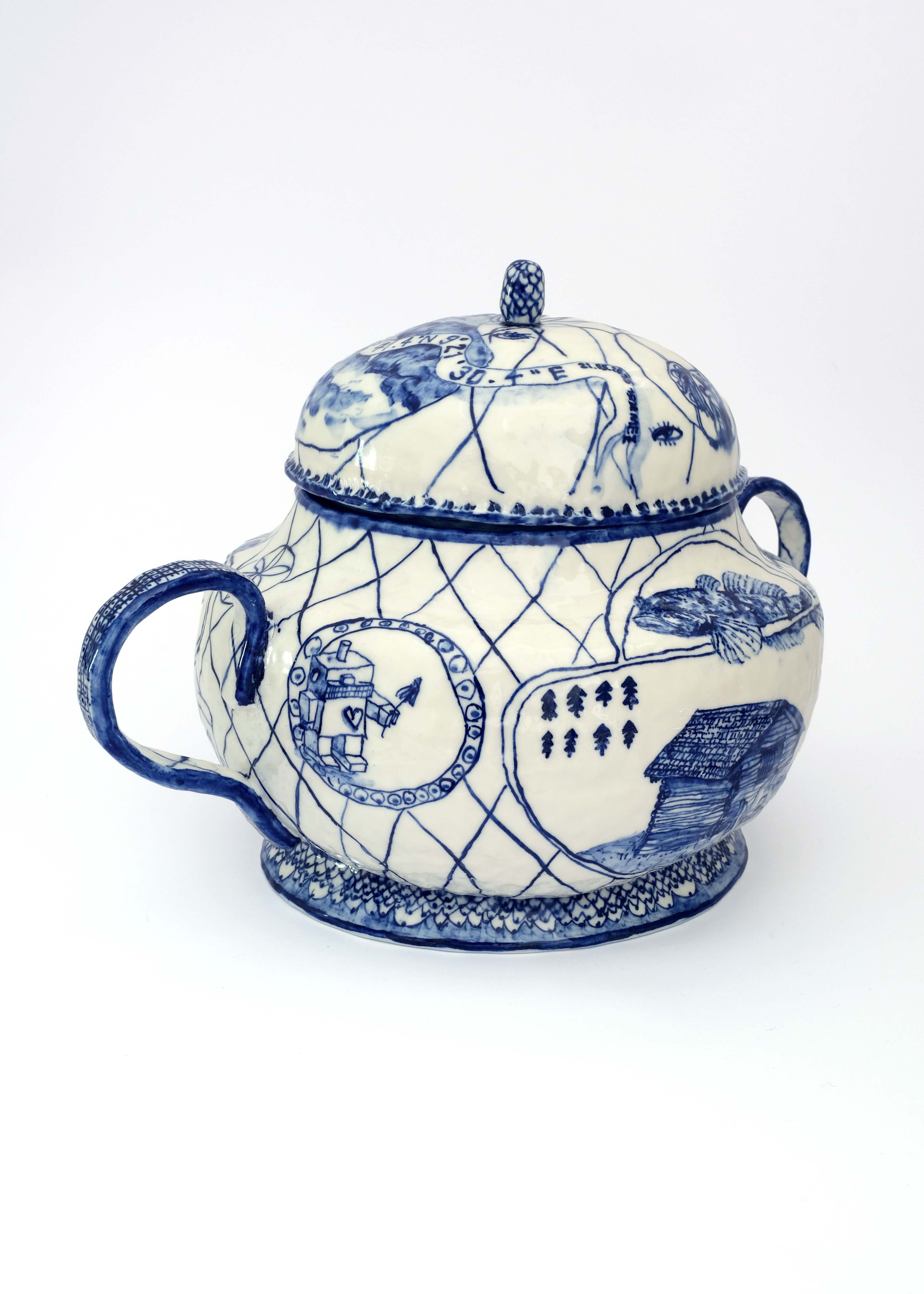
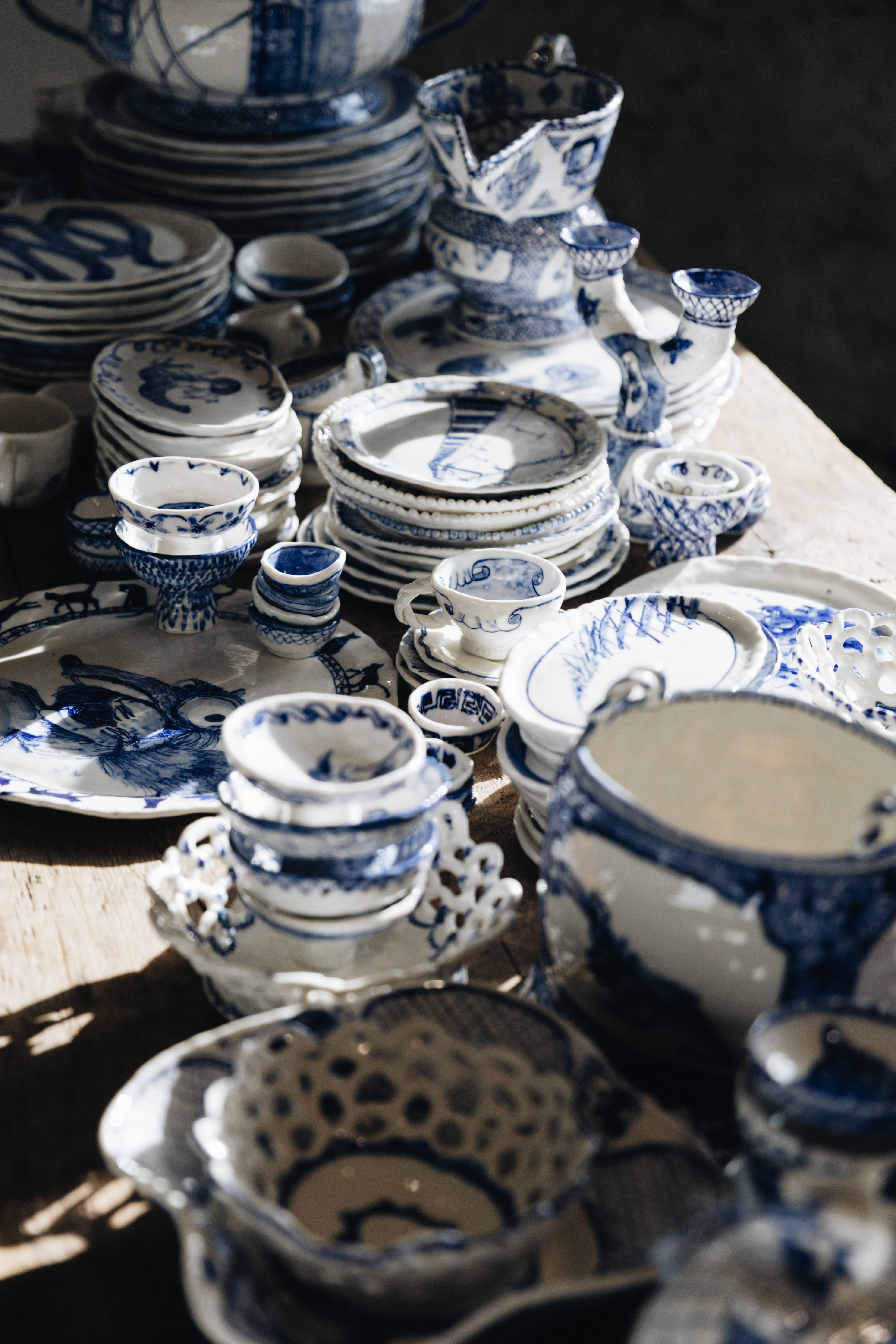
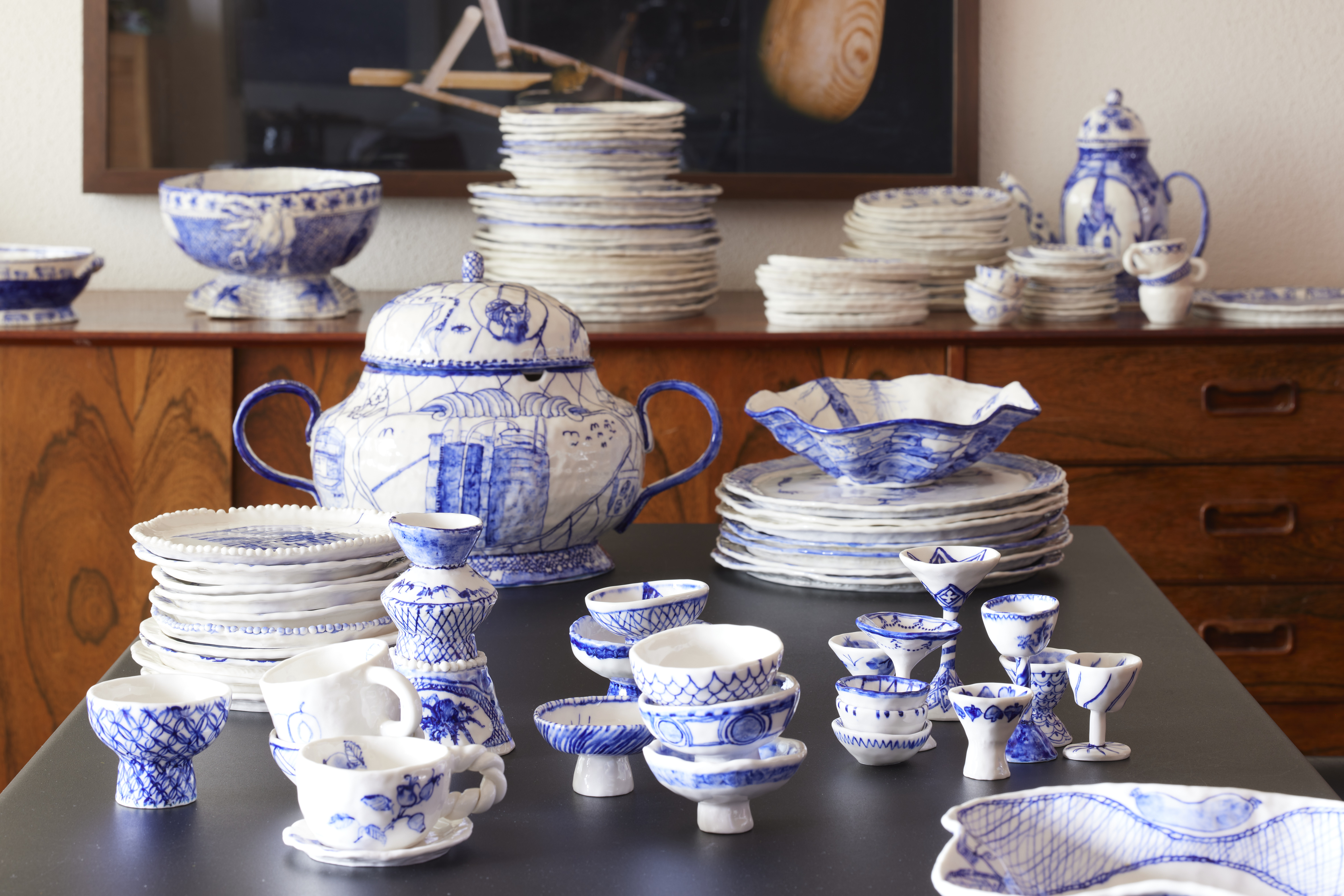
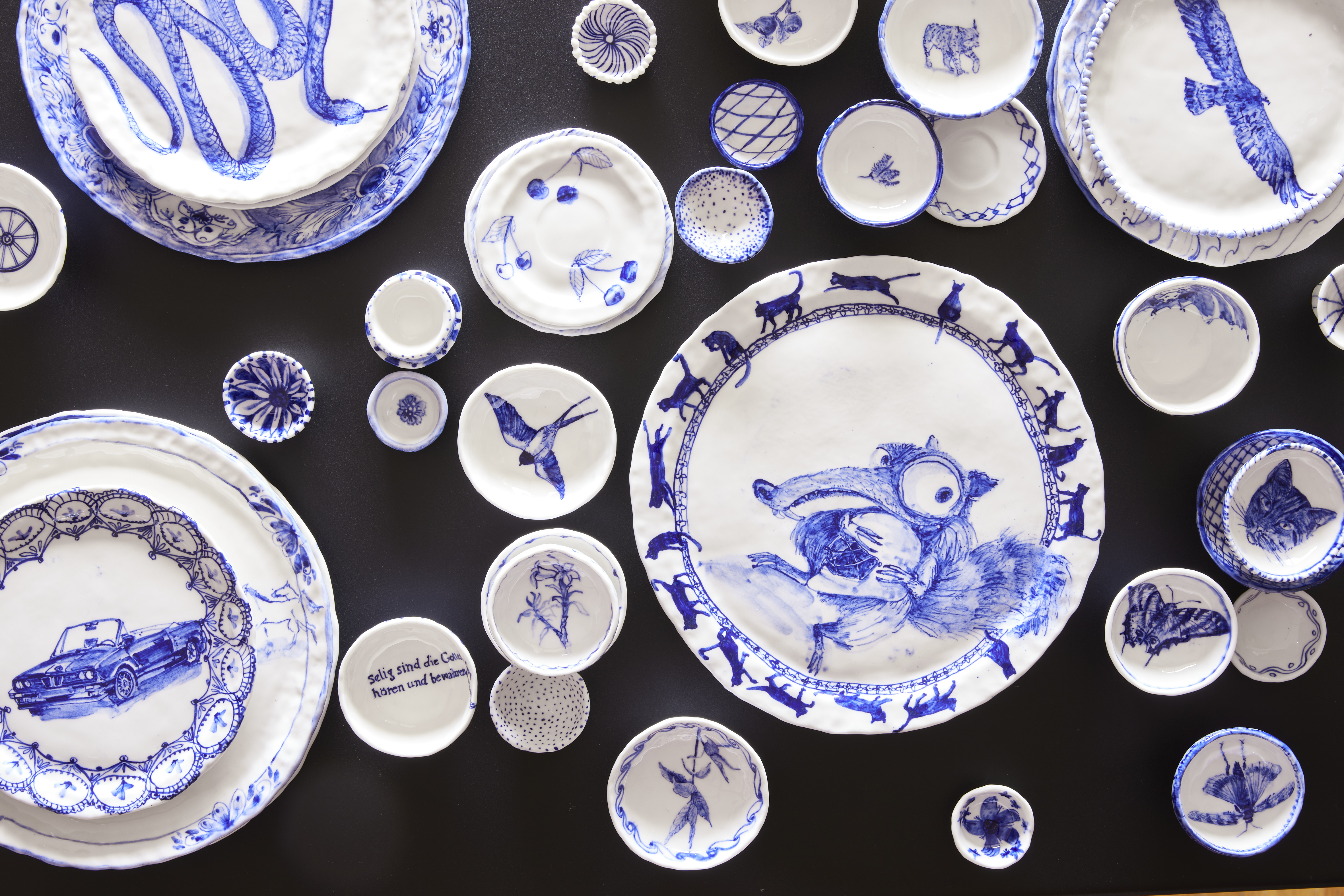
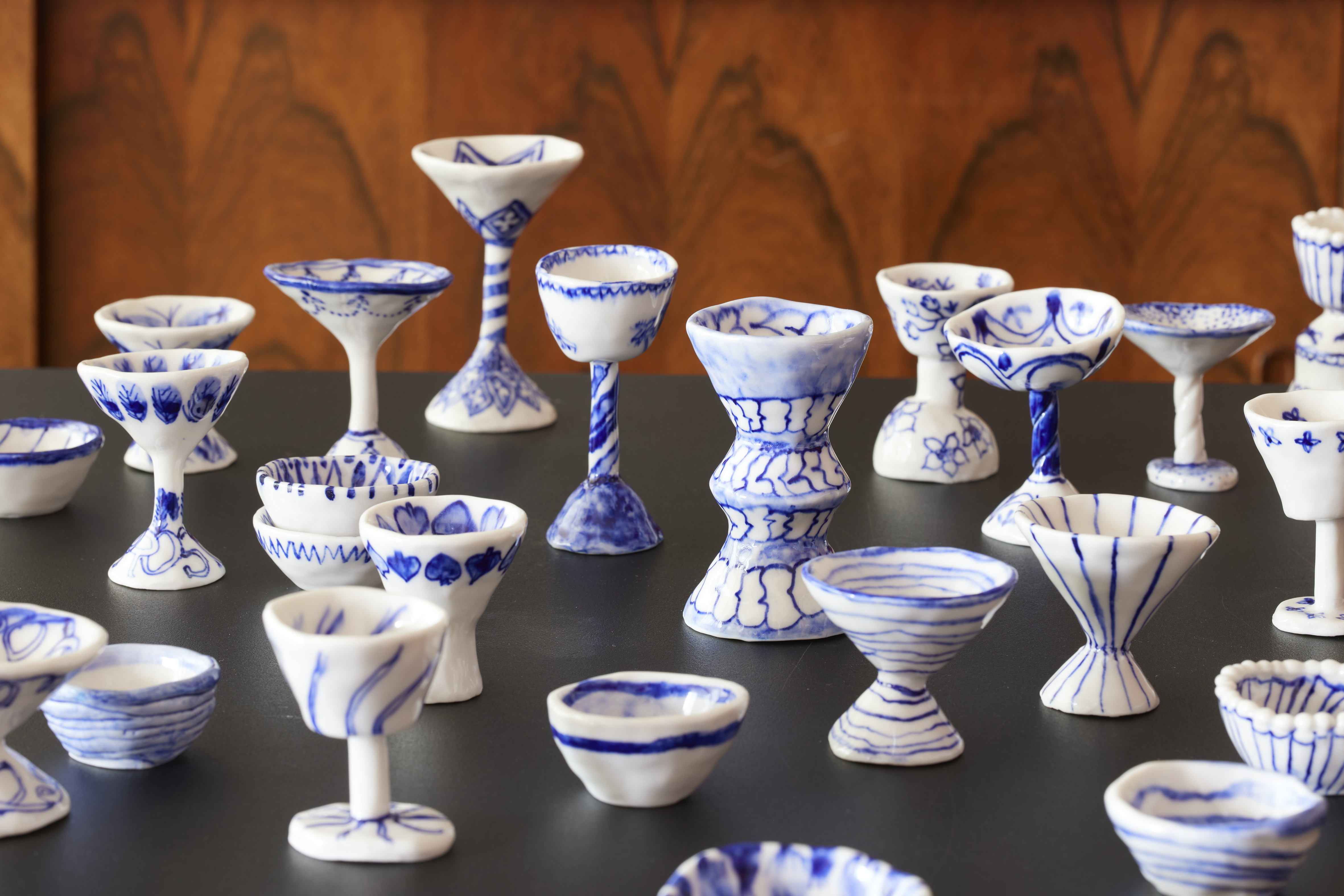
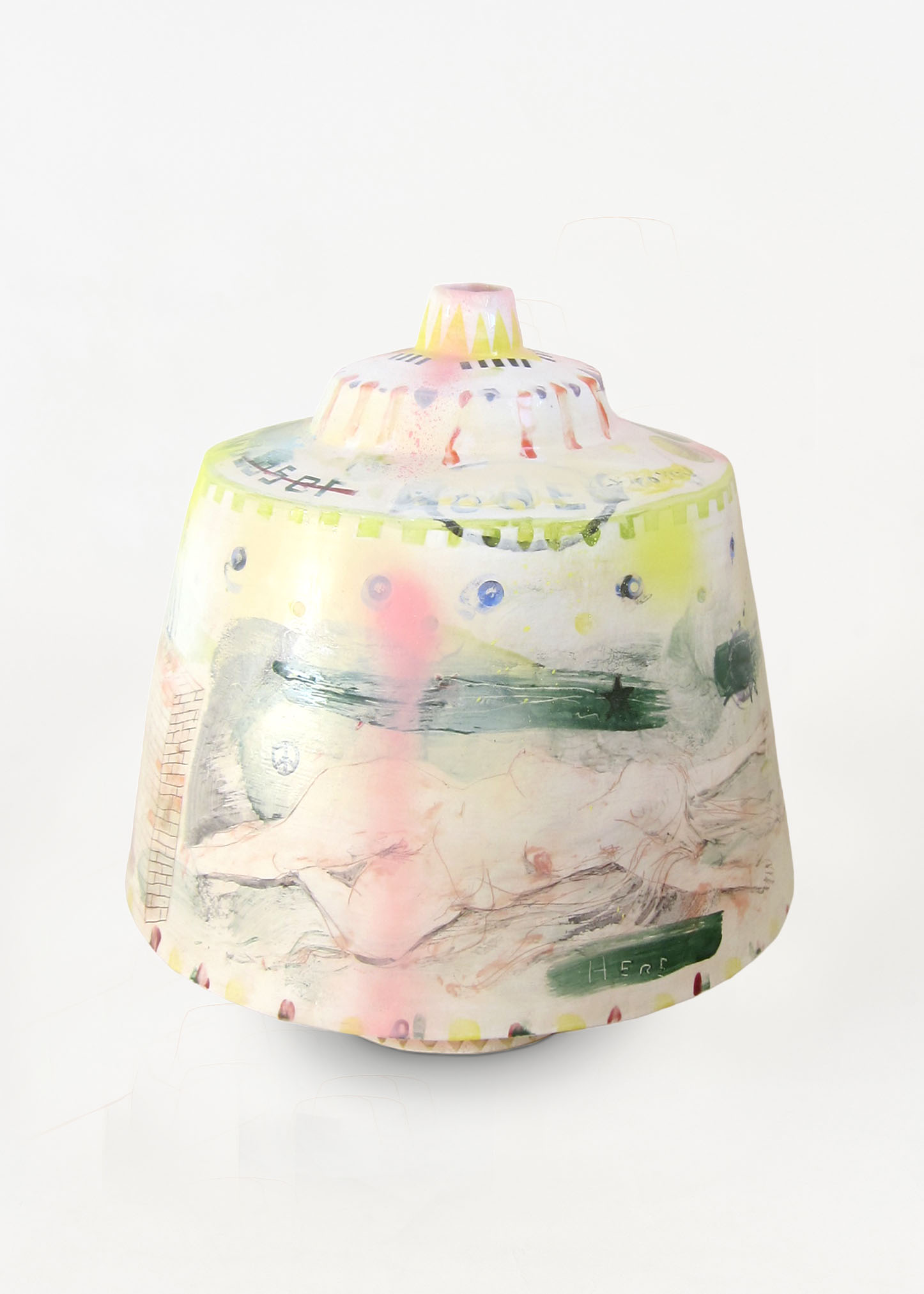
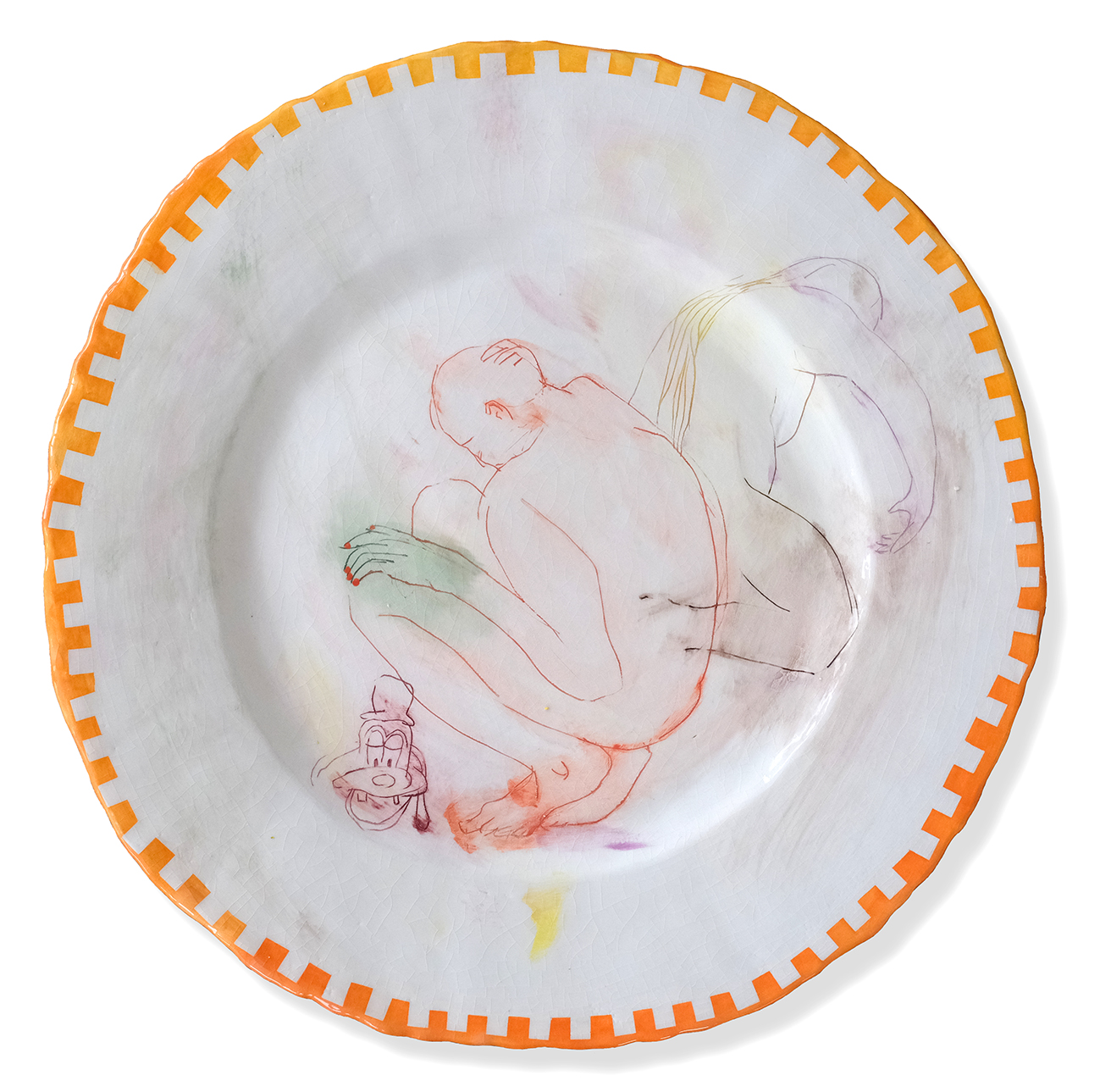
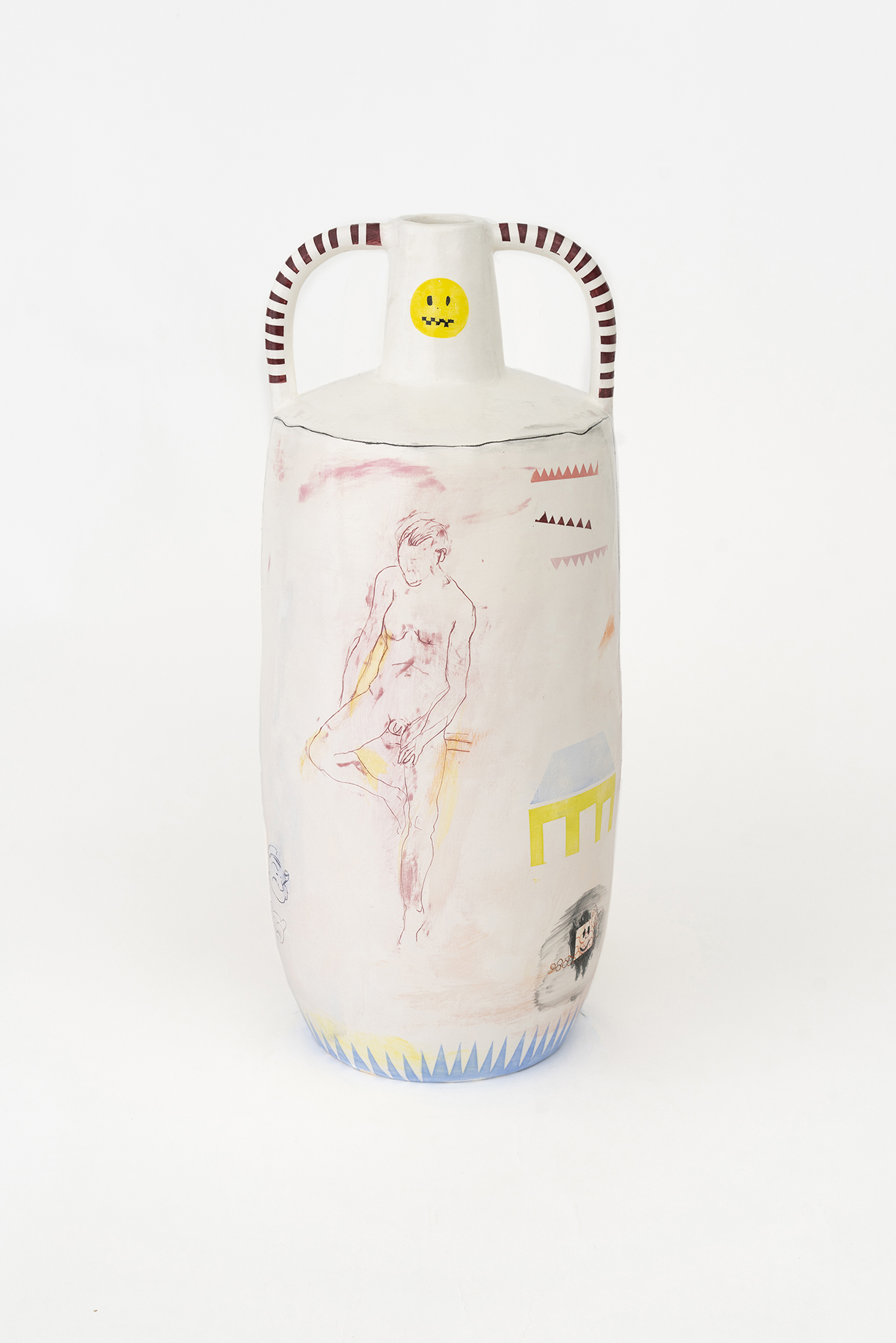
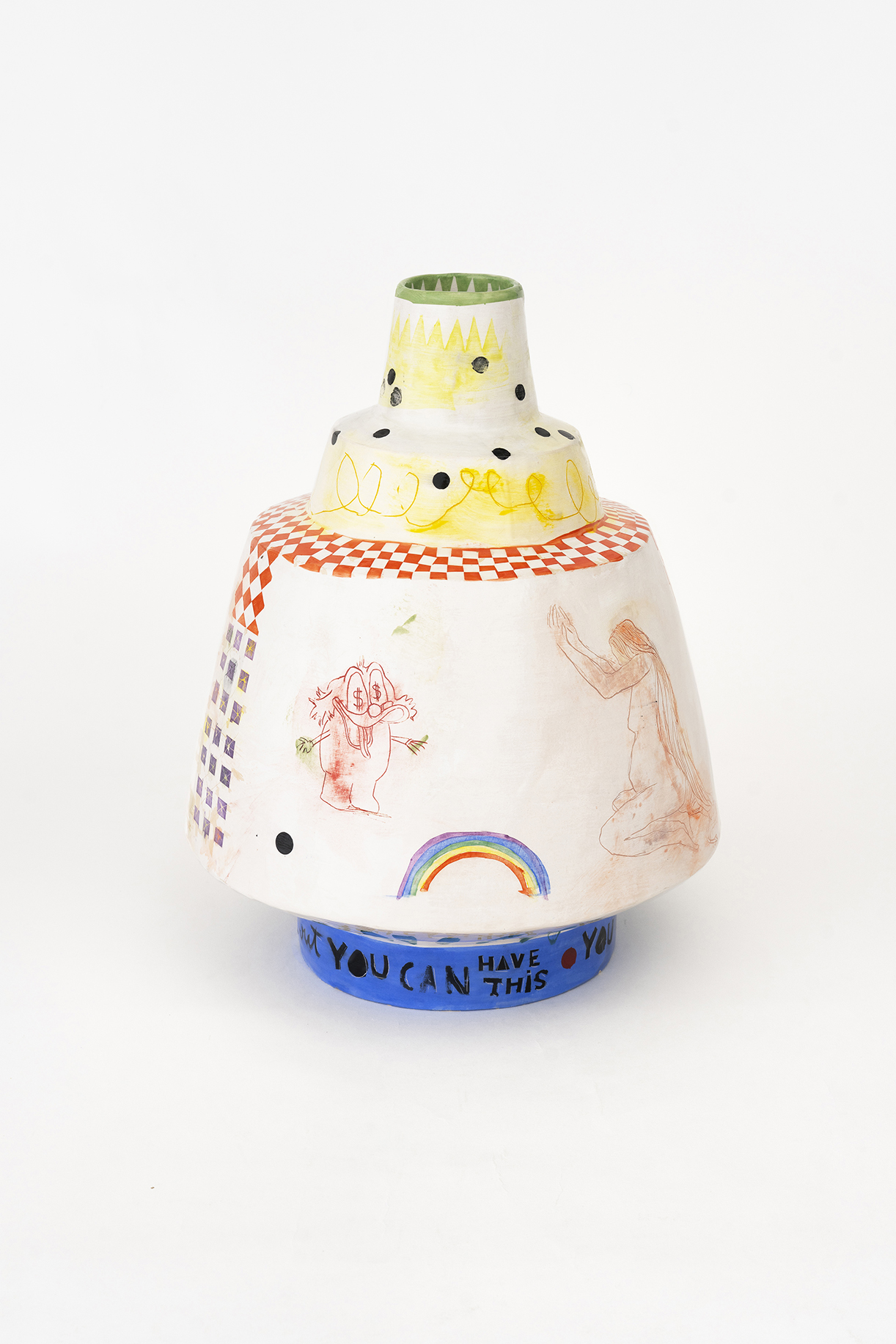
At the centre of HERE NOW is Everywhere ist Überall, a 208-piece, hand-built porcelain dinner service portraying the Safiental in Graubünden. Drawing on conversations with people who live in the valley — as well as those who return to it — the work considers alpine identity as something open and continually redefined, rather than fixed or idealised.
Each plate holds its own composition. Fragments — details, observations, passing remarks — are translated into drawings that often suggest partial or loosely held scenes. Referencing the blue-and-white ceramic tradition, alpine motifs sit alongside everyday objects and pop-cultural references.
This sensibility extends into further ceramic works and onto the walls, where drawn motifs and comments appear throughout the space. In Rogenmoser’s visual language, disparate image worlds meet — light and playful, yet fragile and insistent. Drawing follows impulse, allowing associations to surface and keeping thoughts in suspension and in play.
→ ENQUIRE ABOUT AVAILABLE WORKS
‘EVERYWHERE IST ÜBERALL’
FURTHER WORKS




SECOND NATURE PROJECTS | GIOVANNA LISIGNOLI
INFO@SECONDNATURE.CH +41 797477463
x and oh!
GROUP SHOW
04.12.25 – 27.02.26
FABIO HENDRY
STÉPHANIE BAECHLER
YAN JIANG
ELISSA LACOSTE
MATTEO BAUER BORNEMANN
GUY MELDEM
YVONNE ROGENMOSER
DOUGLAS MANDRY
ZATO
SECOND NATURE PROJECTS
PFINGSTWEIDSTR. 31
8005 ZÜRICH
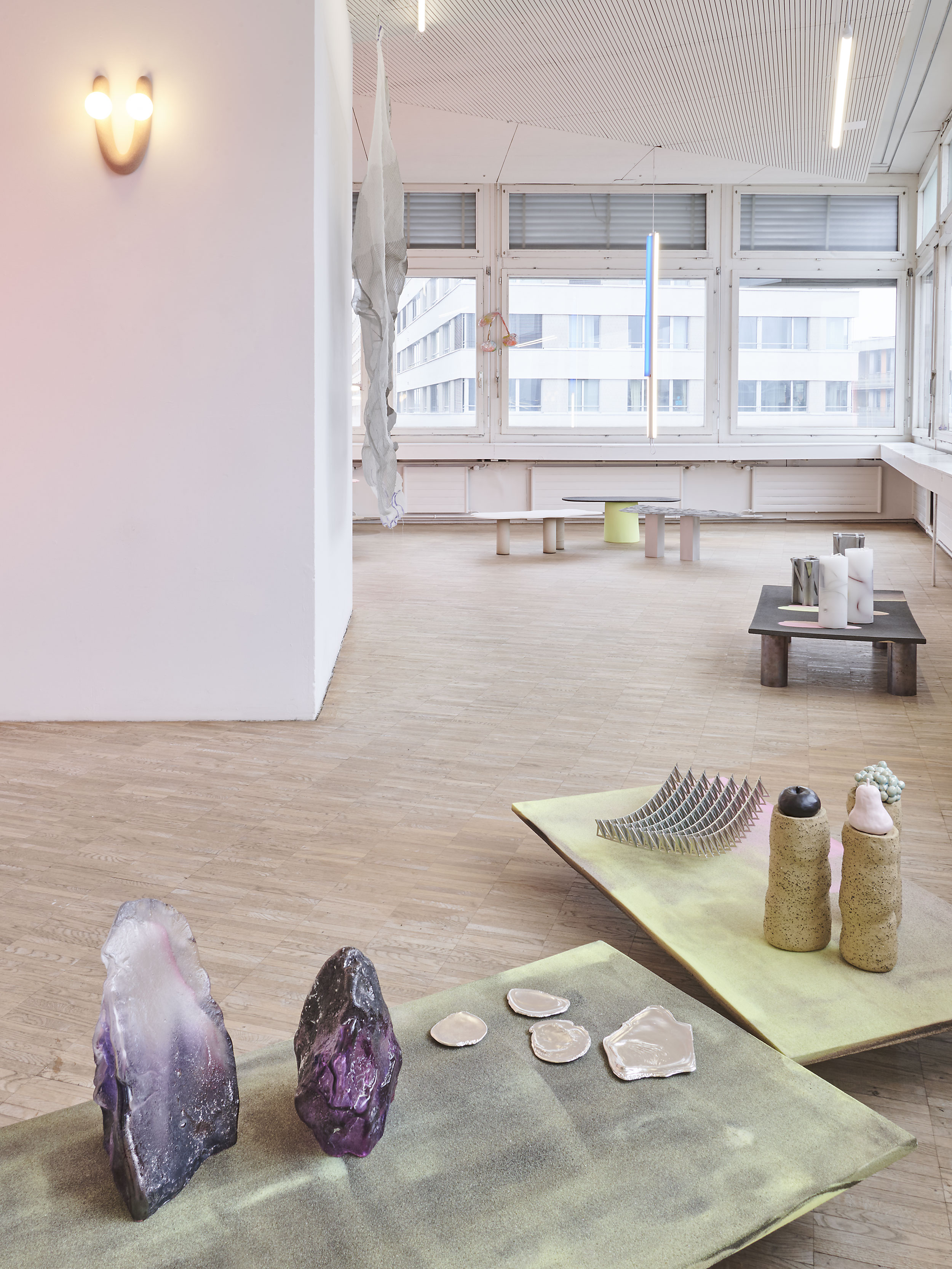
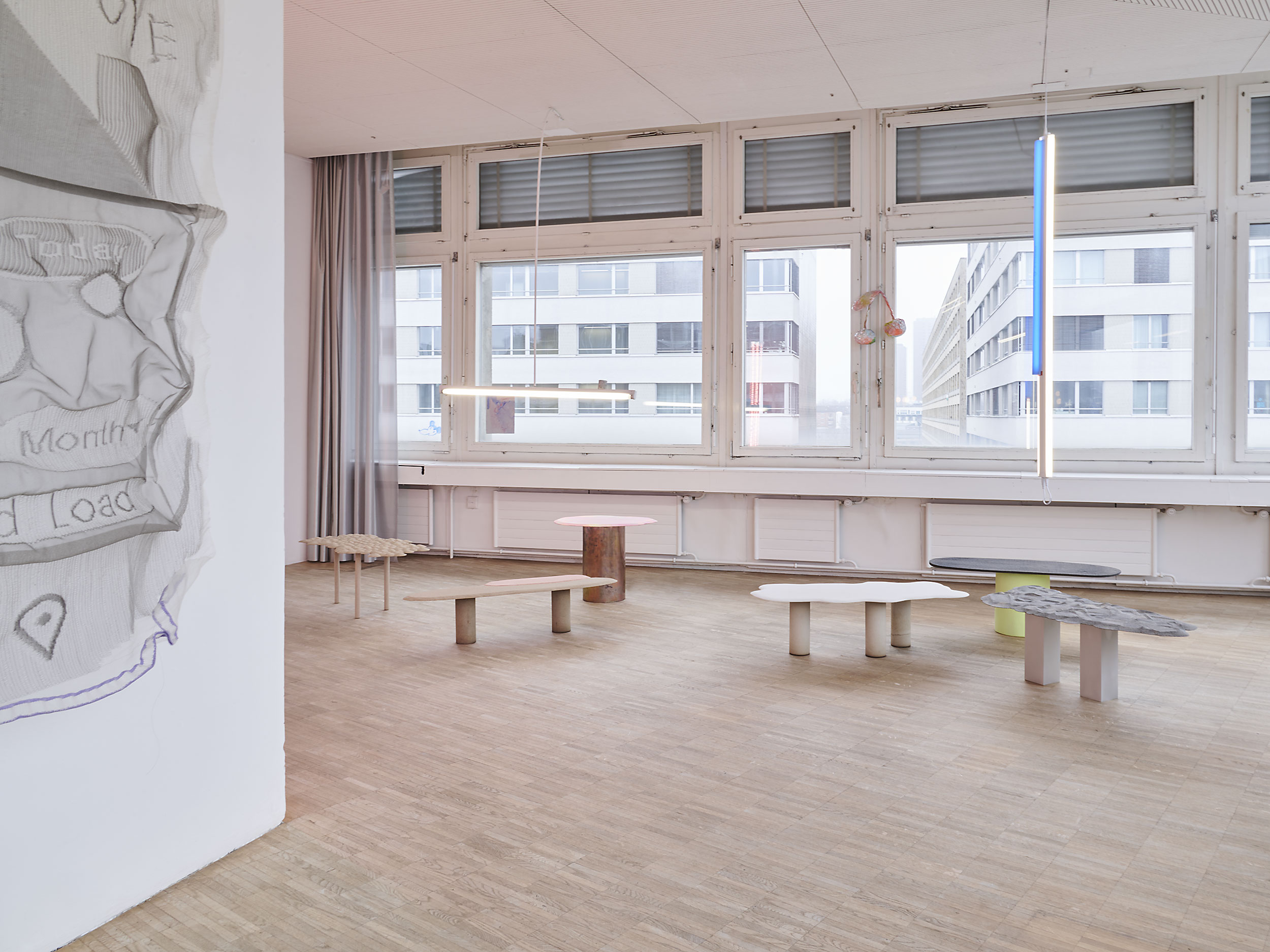
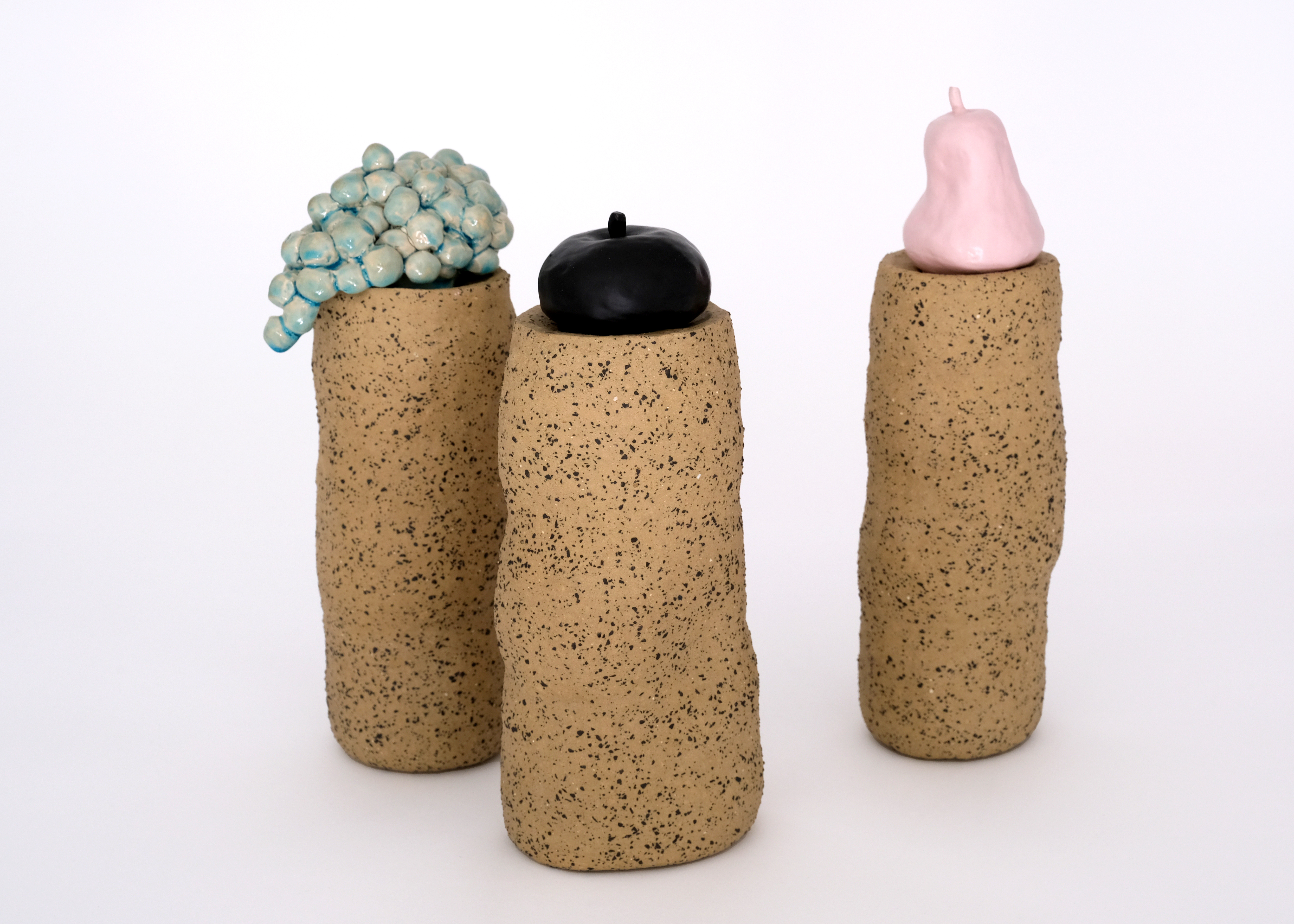
x and oh! brings together works that resist settling.Familiar in outline, they shift just enough in material, surface, or structure to prompt a closer look. The title marks a moment of recalibration, when familiar structures loosen and perception subtly shifts.
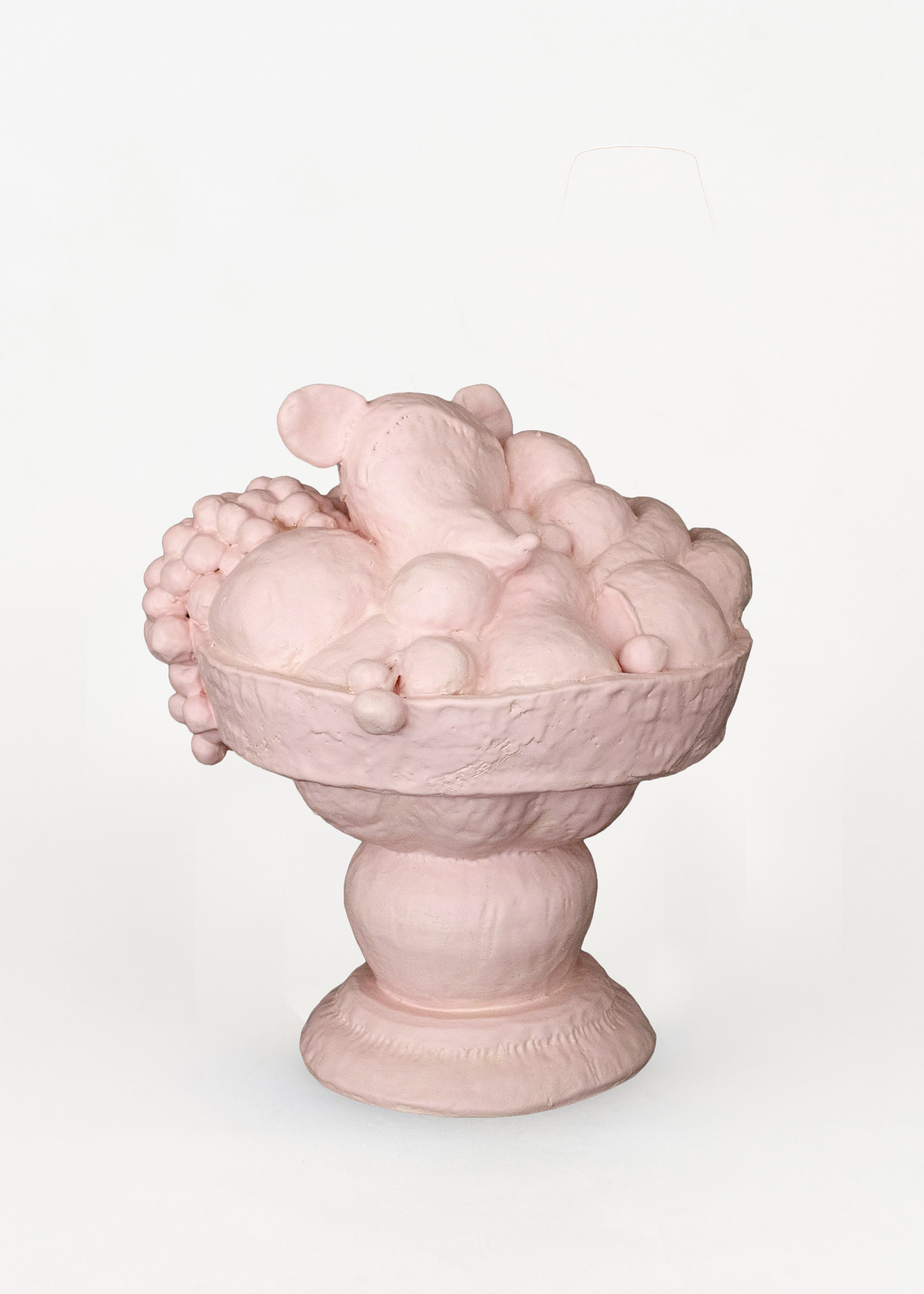
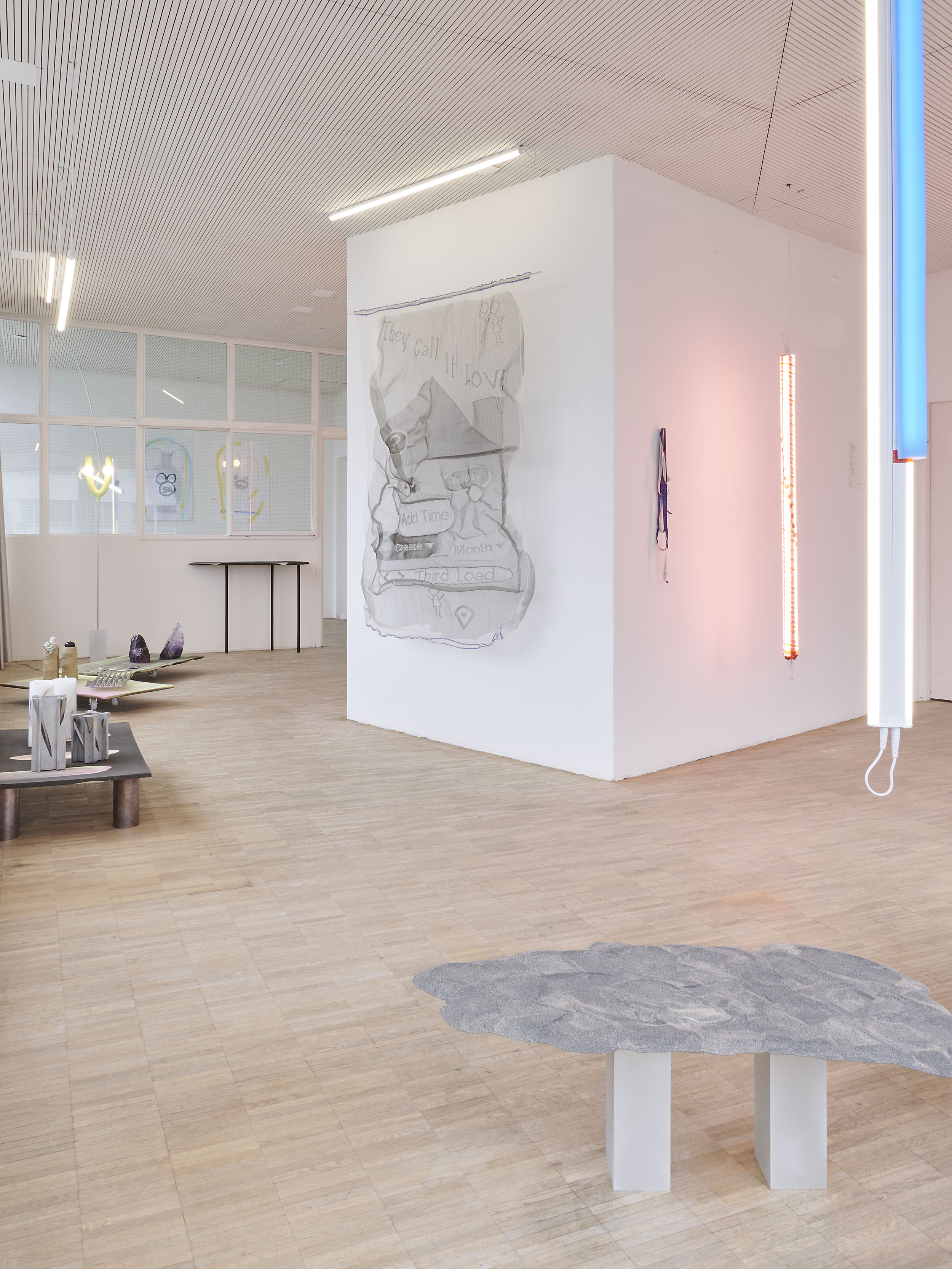
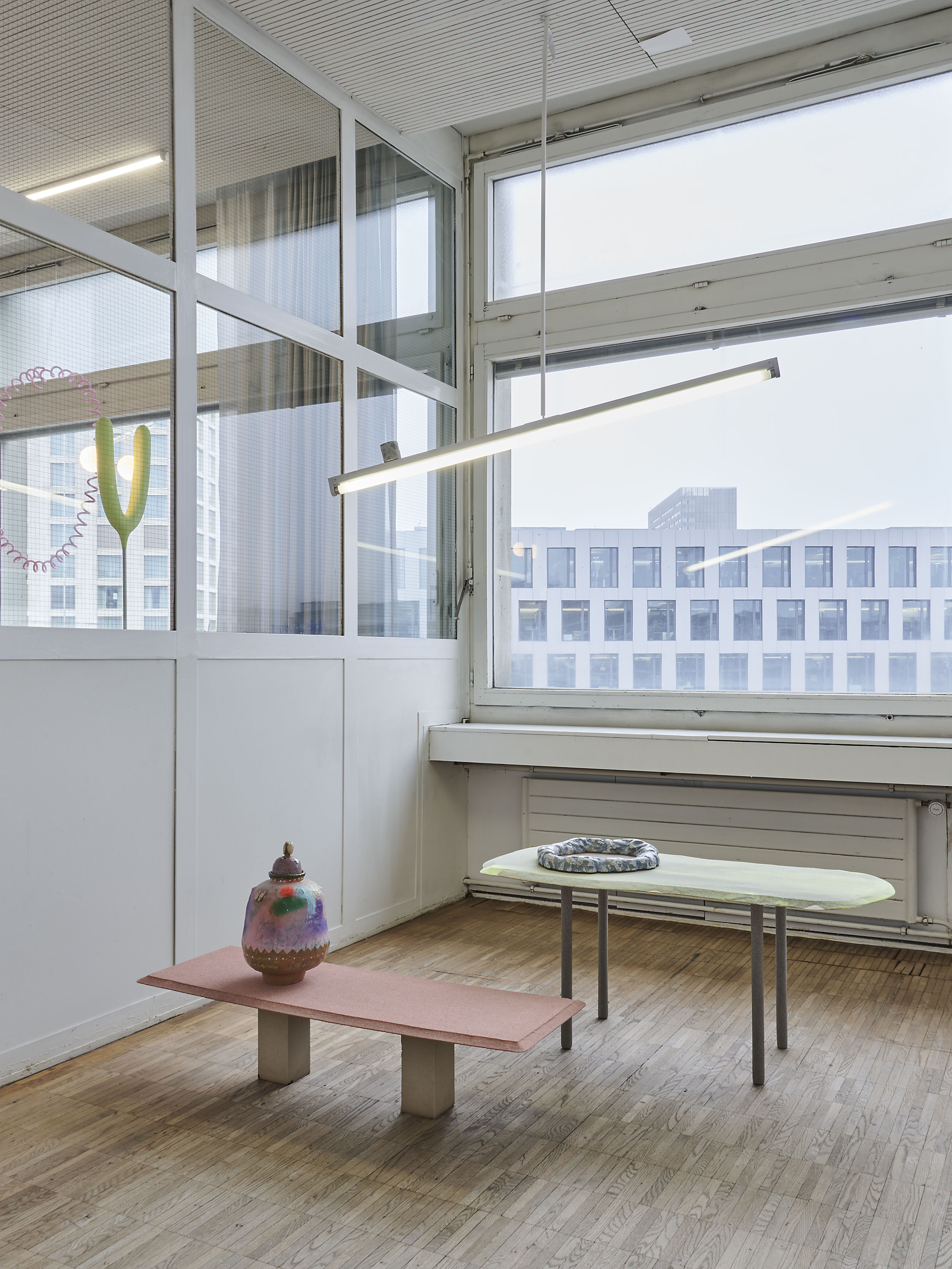
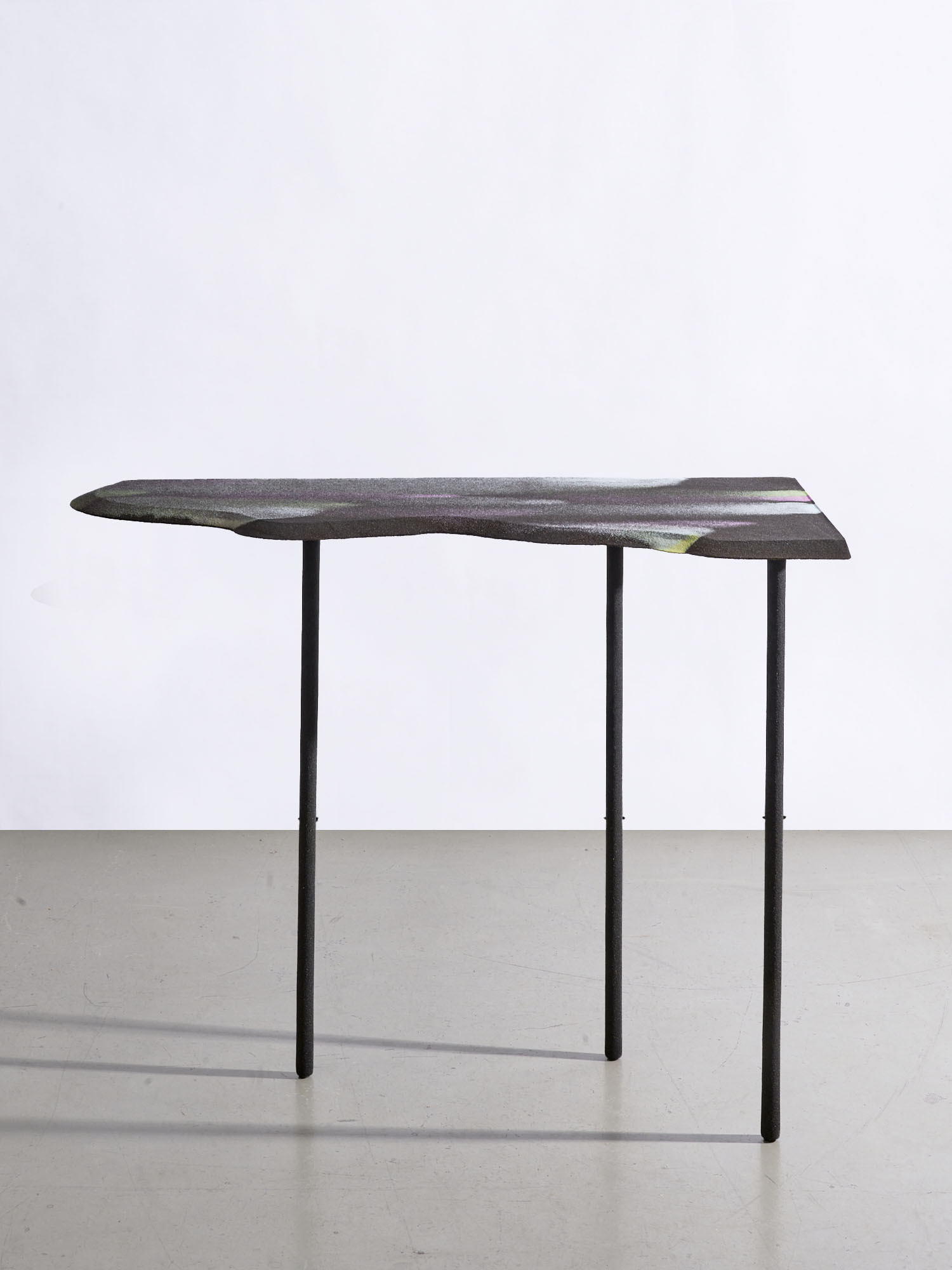
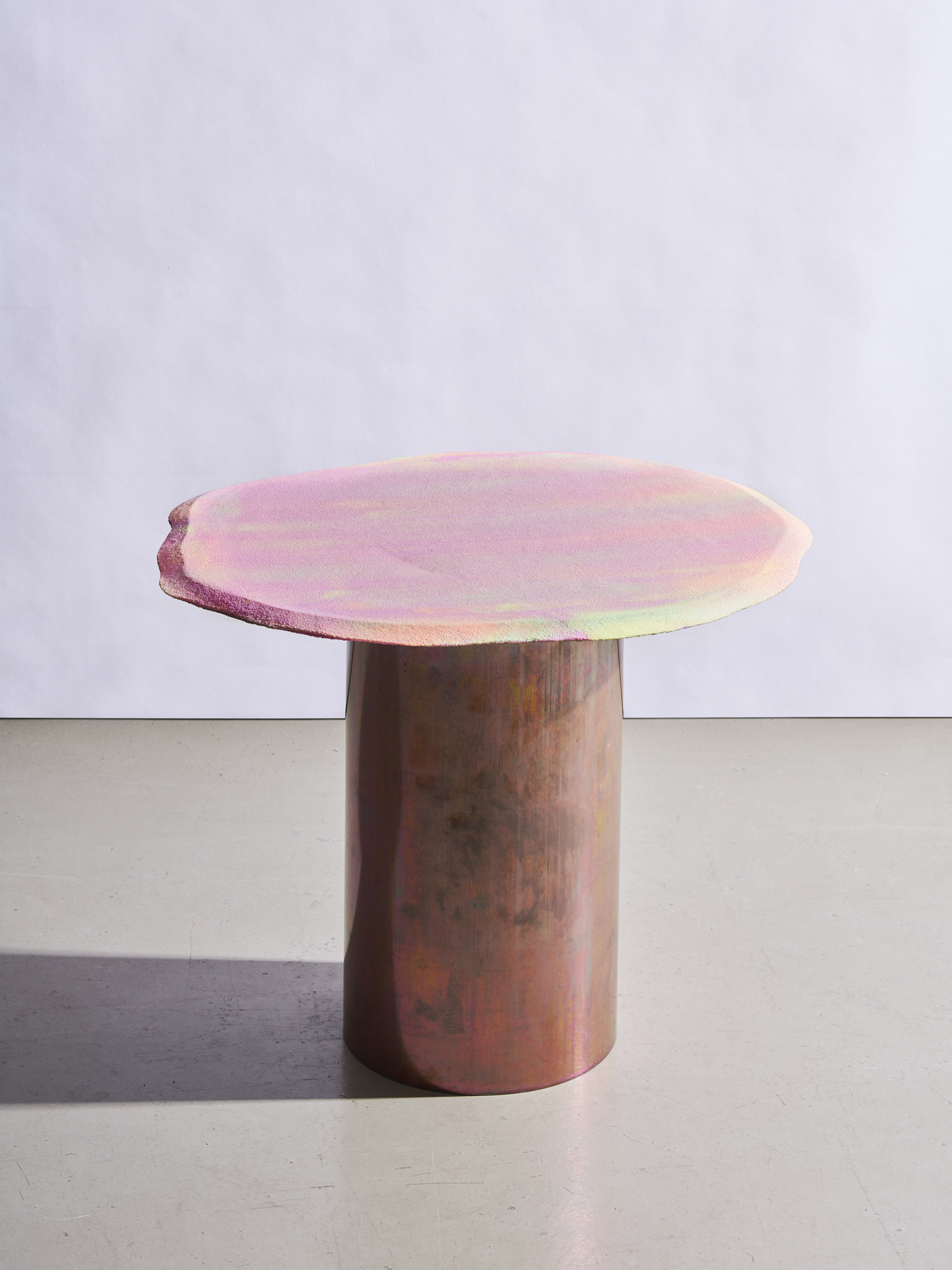
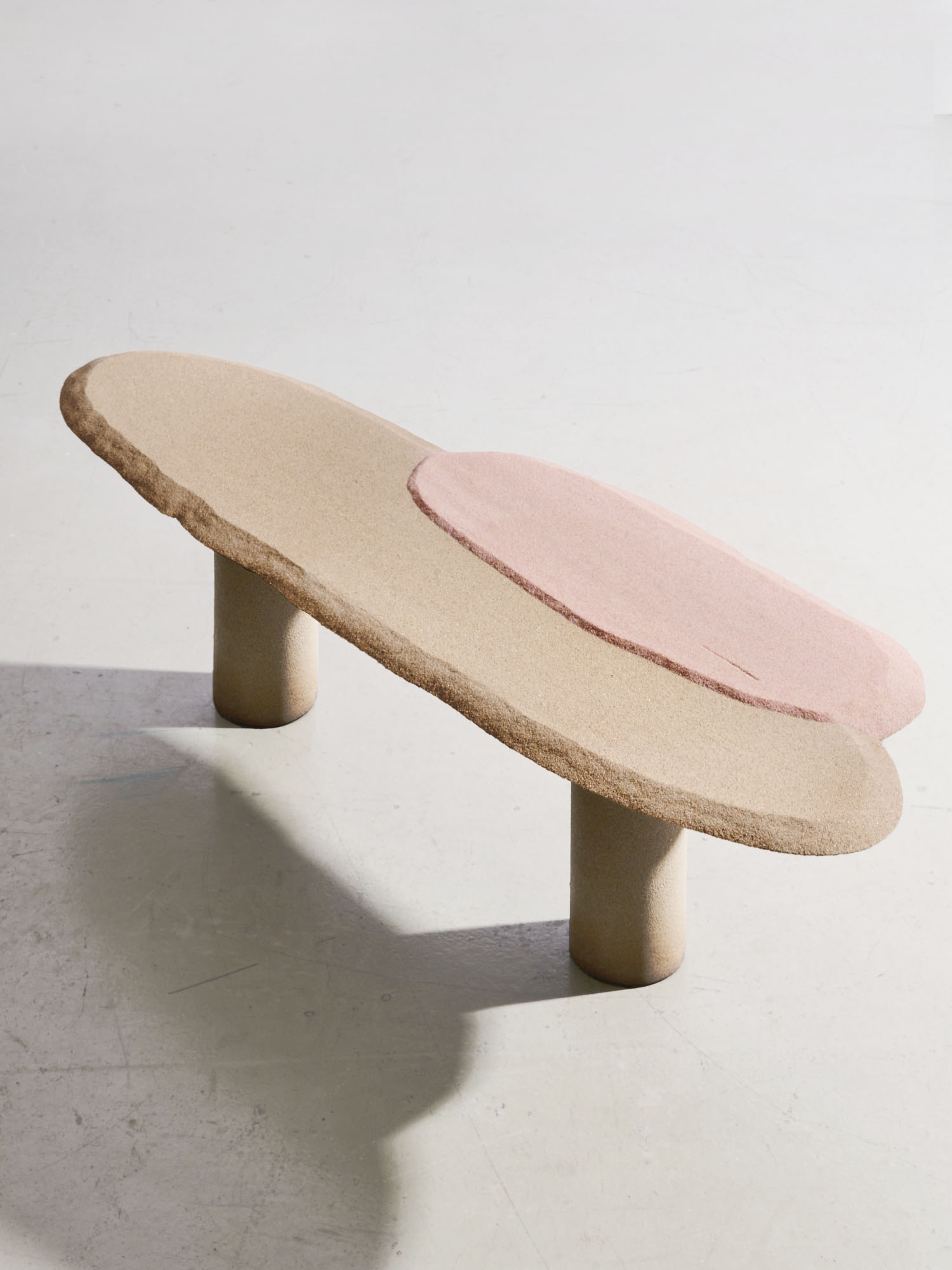
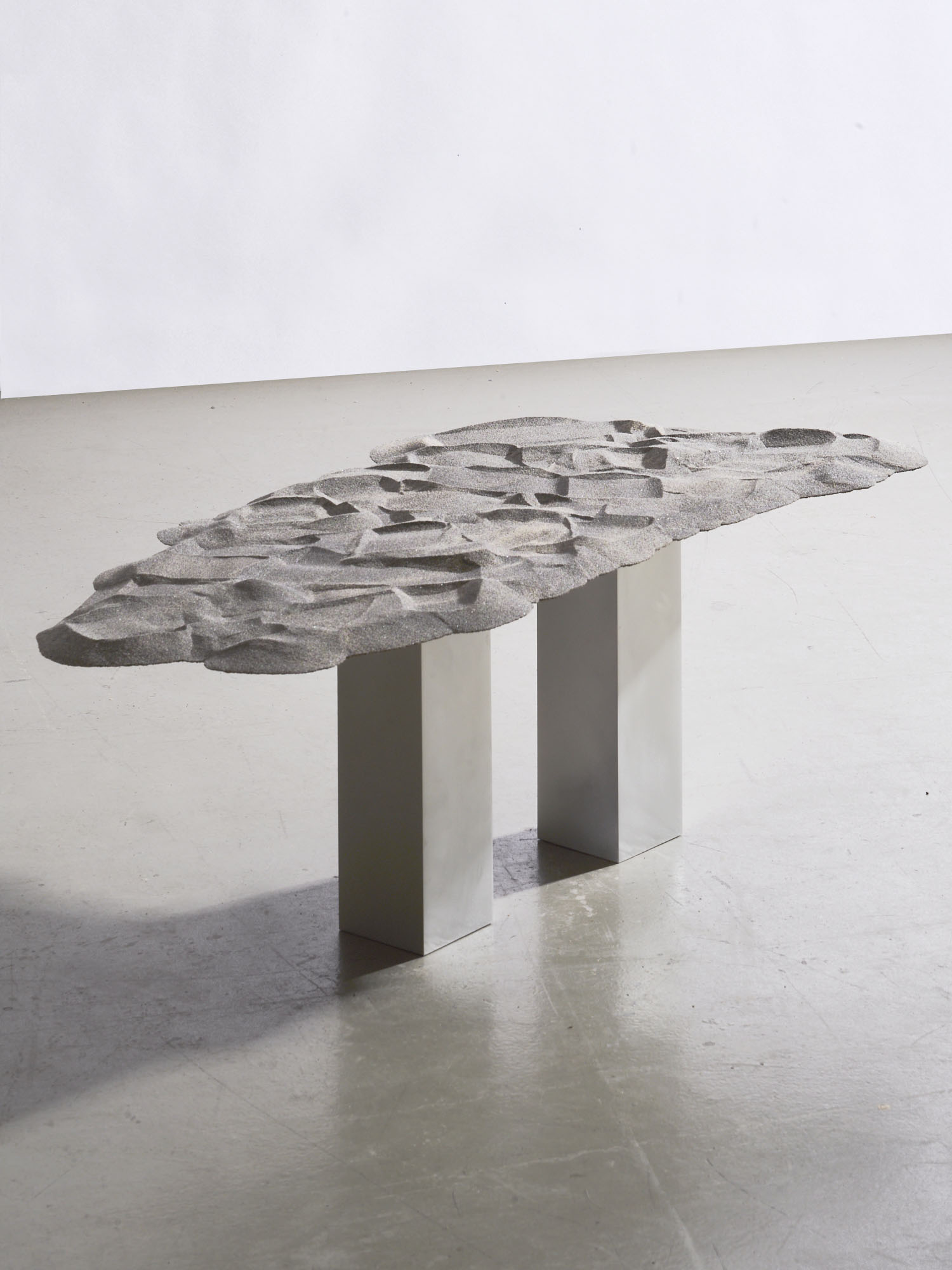
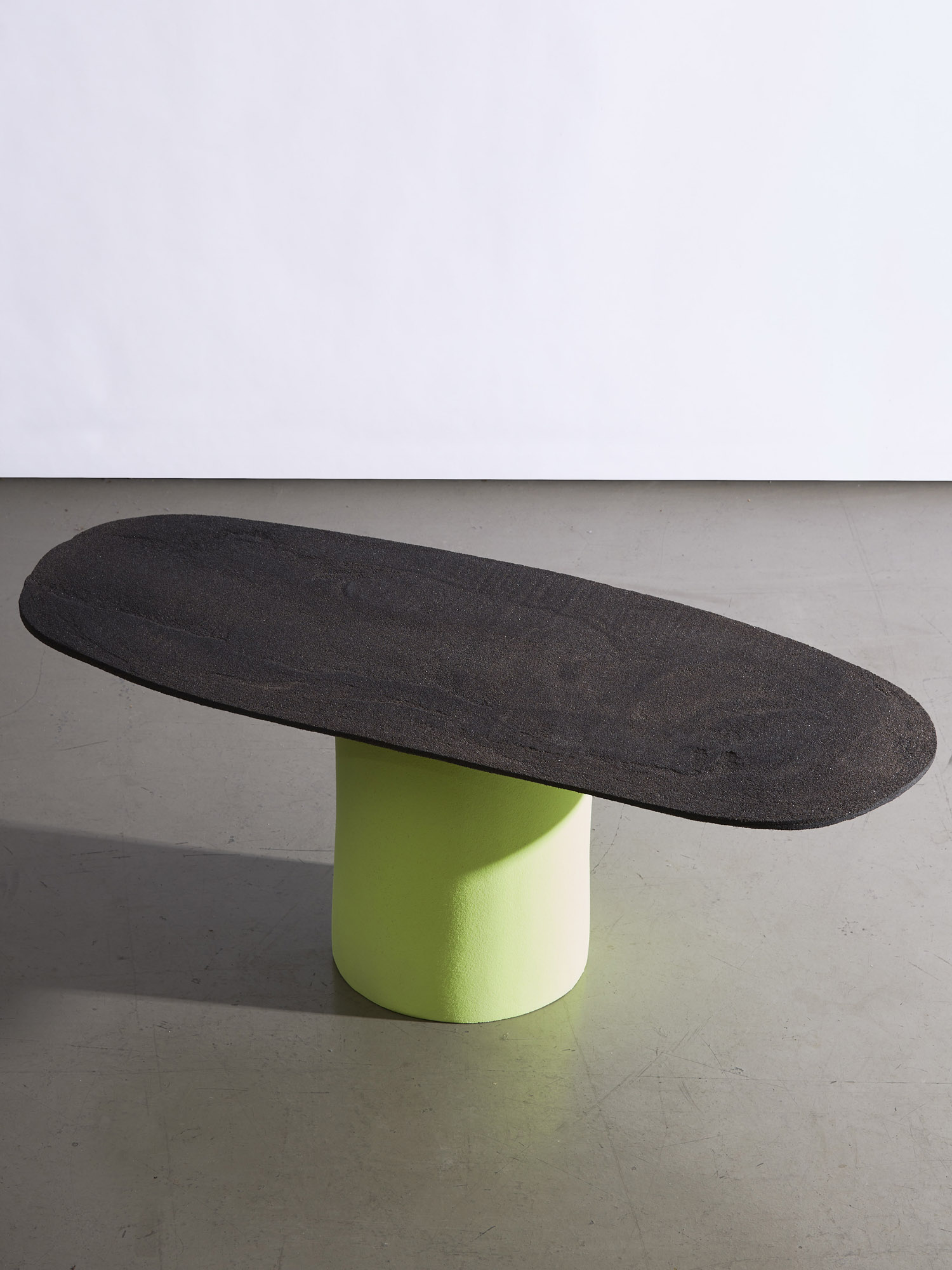
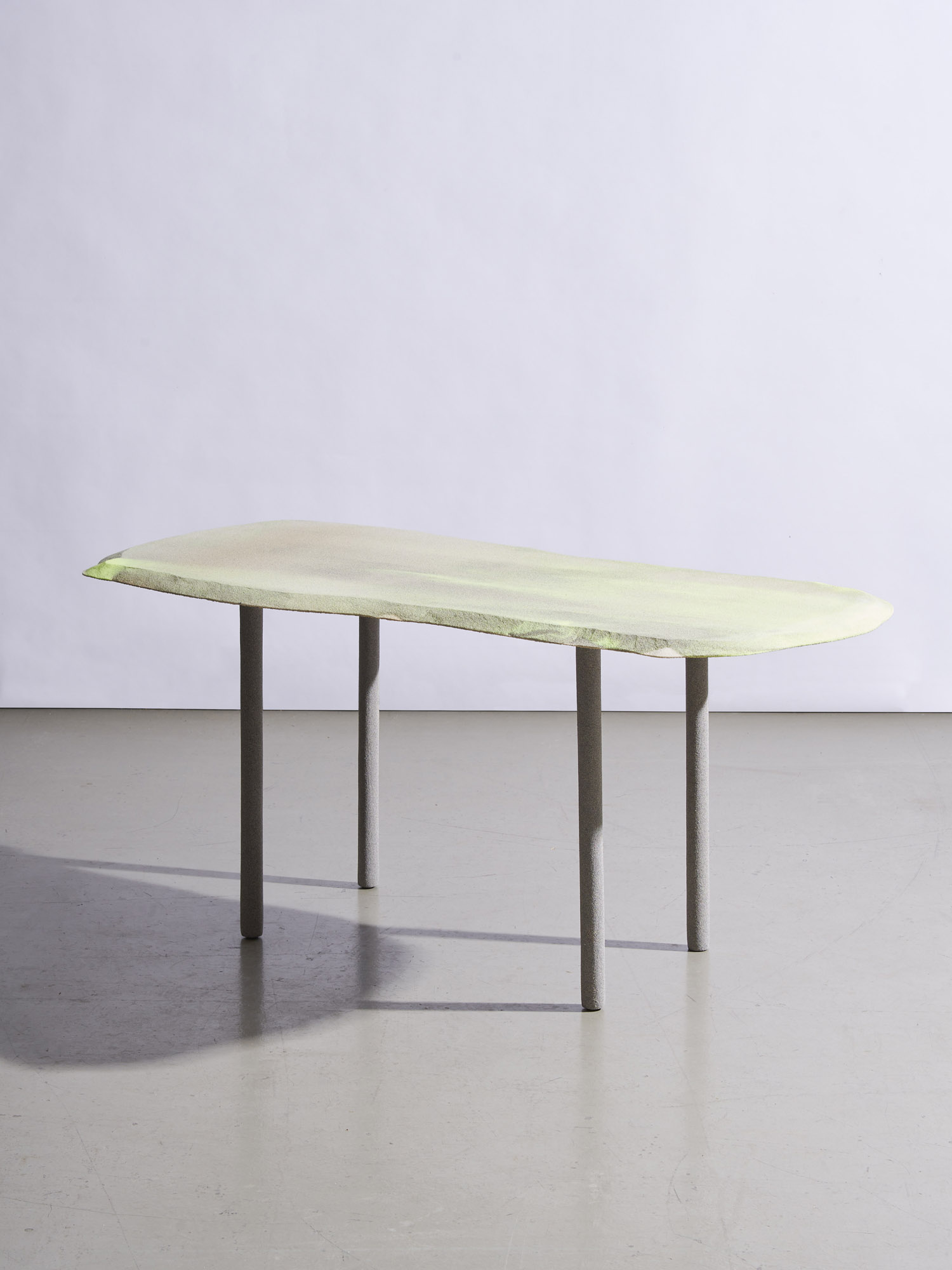
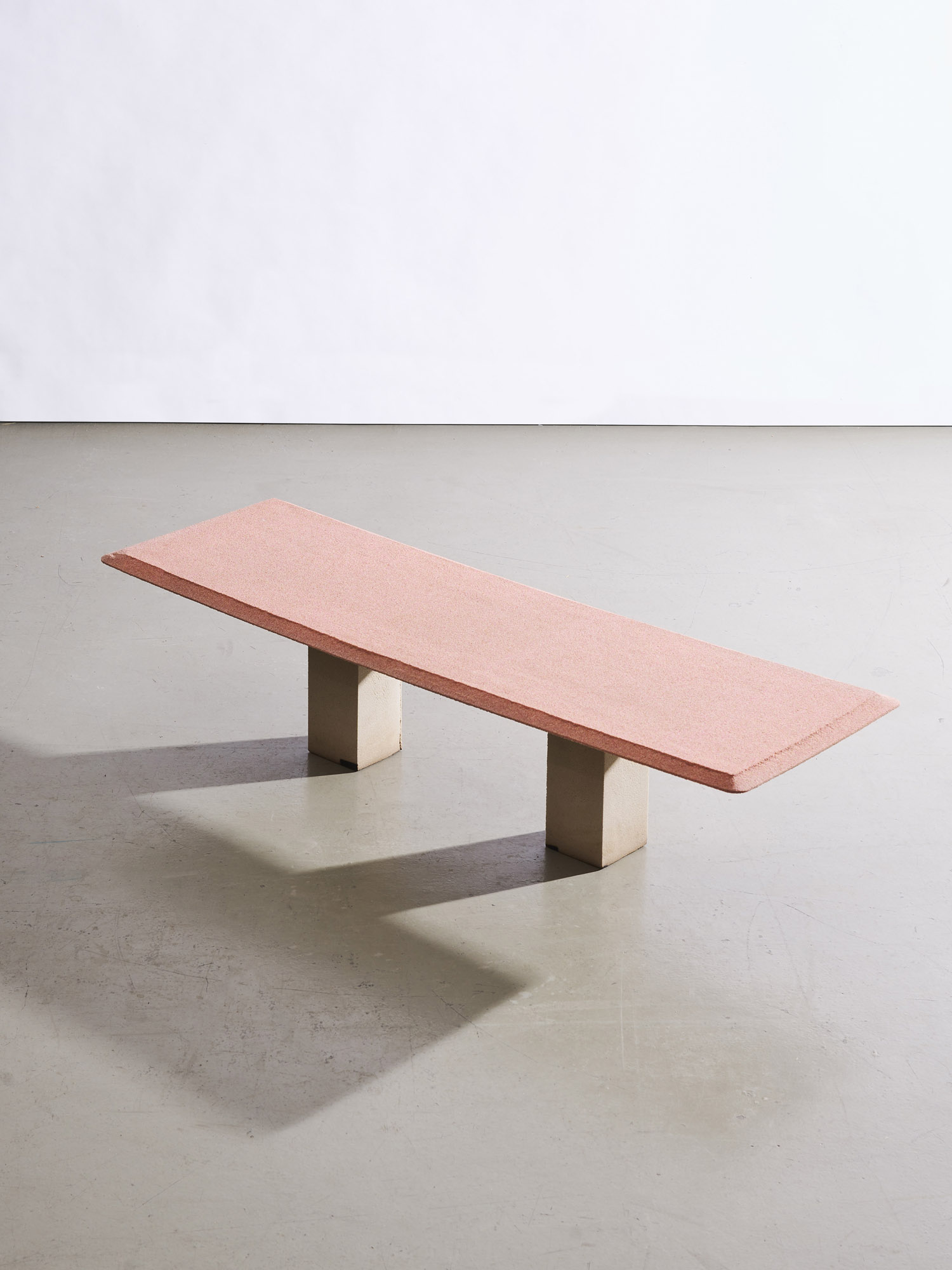
At the centre of the exhibition is Terrain, a material investigation by Fabio Hendry. Using waste polyamide powder from industrial 3D printing combined with natural and coloured sands, the works are formed through heat, gravity, and time. As the material fuses unevenly, surfaces emerge that record compression, collapse, and points of pressure. Presented as sculptural low tables and surface elements, Terrain moves between geological reference and contemporary material processes, establishing a material character that is grounded, precise, and yet open-ended.
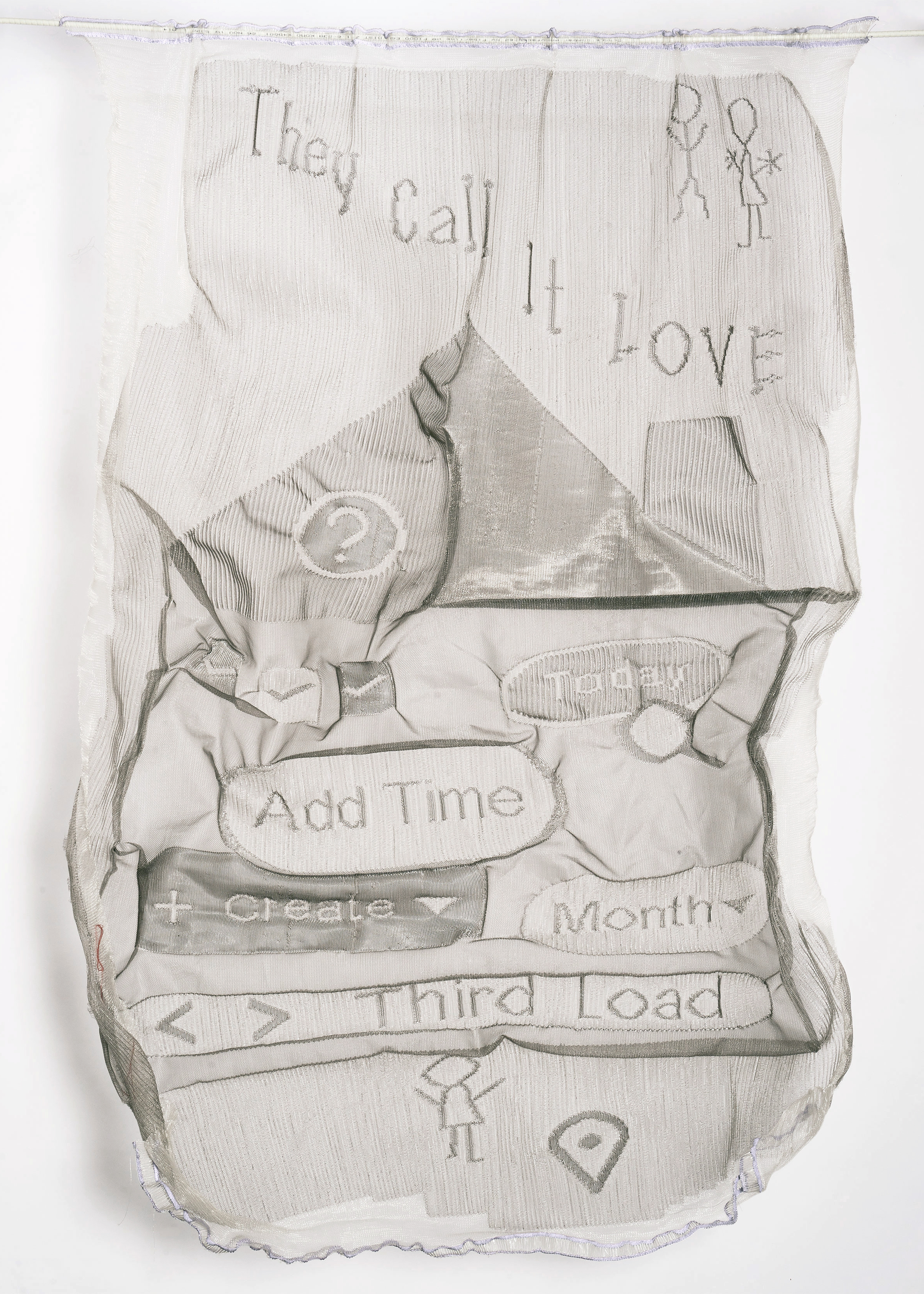
Stéphanie Baechler’s House Calendar stretches and warps time schedules into a large knitted surface. Comments such as They call it love and fragments drawn from digital calendar interfaces embedded in the textile point to forms of care and labour historically associated with female domestic roles, and often rendered invisible. Separate from this work, embroidered poetry ribbons appear as long textbearing bands, gathered and hanging as a sculptural piece.
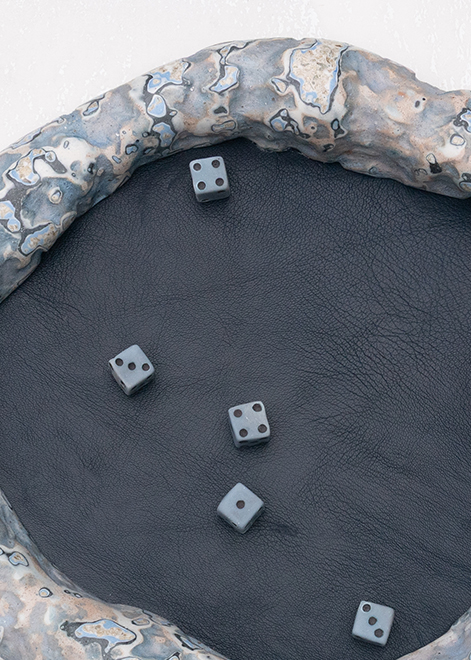
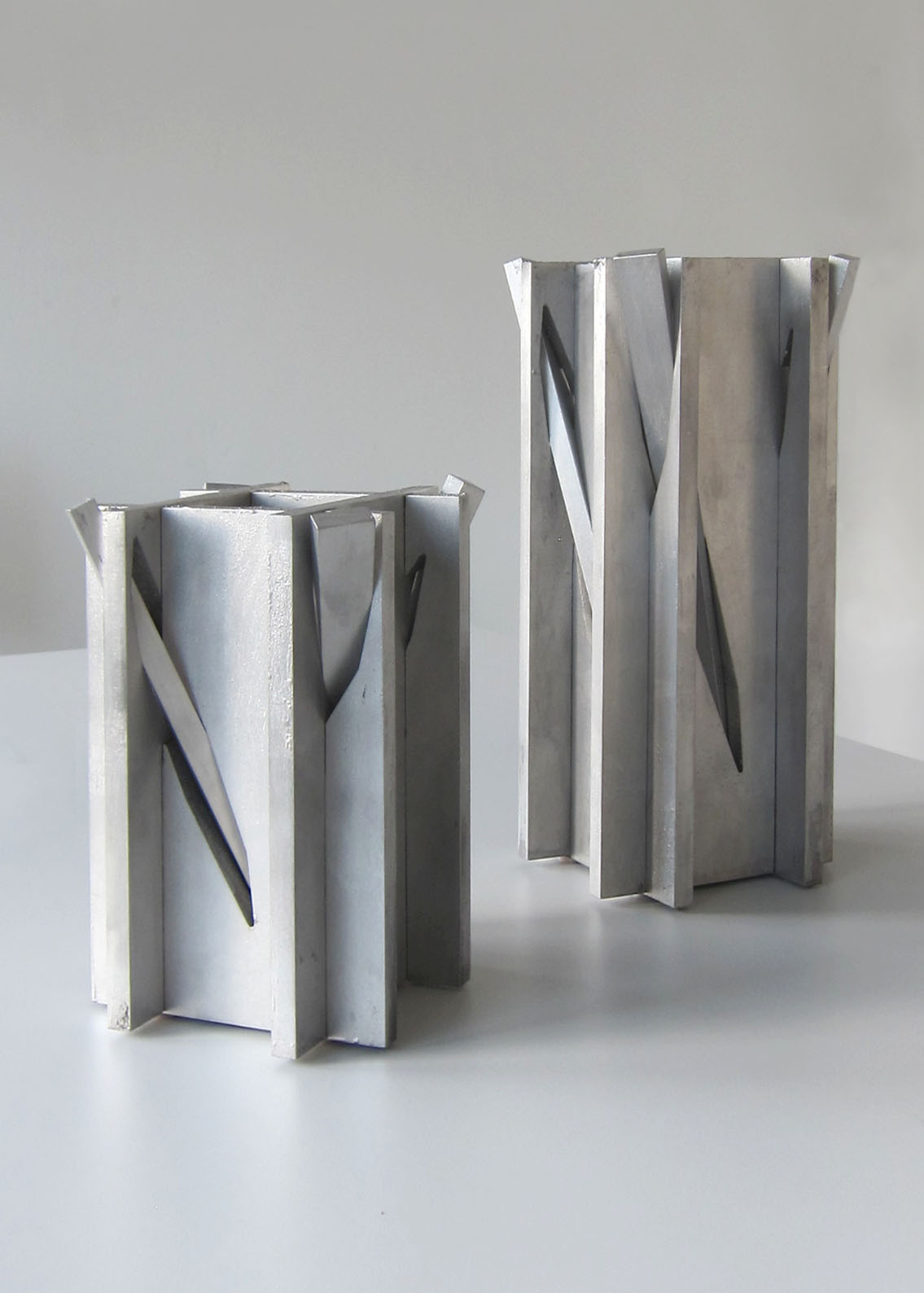
Elsewhere in the exhibition, material shifts continue along different routes. Yan Jiang translates jewellery techniques into rhodium-plated brass plates, their polished surfaces highlighting ripples and irregular edges. Elissa Lacoste combines recycled leather with sculpted vermiculite rims in dice trays that recall lichen formations, paired with hand-made glass dice. Matteo Bauer Bornemann’s matt-galvanised steel vessels balance strict geometry and weight against moments of instability and fracture.
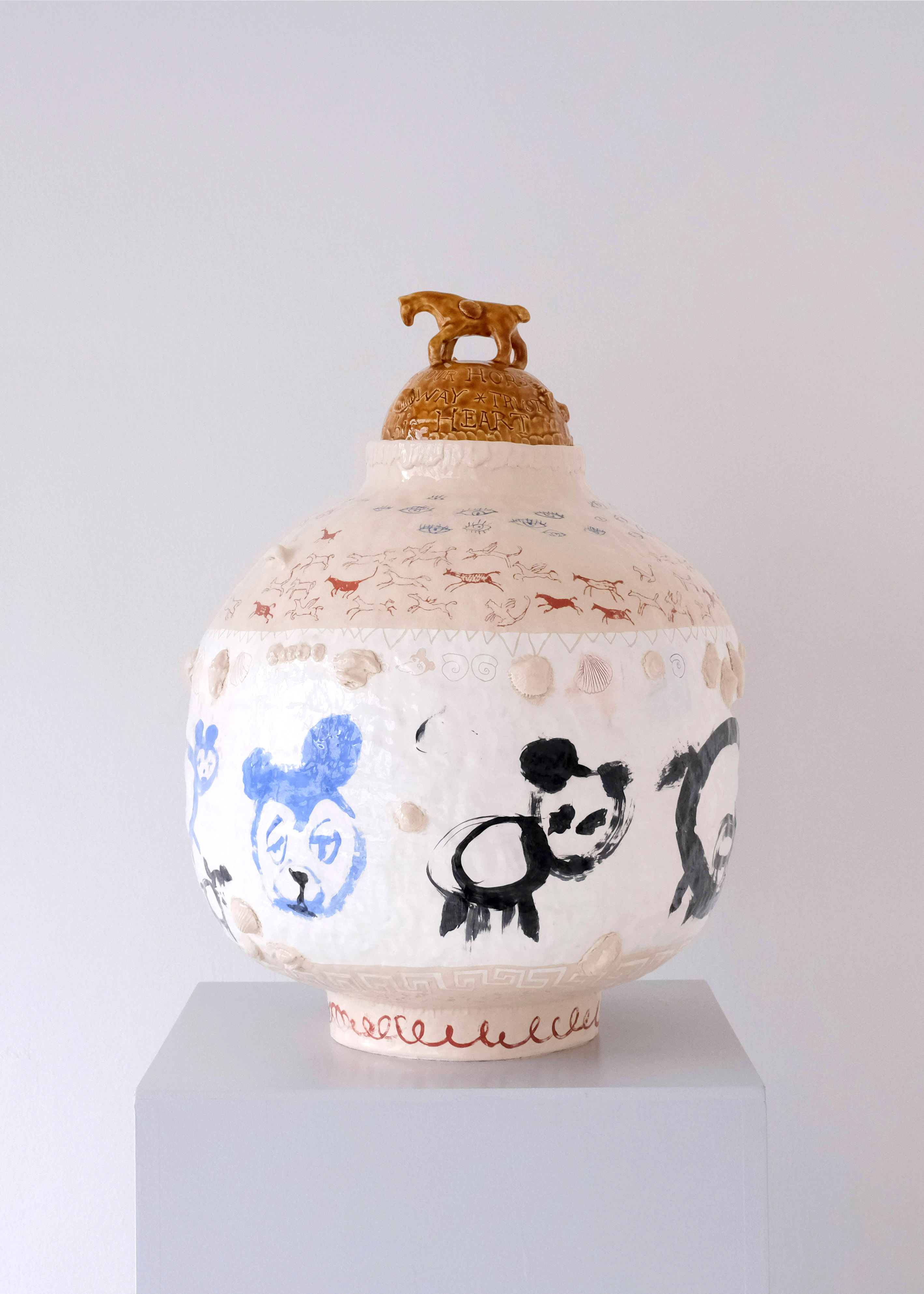
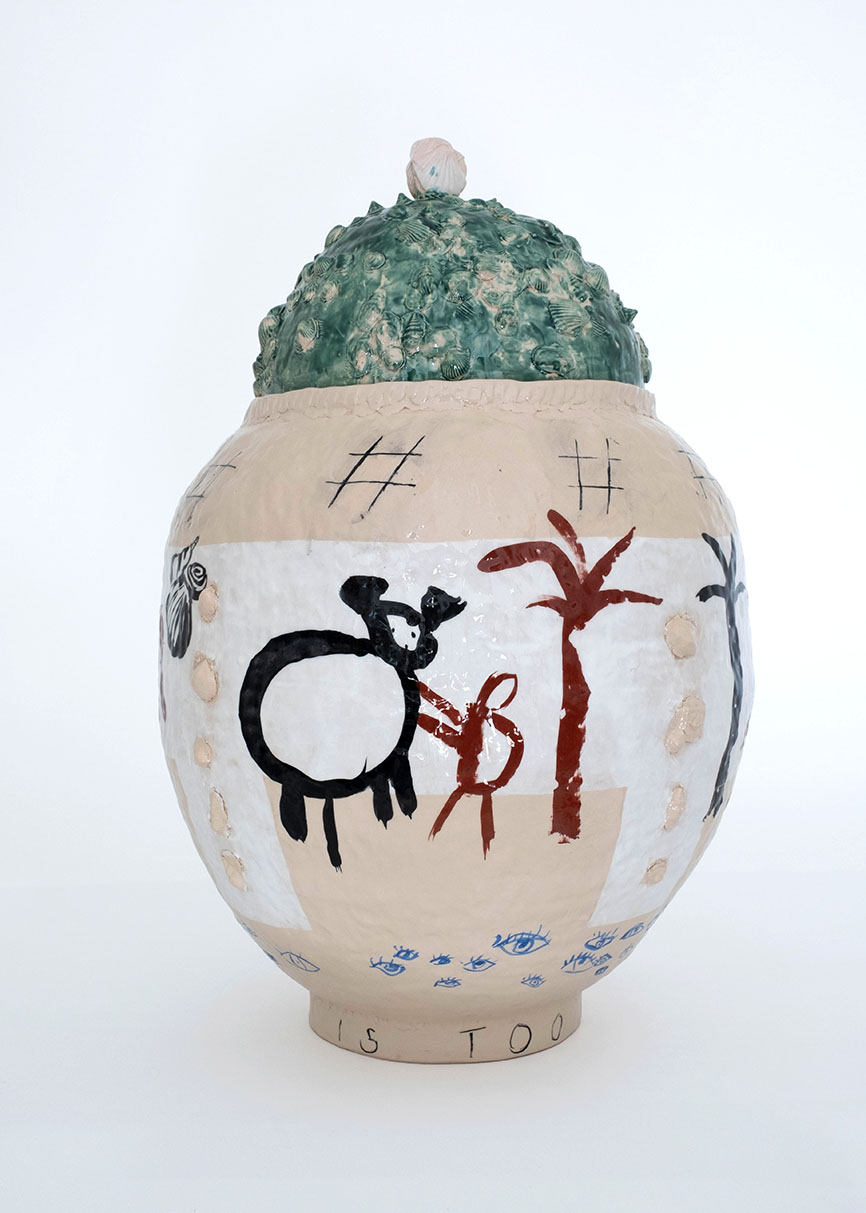
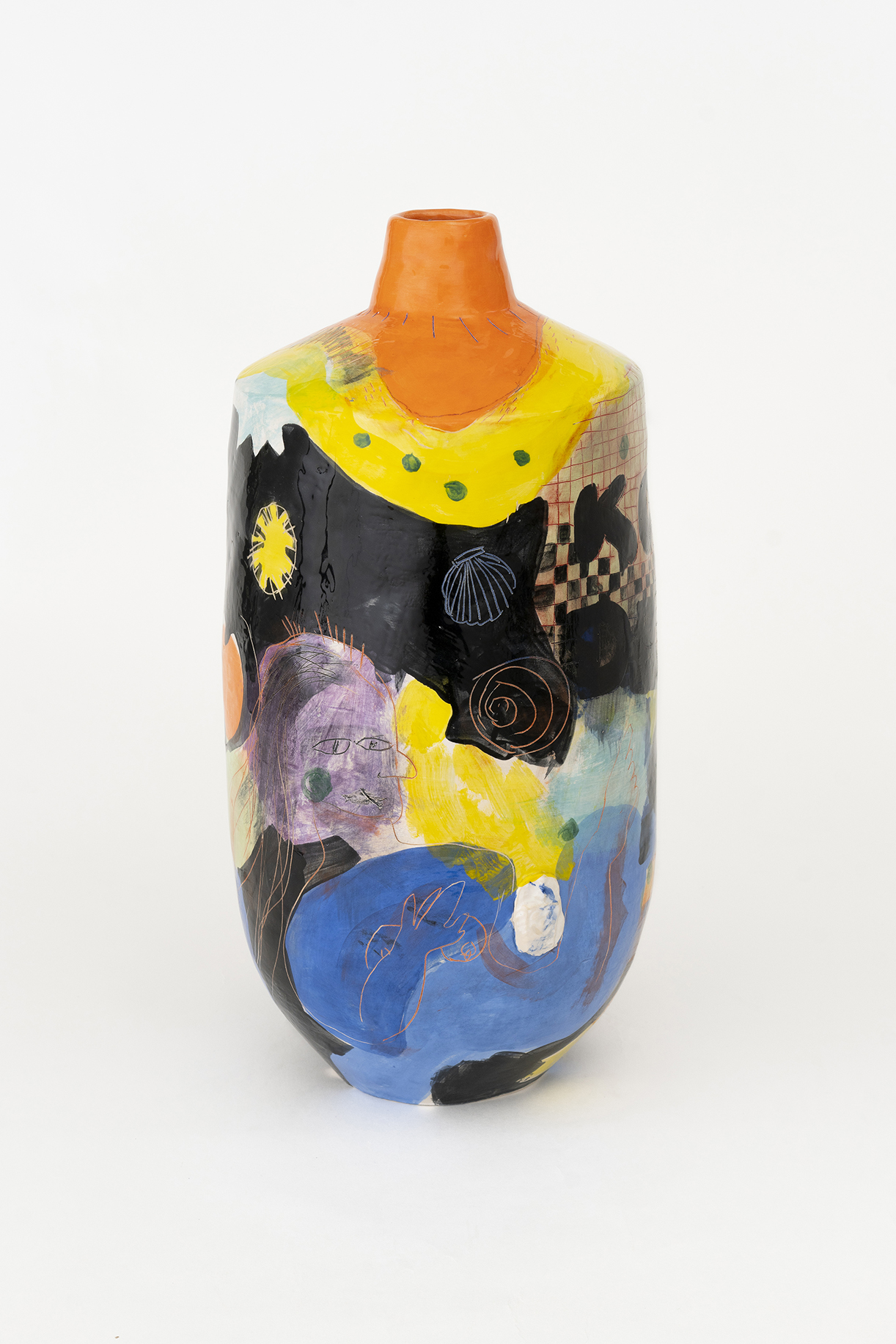
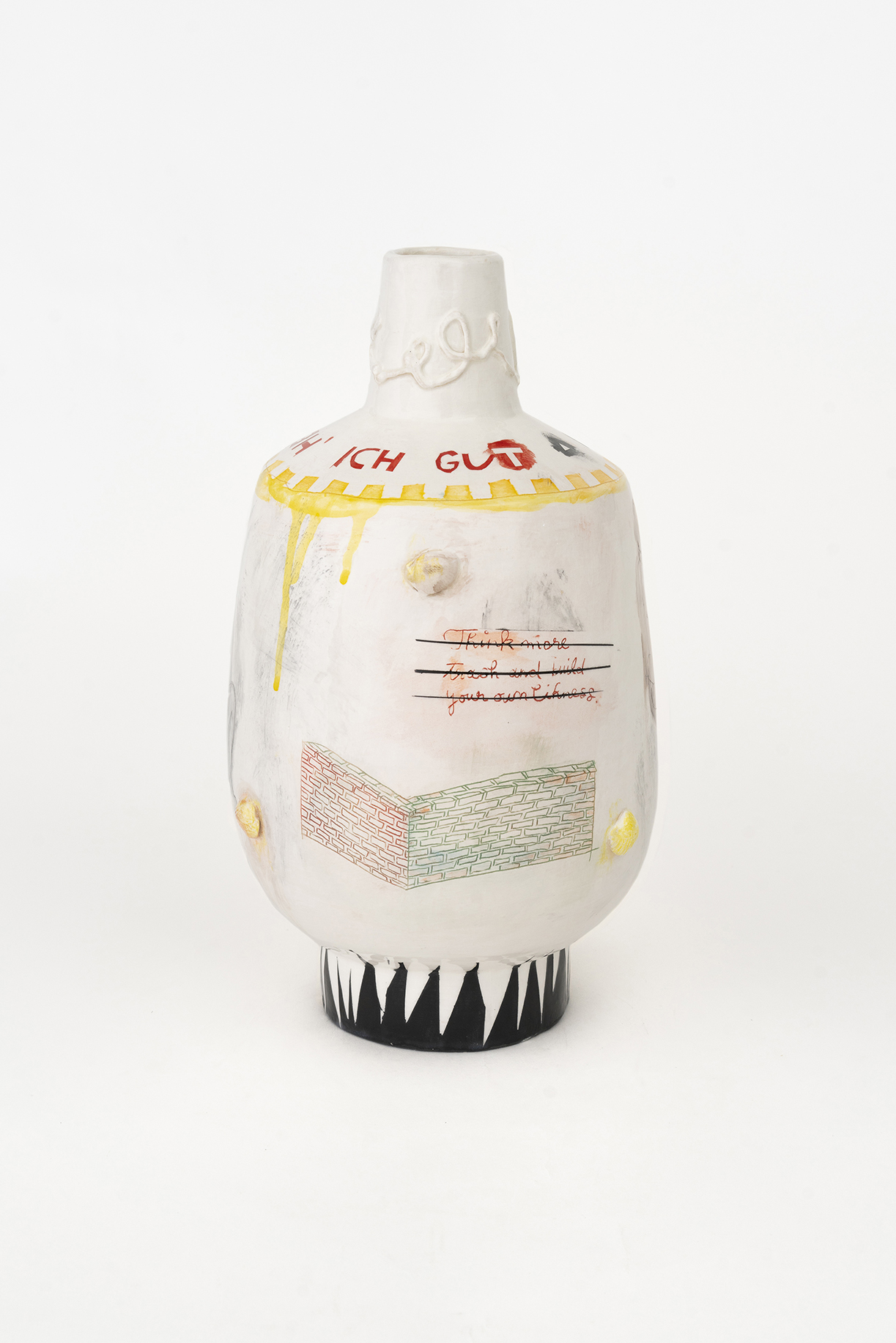
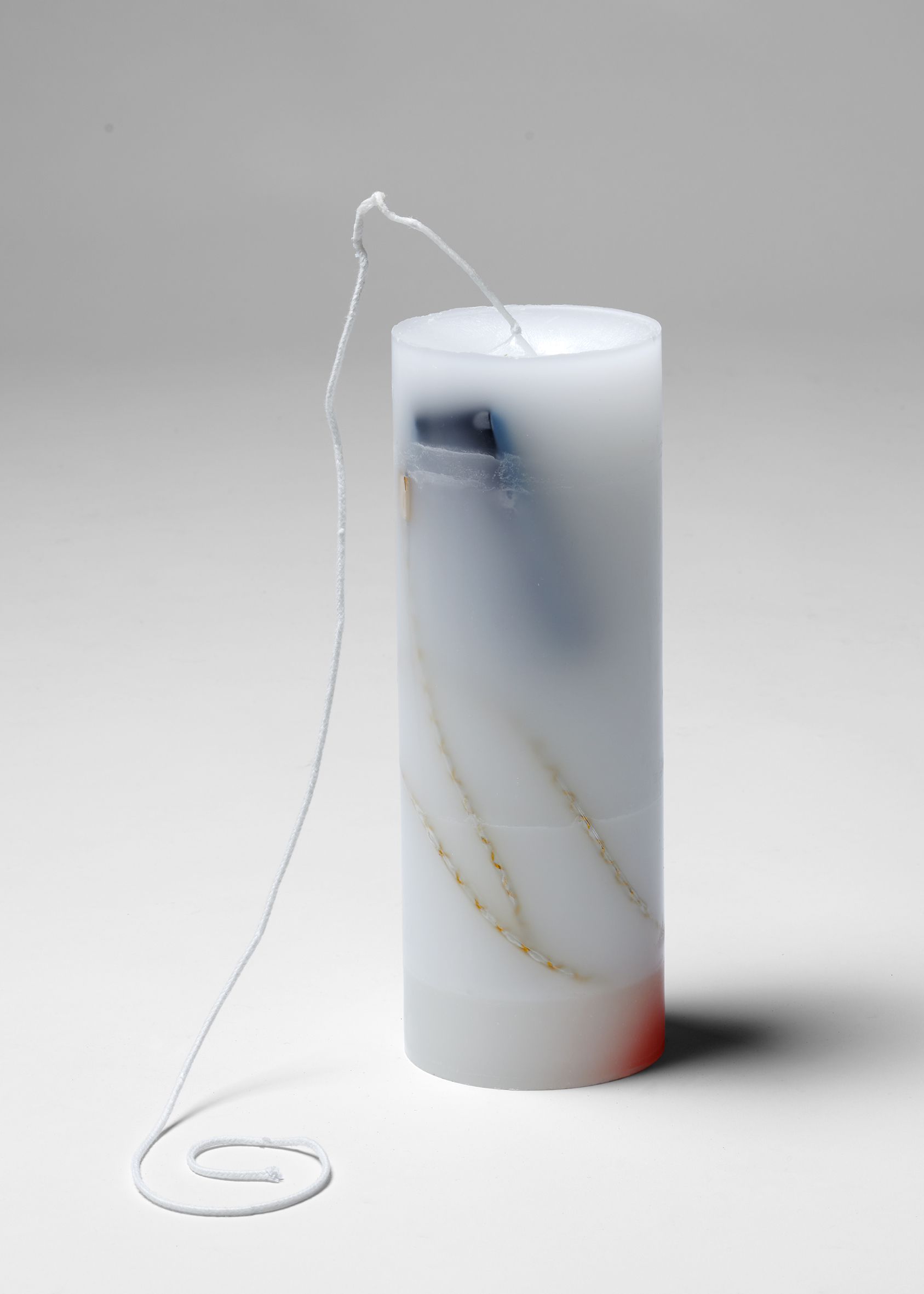
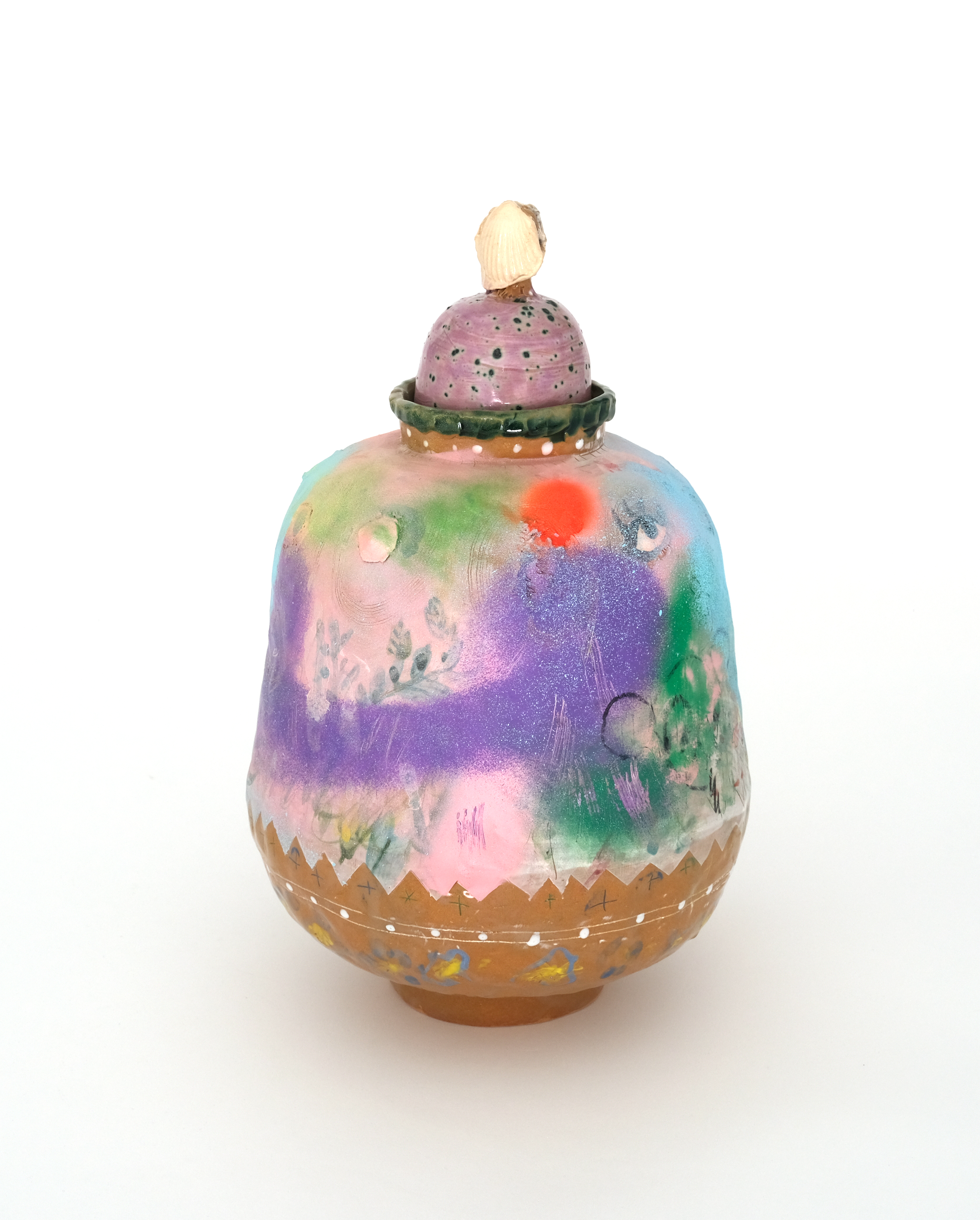
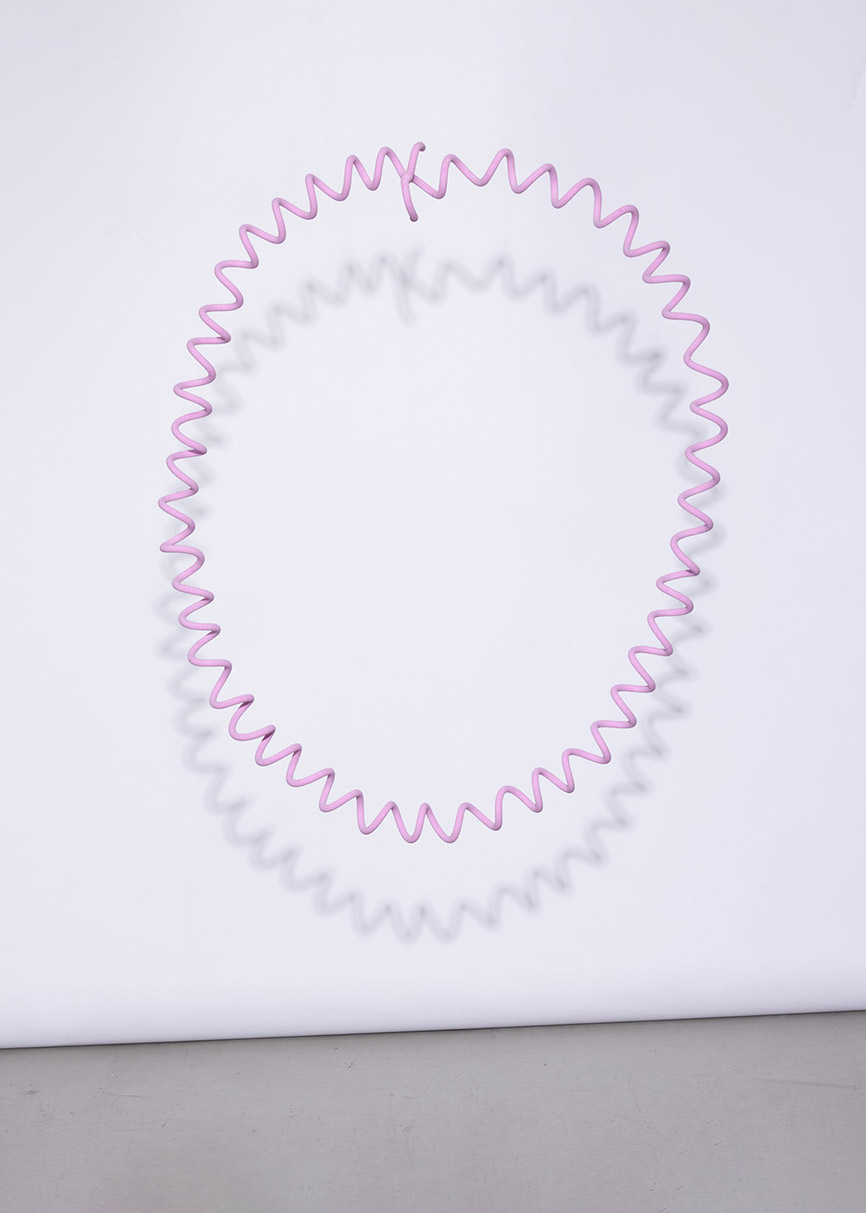
Guy Meldem embeds burner phones and cables into wax candles — fragments still visible — forming a contemporary nature morte. His round clocks, covered in printed colour fragments, turn time into interference rather than regular rhythm. In Yvonne Rogenmoser’s ceramic vase, a carefully crafted surface is partially oversprayed, loosening the conventions of the medium; her large process drawings extend this tension, with vessel forms acting as proxies for shifting emotional states.
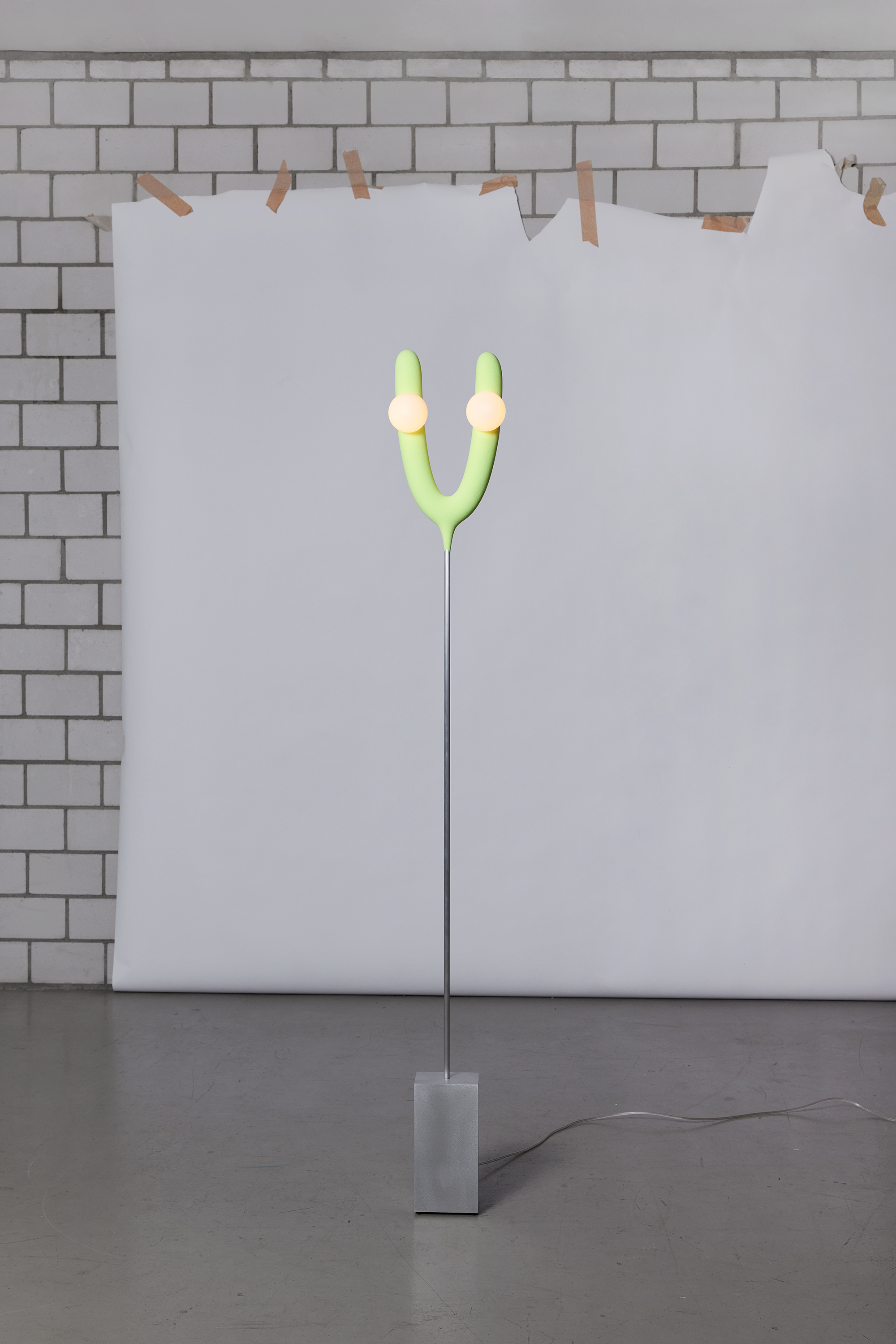
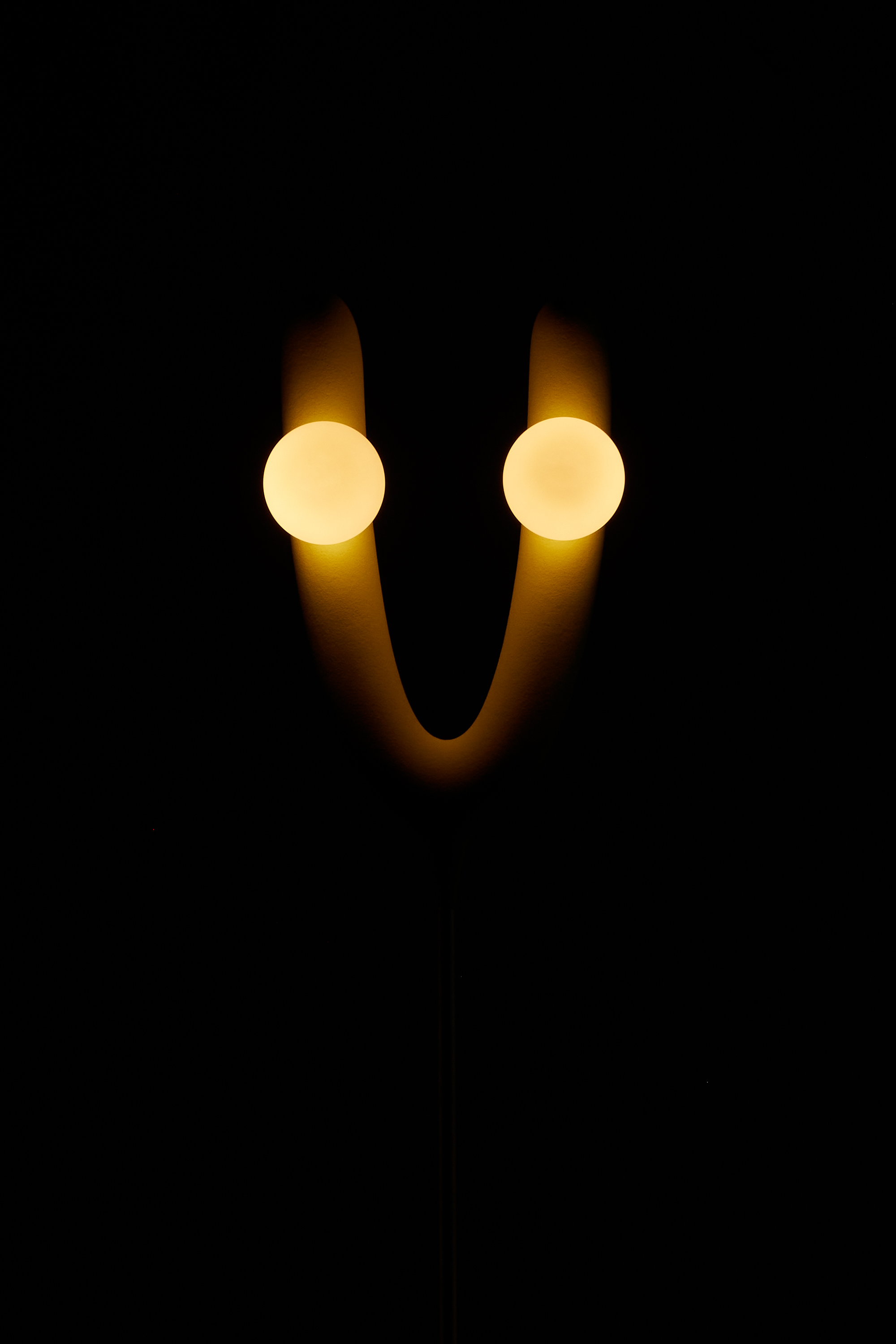
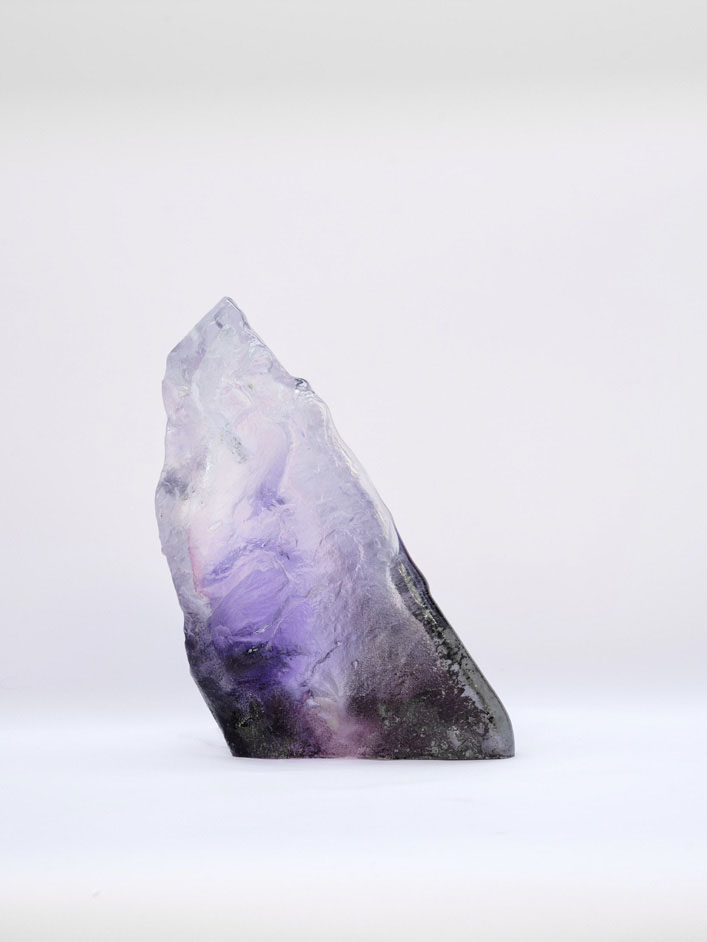
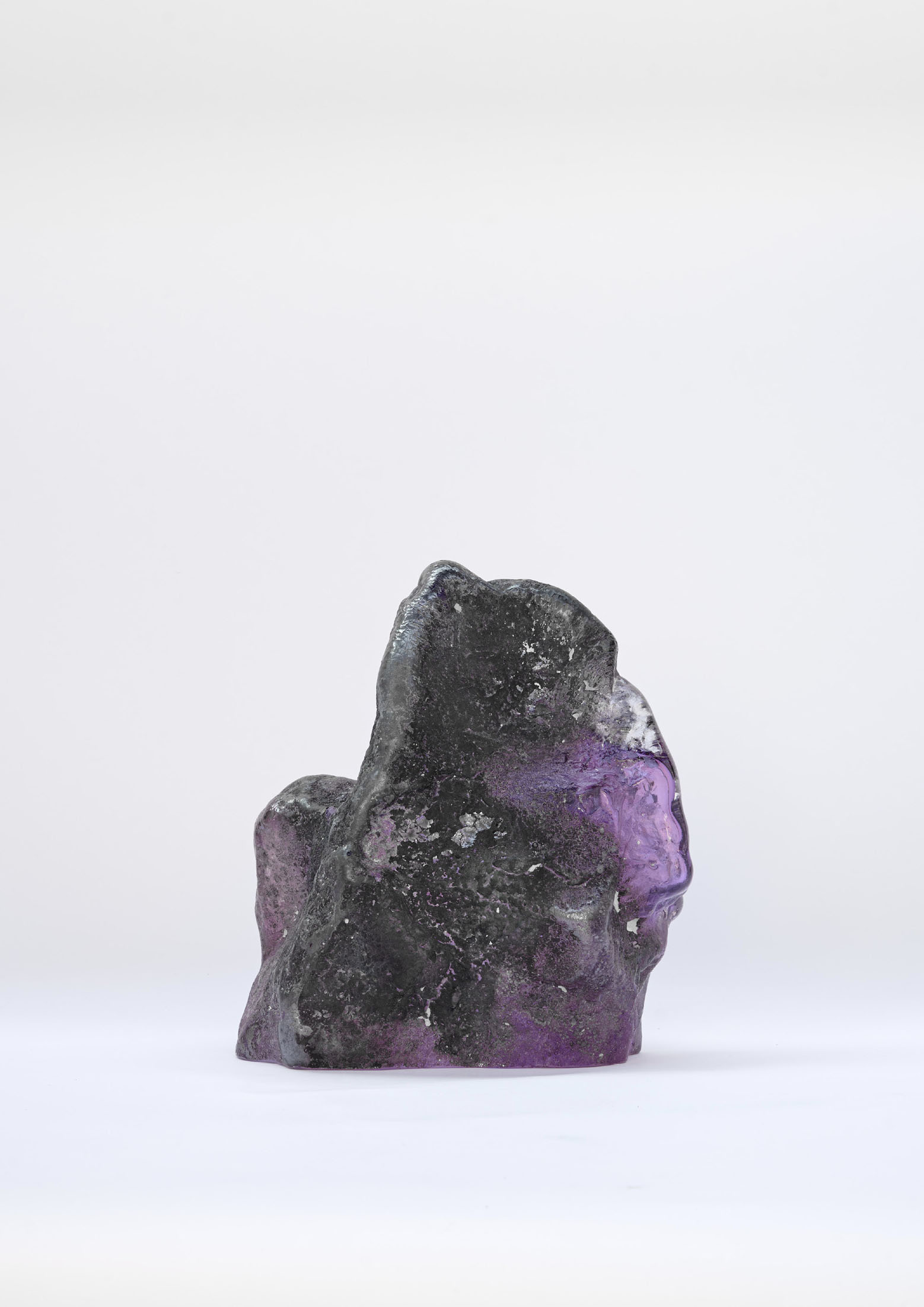
Douglas Mandry contributes blown-glass forms derived from glacier-mill scans alongside overprinted offset plates from a recent research and book project. Zato (Stefan Liniger) intervenes directly in the space, removing existing ceiling fixtures and reconfiguring them with rods, tape, and exhibition materials. As daylight fades, the room settles into softer light and muted colour hues.
Together, the works articulate a shared attitude. Each practice introduces a slight offset — a small shift away from what is expected — through how materials are employed, combined, and redirected. Decisions remain readable, tracing a direct line from intention through making into the object itself. What remains is a sense of character and presence: objects that hold their identity while remaining open to variation across settings and situations.
Photography: Studio Albula
SELECTED WORKS
DIMITRI BÄHLER
DUST AND SUNLIGHT
06.09 –
08.11.2025
SECOND NATURE PROJECTS08.11.2025
PFINGSTWEIDSTR. 31
8005 ZÜRICH
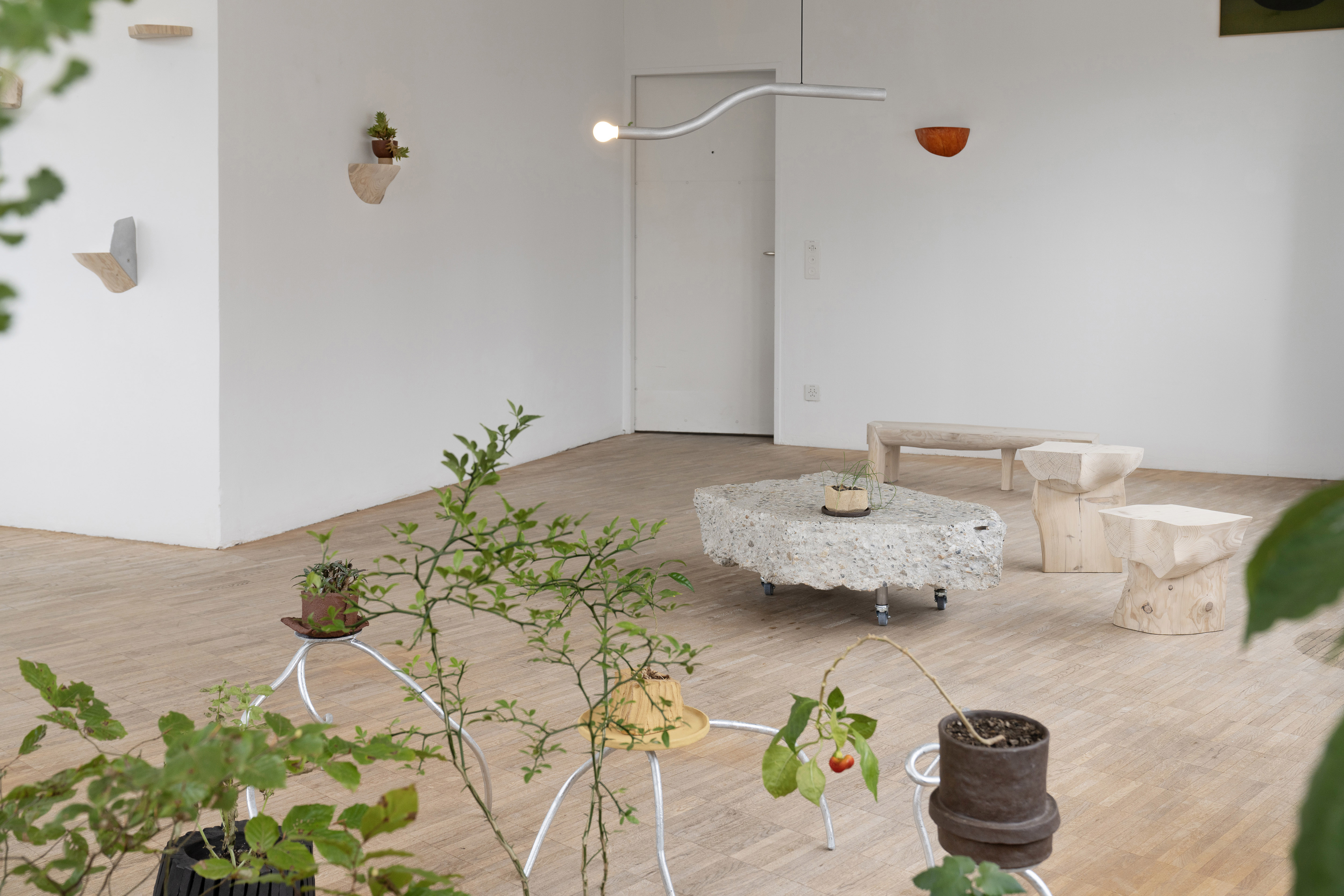
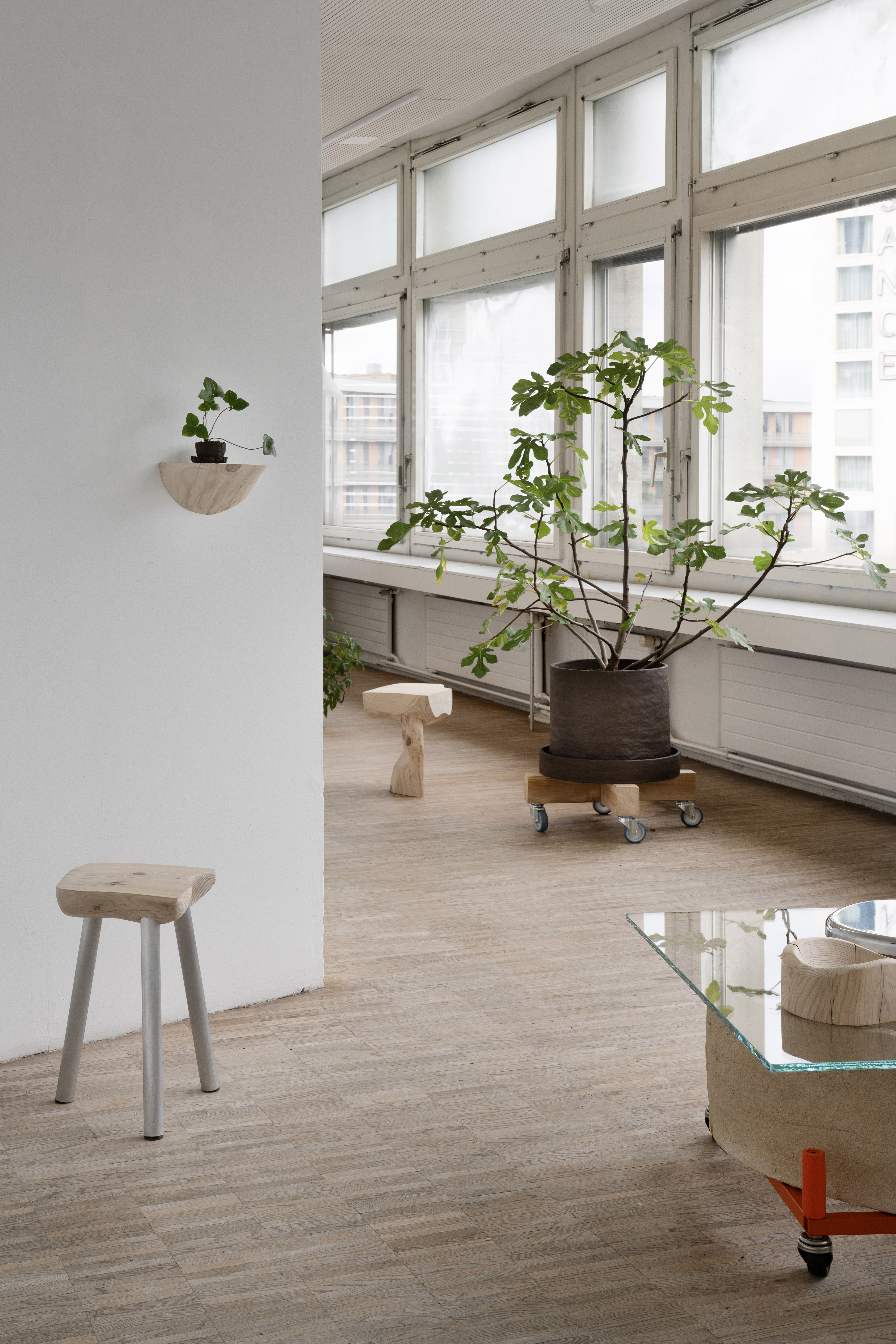
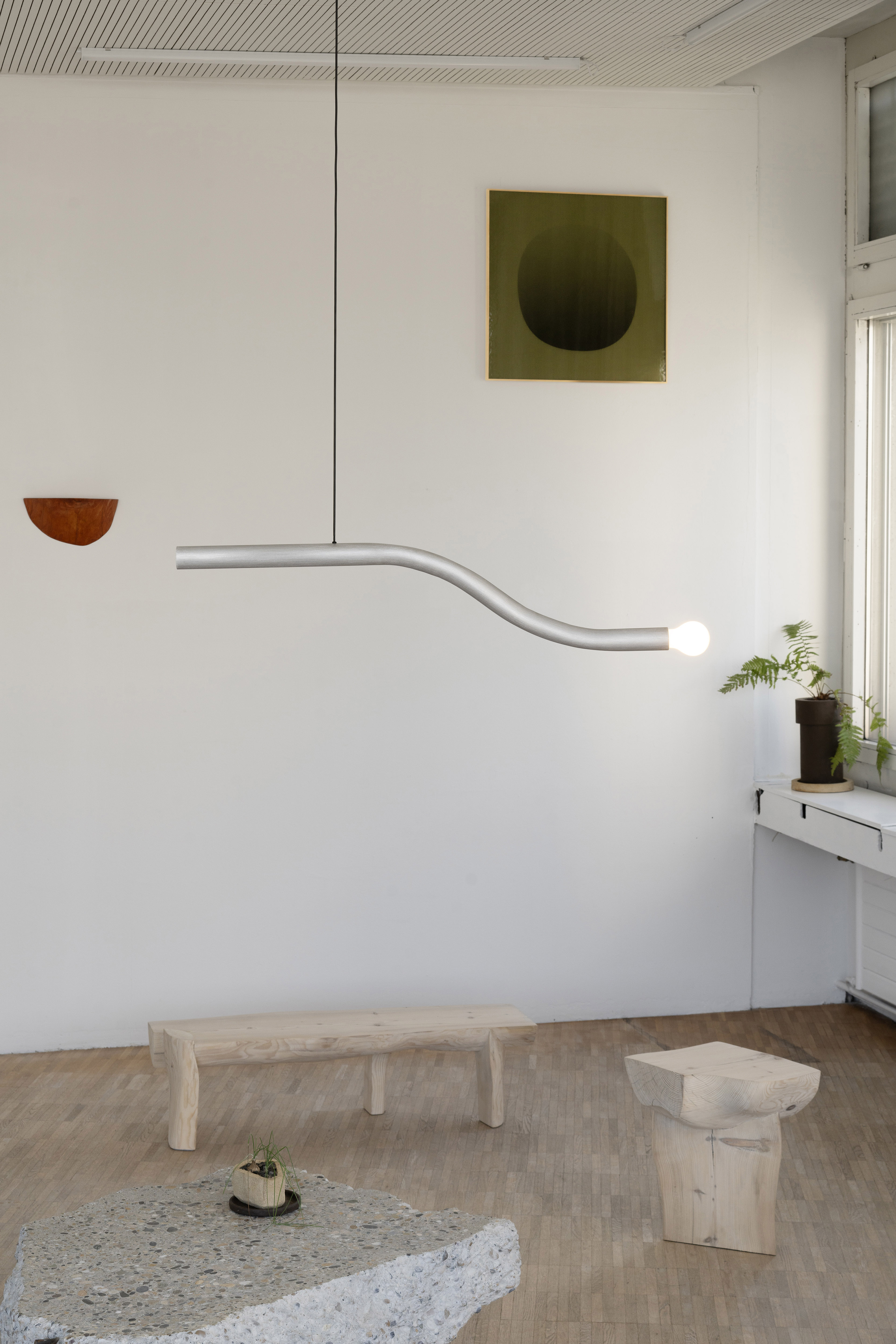
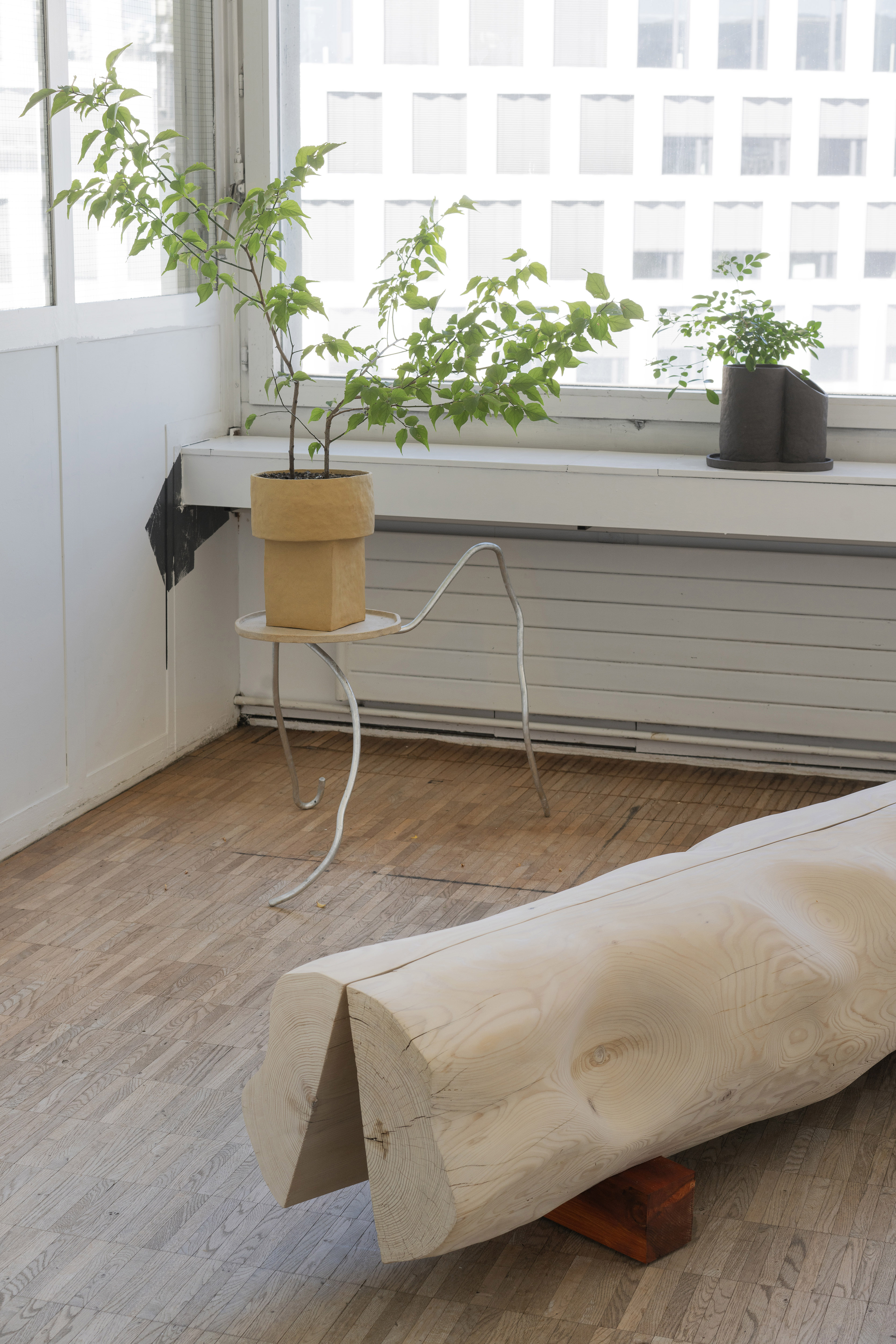
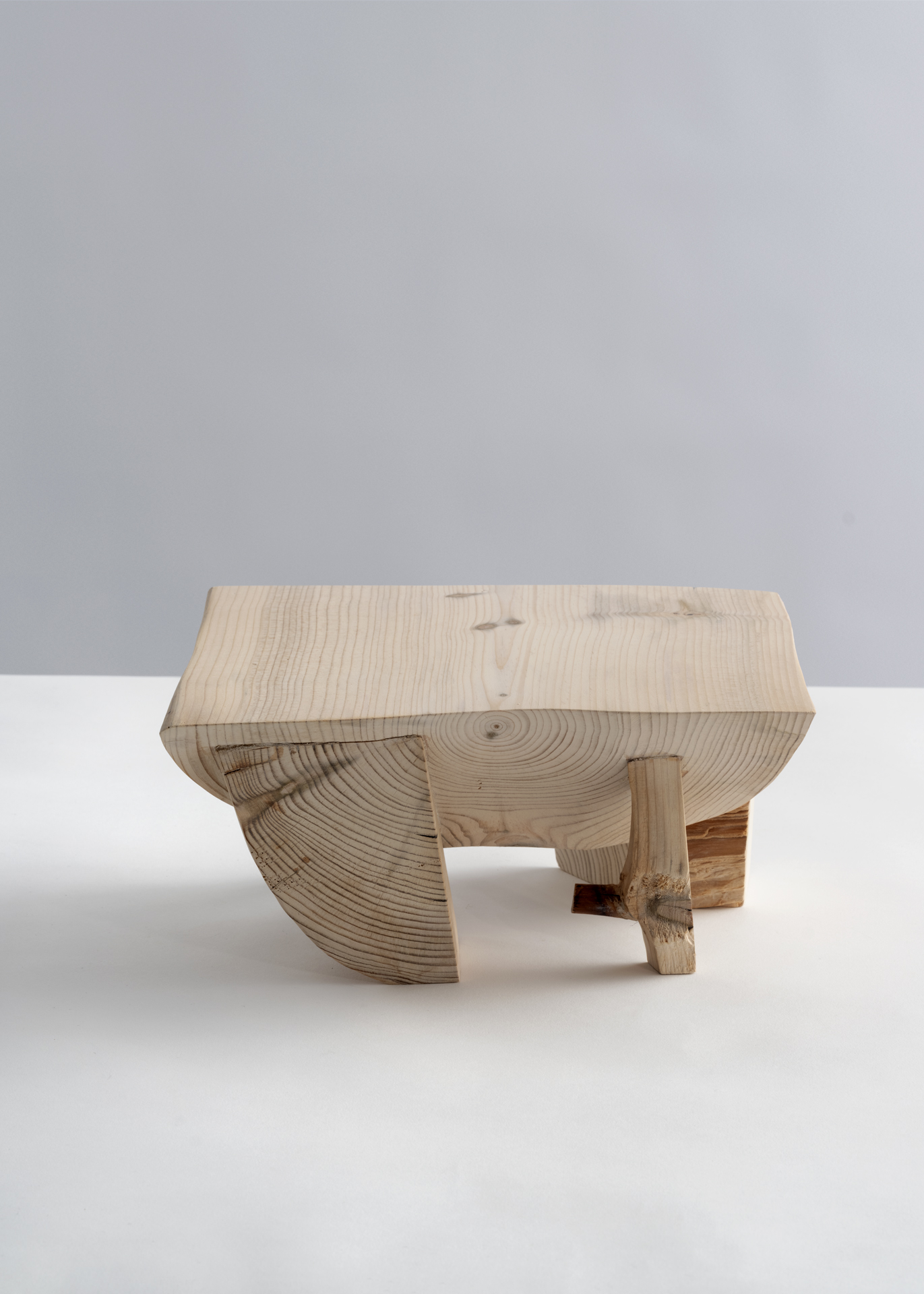
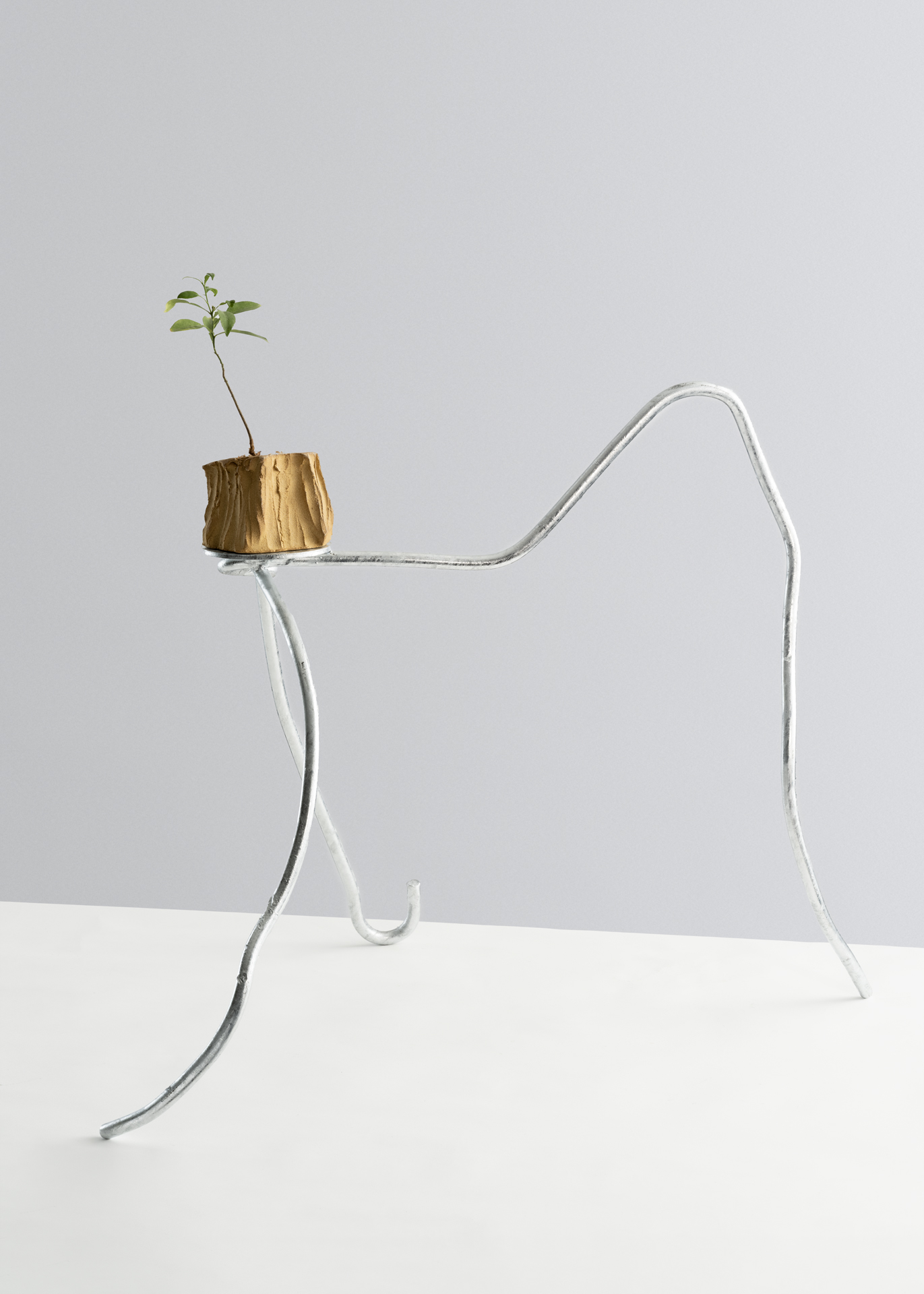
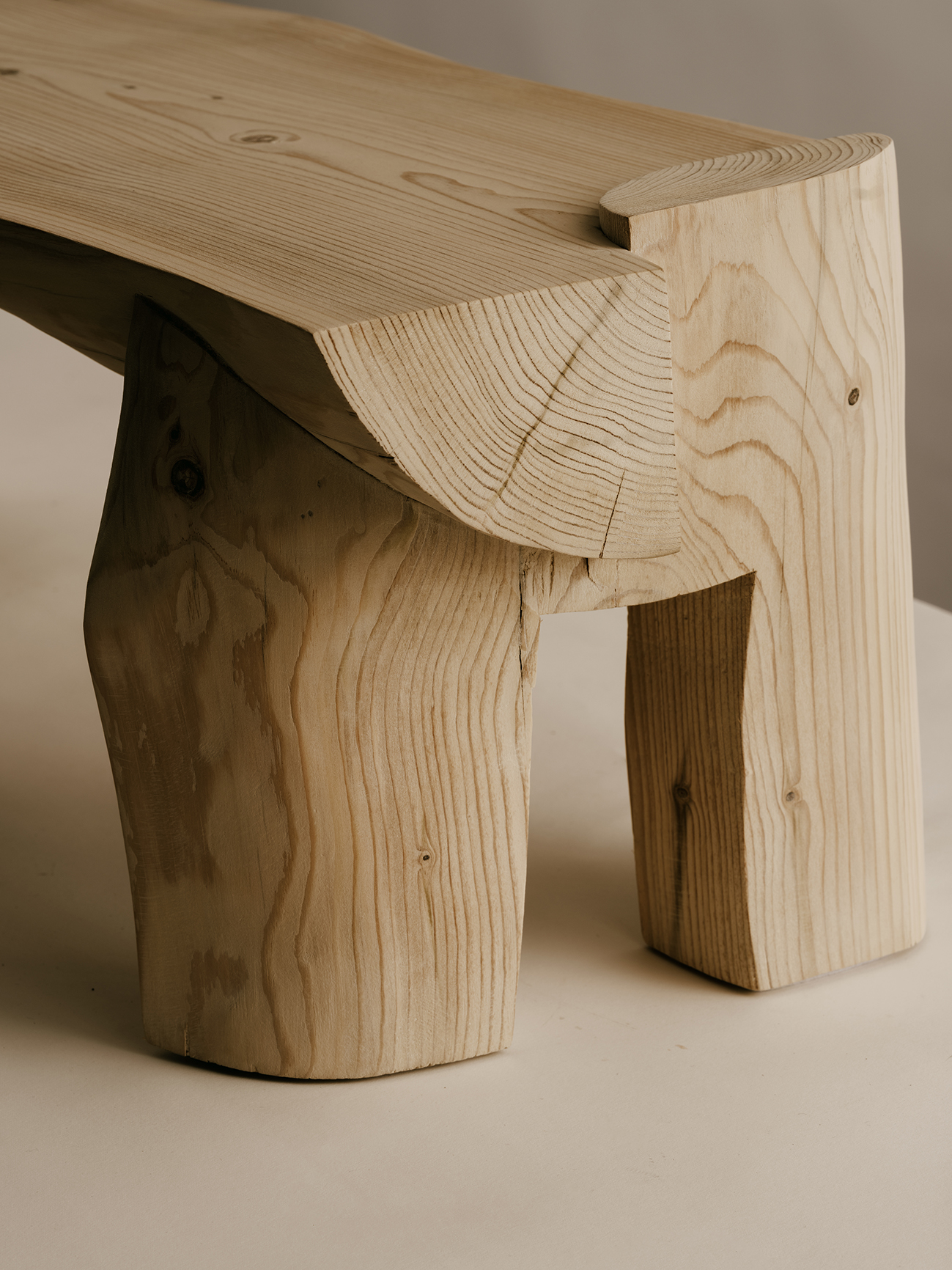
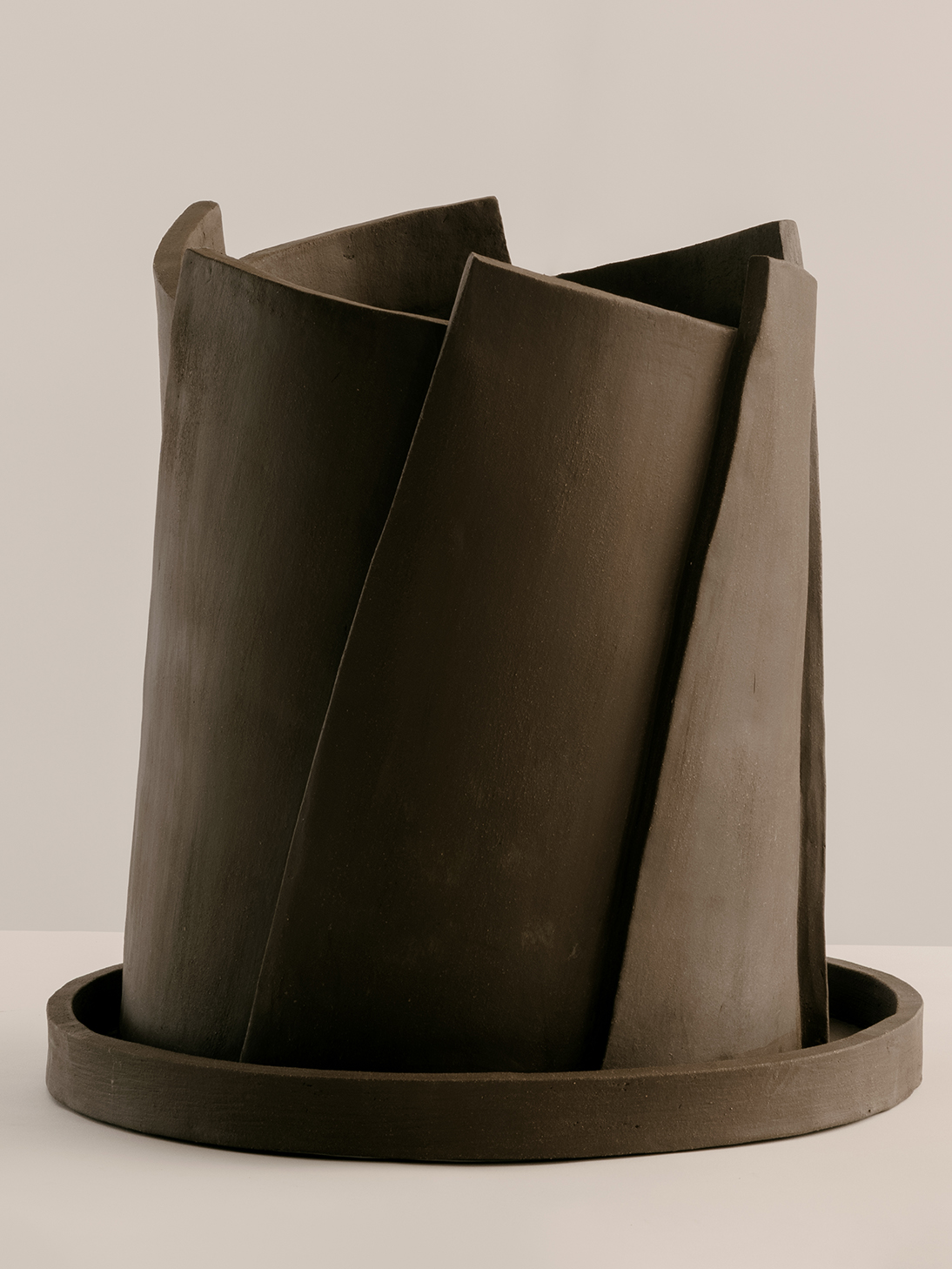
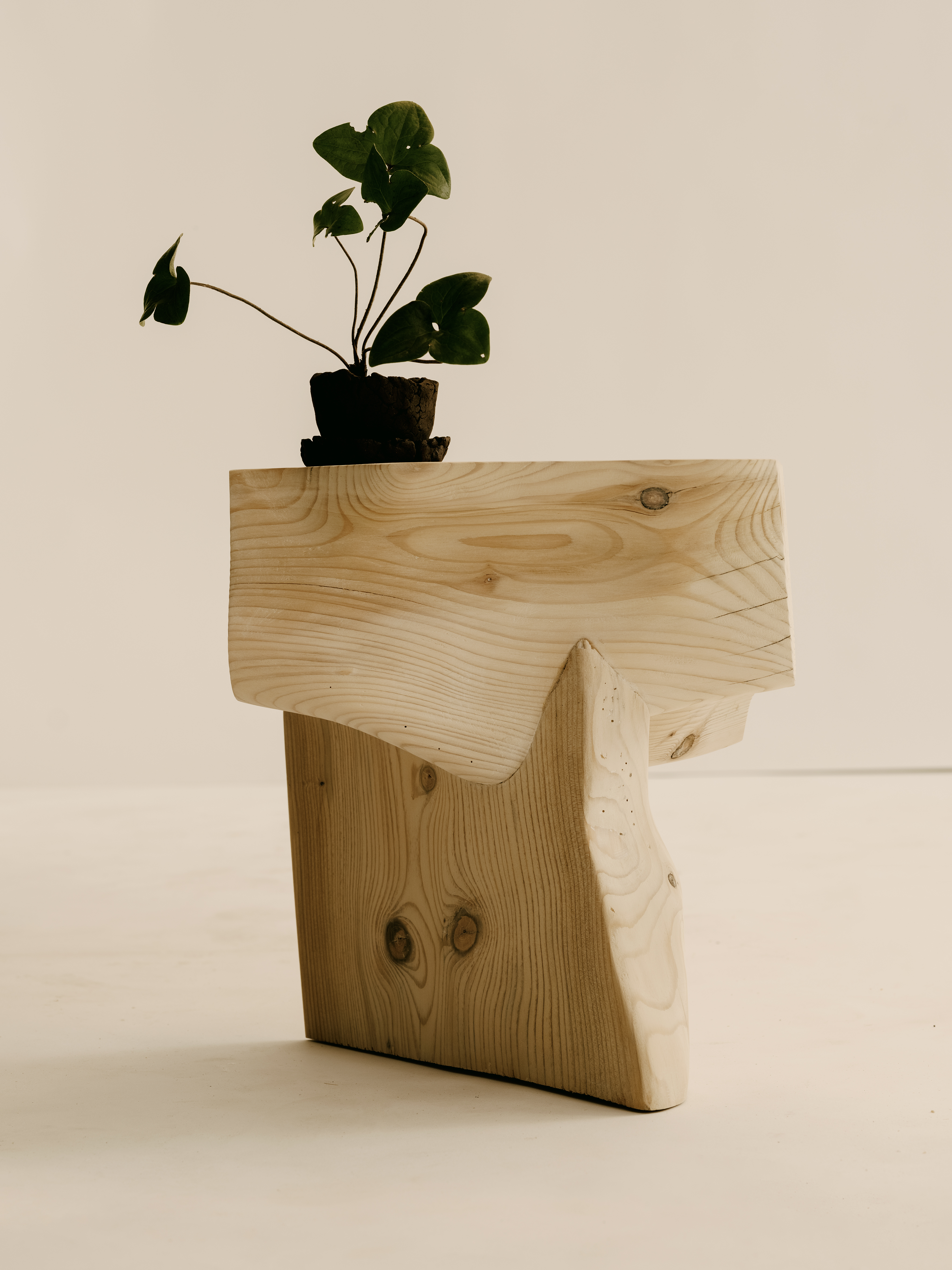
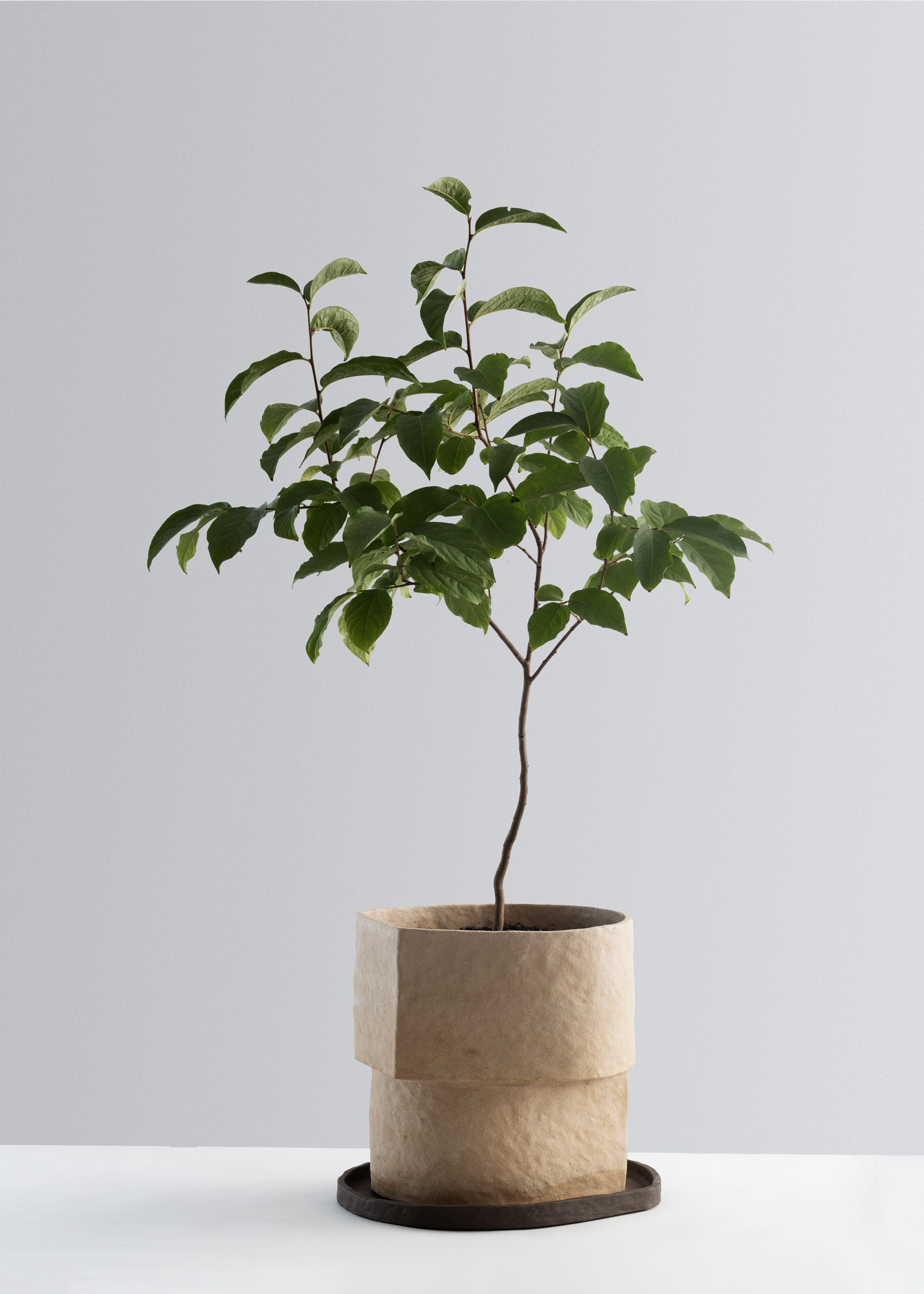
Potted plants set the tone—simple, yet too intentional to be overlooked. The hand-built pots, made in collaboration with gardener Sebastian Rüdisüli, mark the starting point of Bähler's latest project. It speaks of time, traces, and the impulse to shape with one’s hands. Here, the cultivation of plants meets the cultivation of making, raising the question of noticing—what comes into view and what slips past.
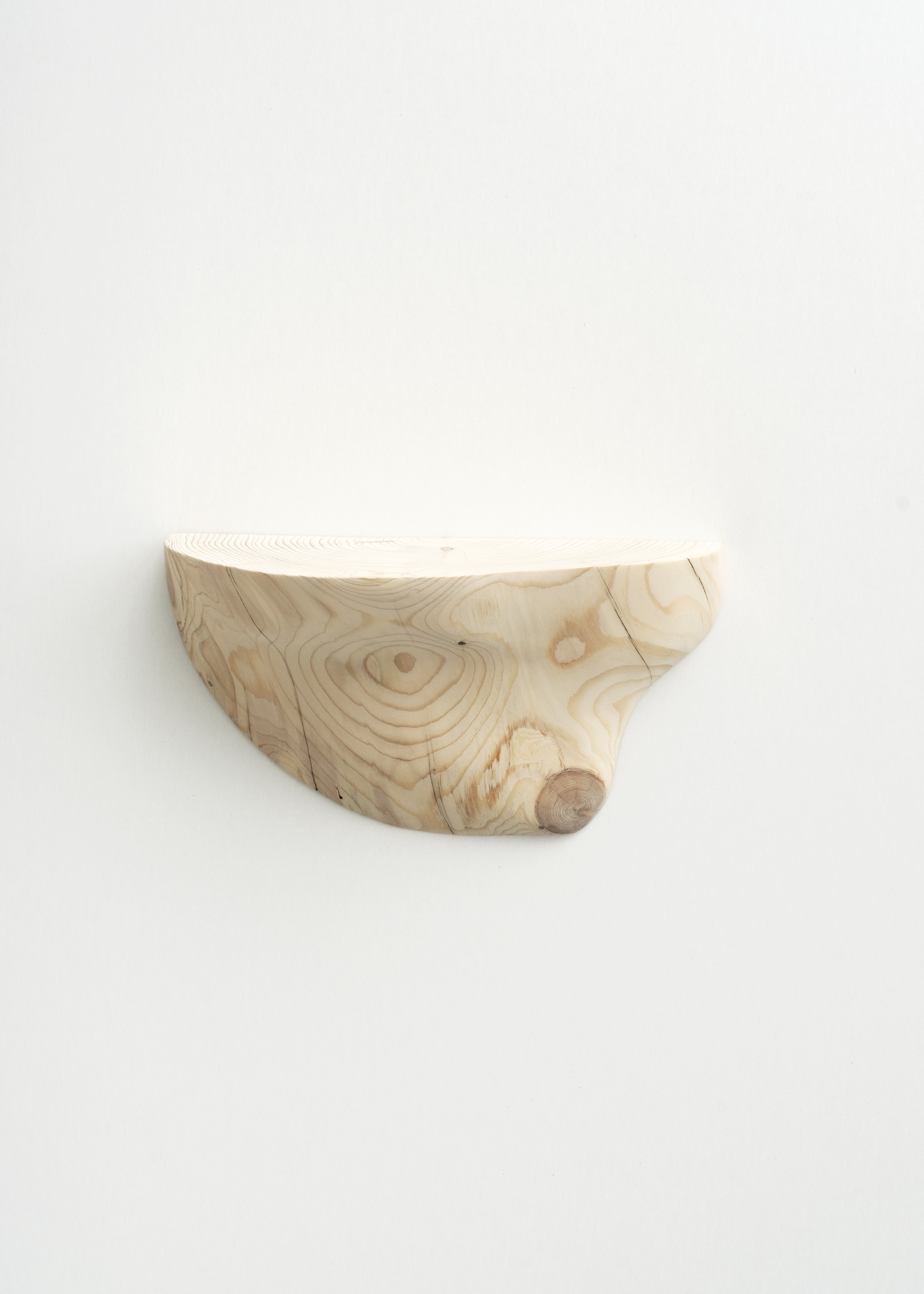
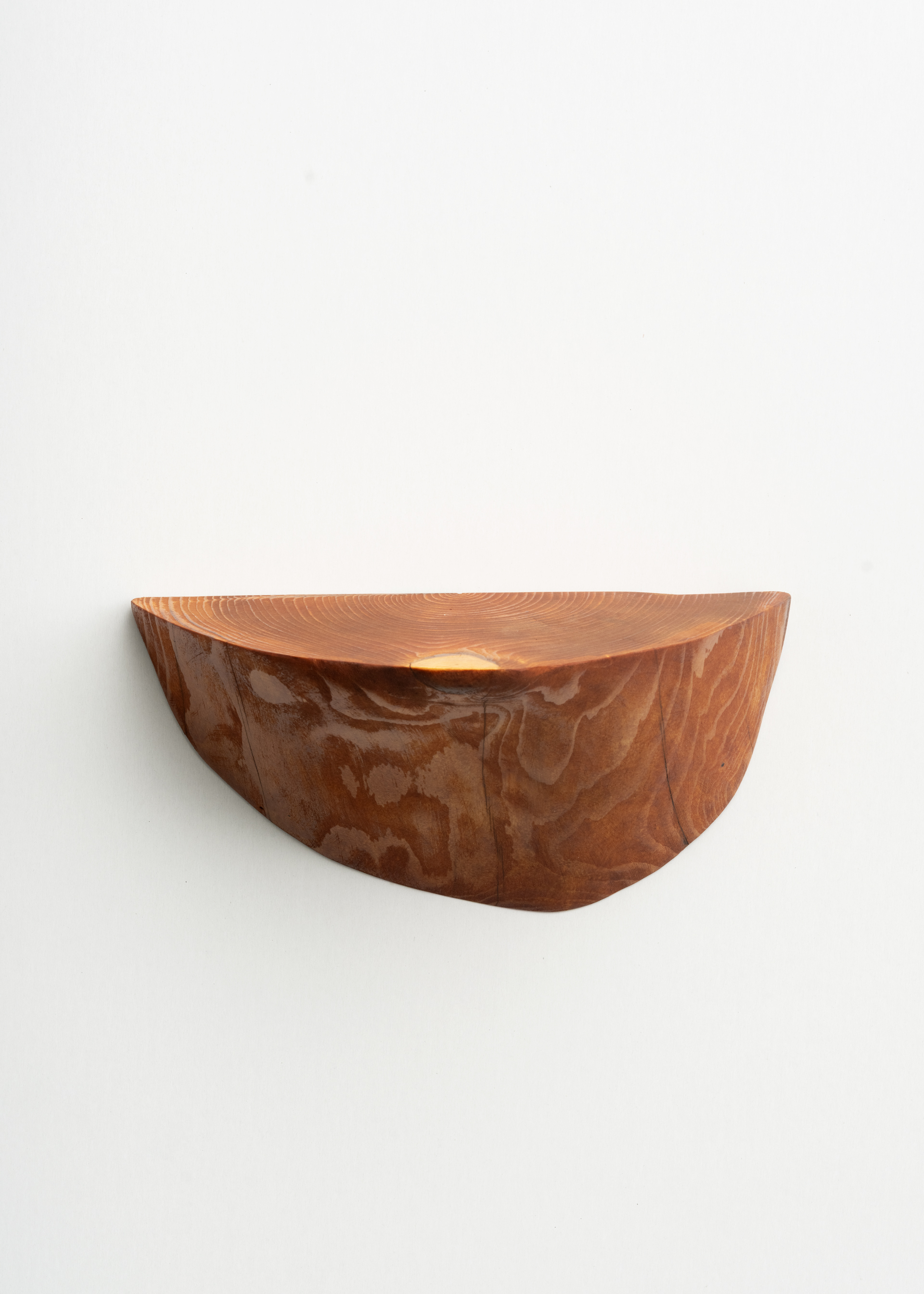
In botany, one speaks of plant blindness—the tendency to see plants as undifferentiated green. Bähler’s work resists this blur of perception. From this starting point, he turns to what is close at hand: the eye that Rüdisüli brings to plants, he extends to materials on the margins—fragments that might otherwise go unnoticed. A discarded family table carries its memories into softened benches and side pieces; found concrete and bent steel become sculptural supports or a low table on castors; metal samples bend into lighting objects—reduced rather than engineered.
These works allow imperfections and traces, showing a way of making that is deliberate yet unforced—marked by simple interventions rather than polish or market logic. Dust and Sunlight turns Bähler’s studio into a landscape, between shed and garden. The image recalls French landscape architect Gilles Clément’s jardin en mouvement, where growth is not imposed but guided. Bähler’s approach is one of tending—restrained yet open, attentive to what grows at the edges.
Photography: Claude Barrault
SELECTED WORKS


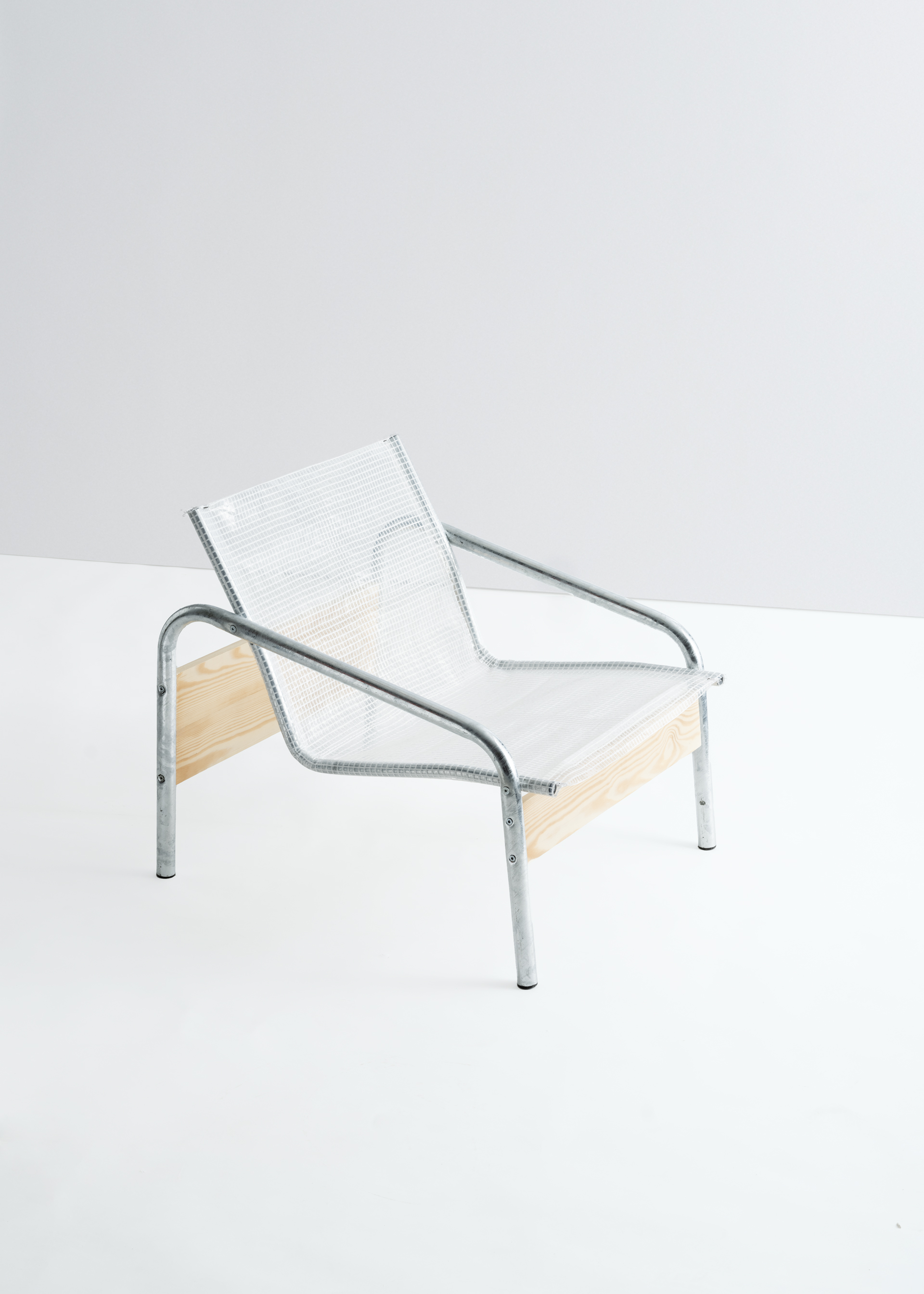


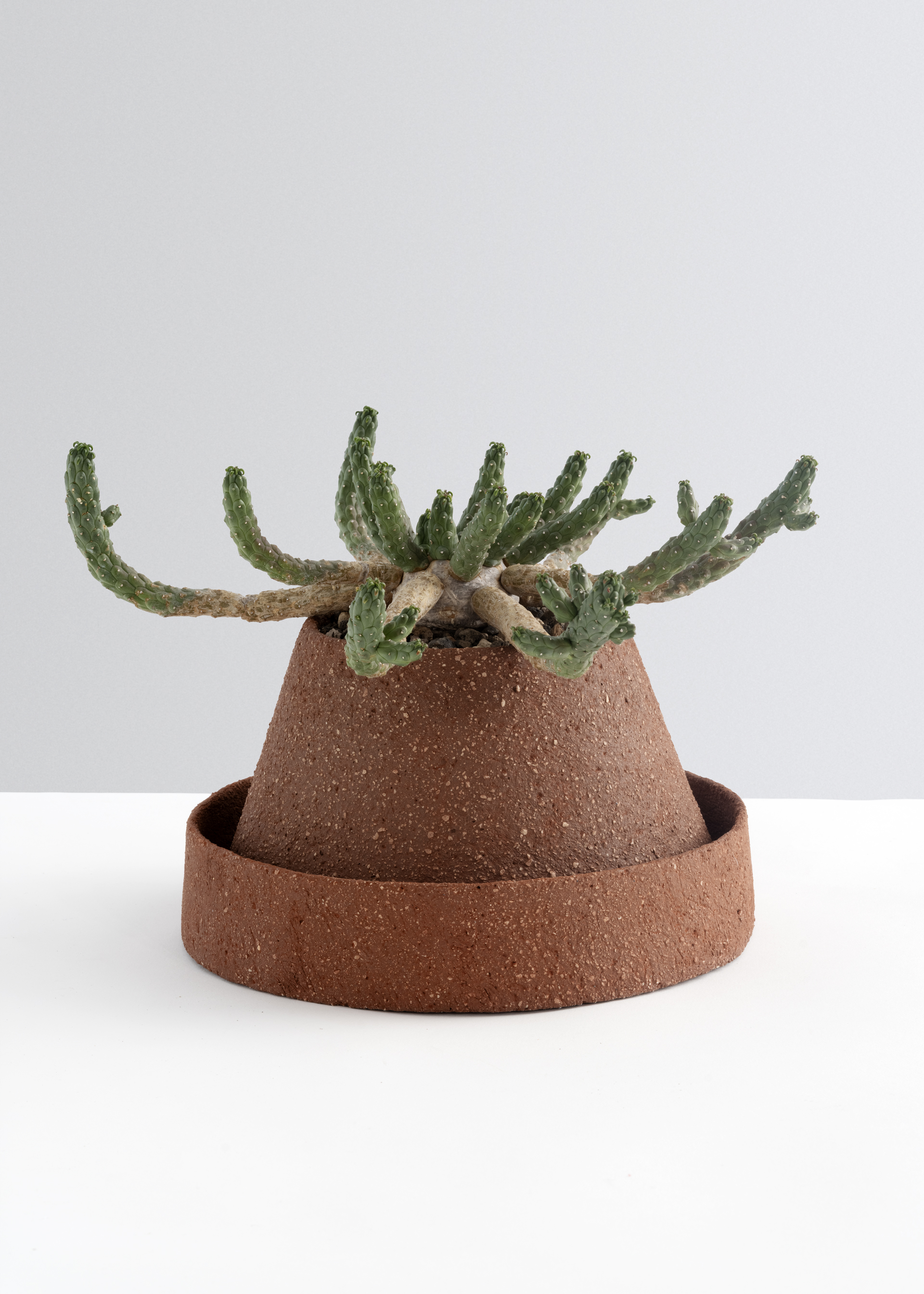
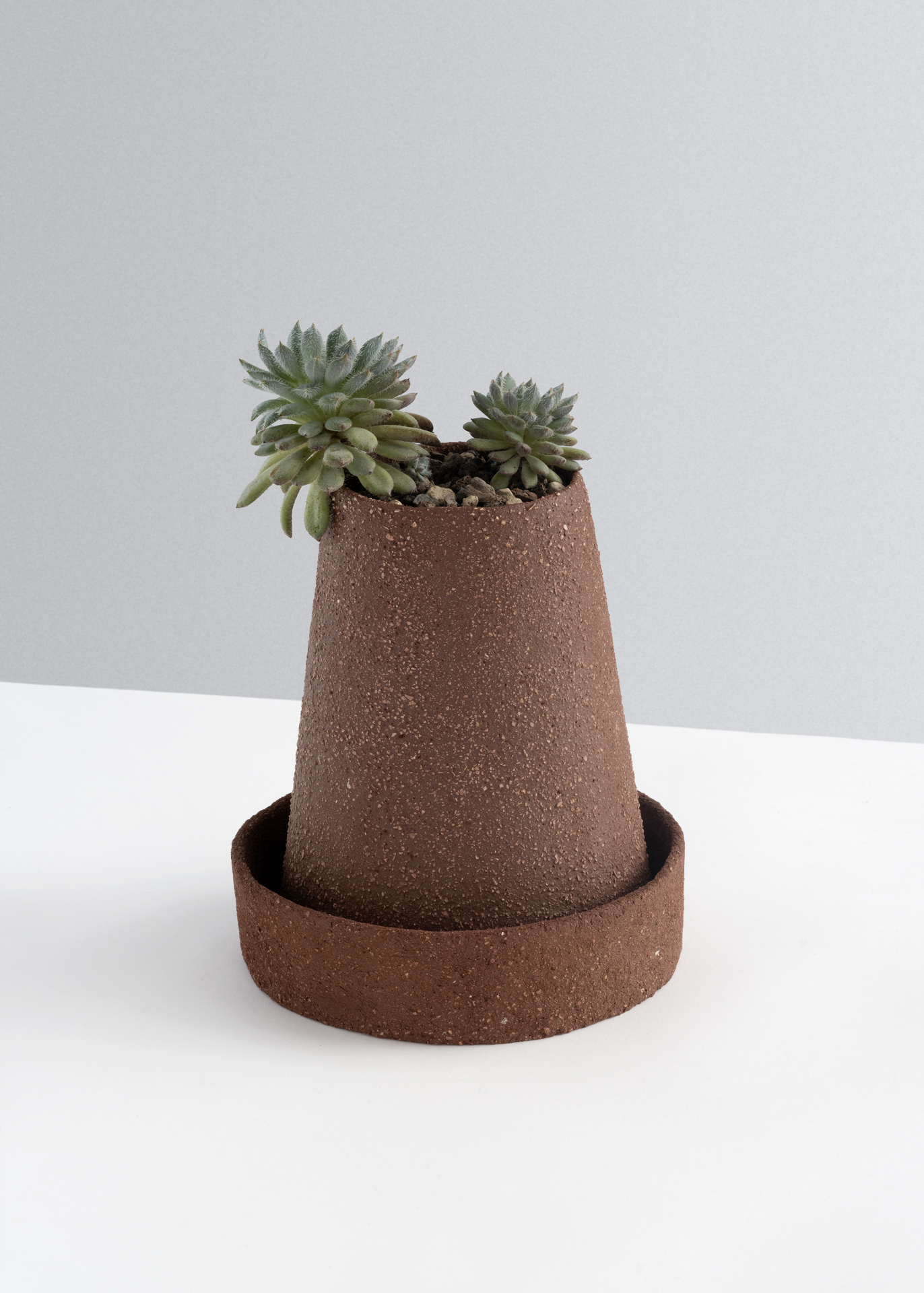


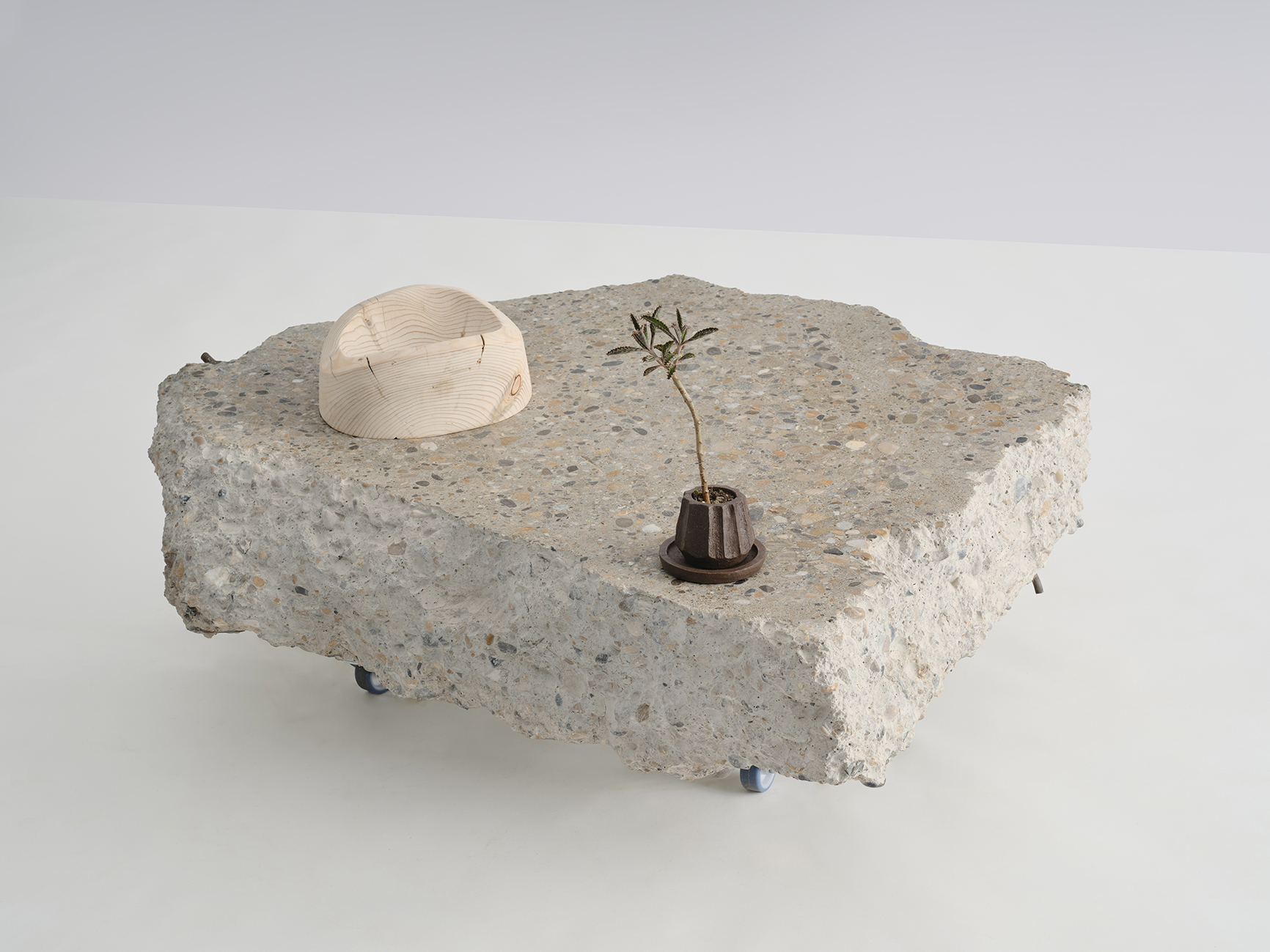







Photography: Sabine Hess
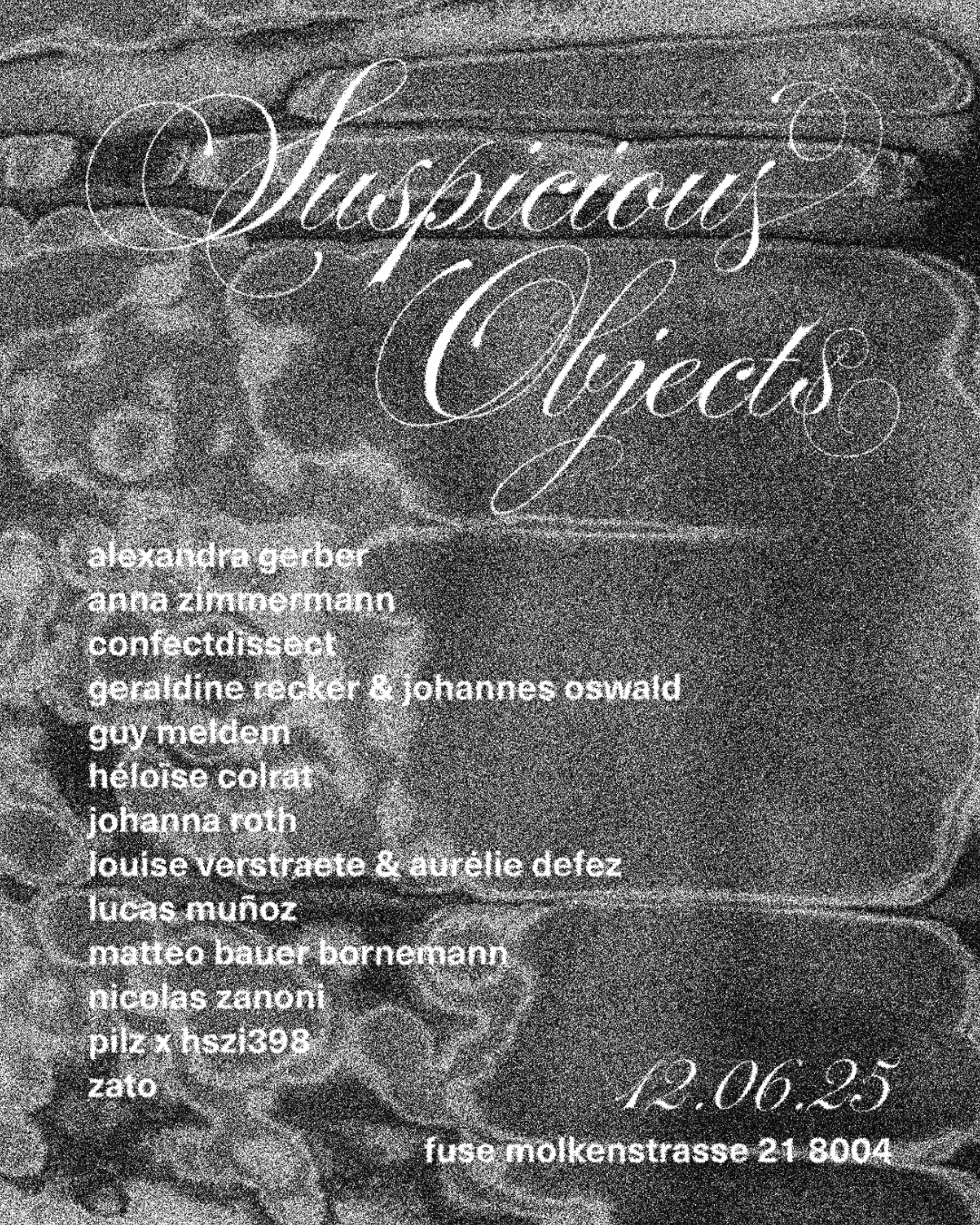
SUSPICIOUS OBJECTS
12.06.
– 28.06.25
FUSE Concept Space
Molkenstrasse 21, 8004 Zurich
ALEXANDRA GERBER
ANNA ZIMMERMANN
confectdissect
GERLADINE RECKER & JOHANNES OSWALD
GUY MELDEM
HÉLOÏSE COLRAD
JOHANNA ROTH with LEO ORNSTEIN & SOFIA FERRARI
LOUISE VERSTRAETE & AURÉLIE DEFEZ
LUCAS MUÑOZ
MATTEO BAUER BORNEMANN
NICOLAS ZANONI
PILZ X HSZI398
ZATO
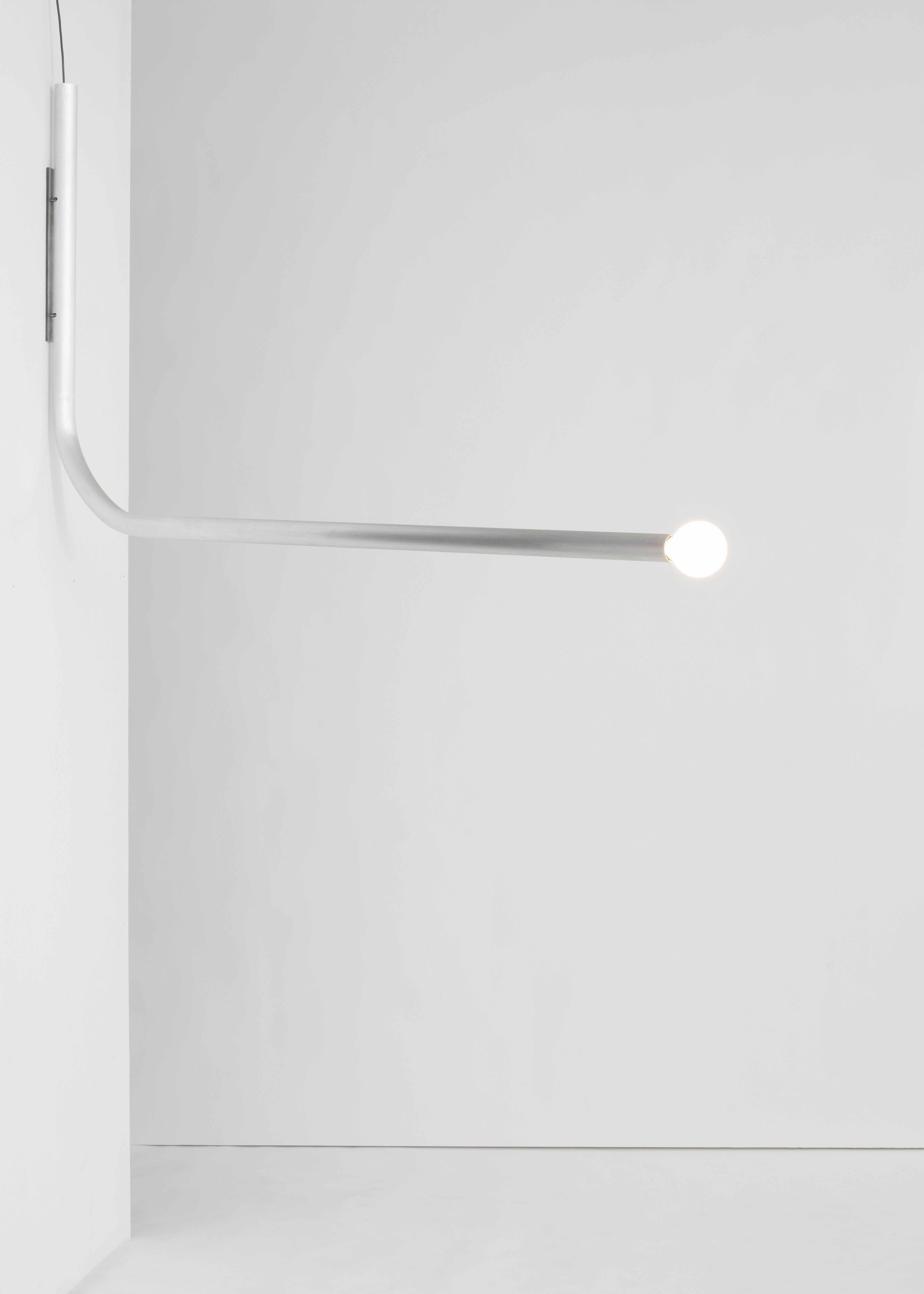
Some objects don’t fully conform. They borrow familiar forms, but shift configurations — combining elements in ways that sit slightly outside the
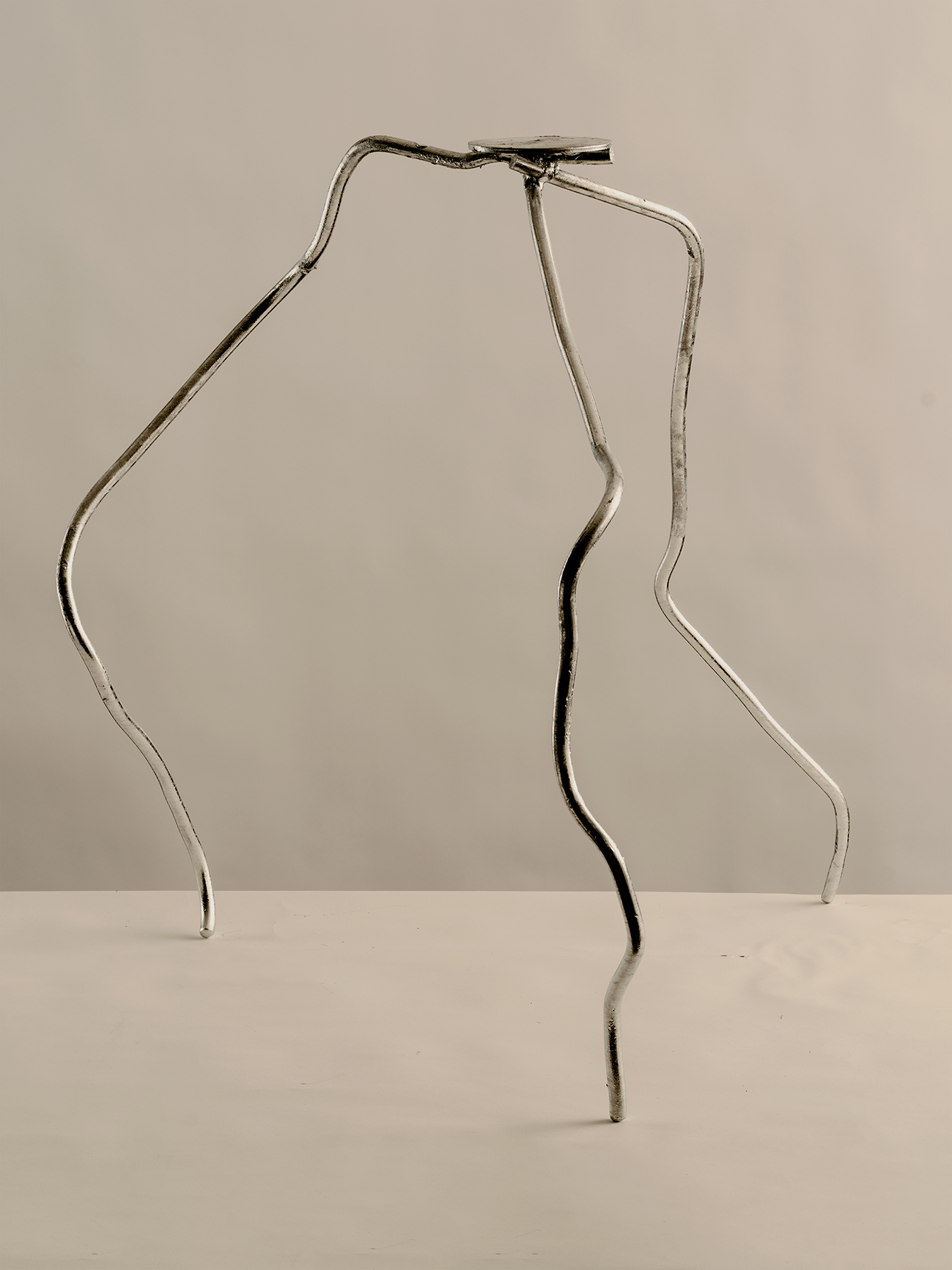
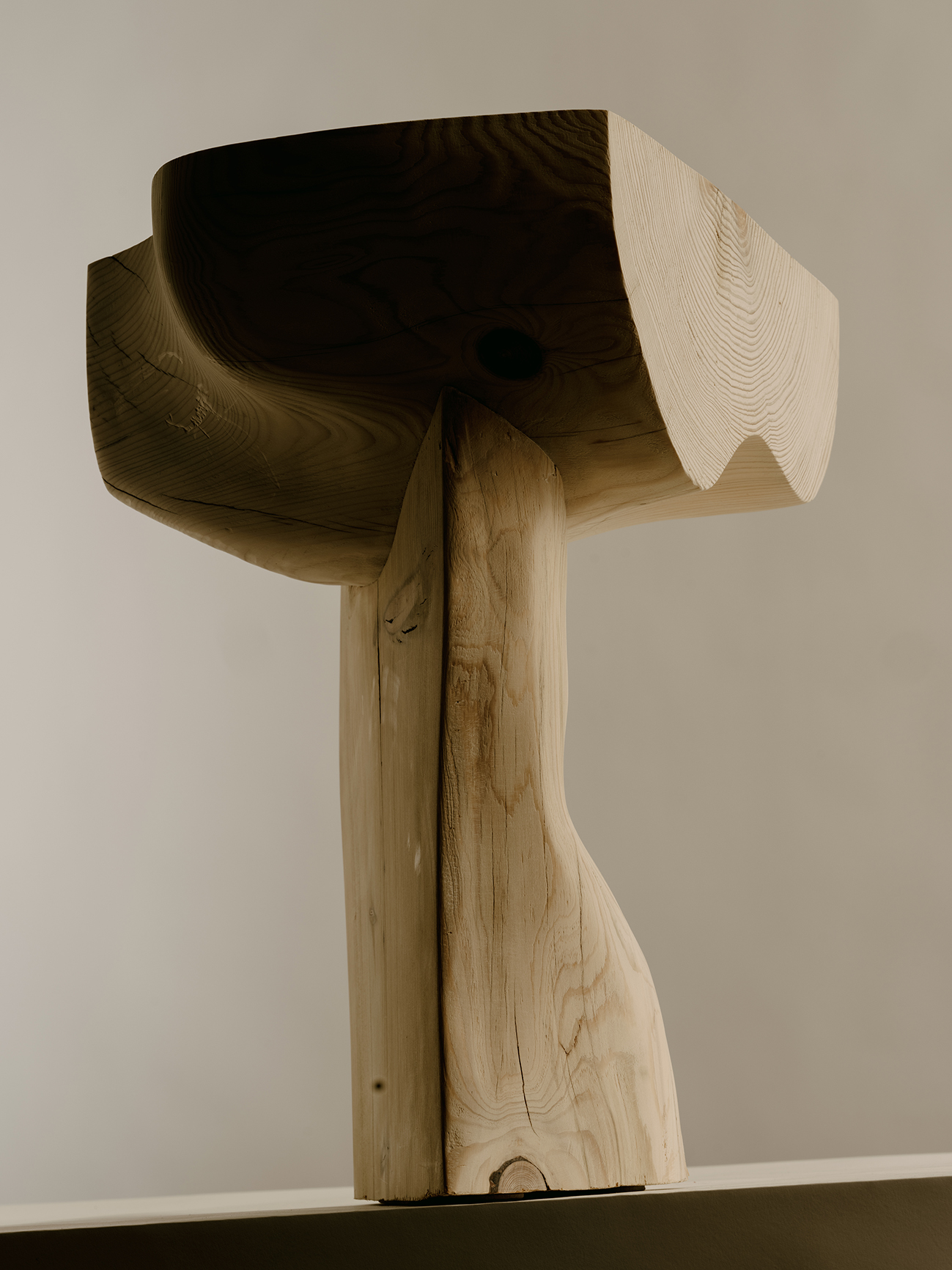
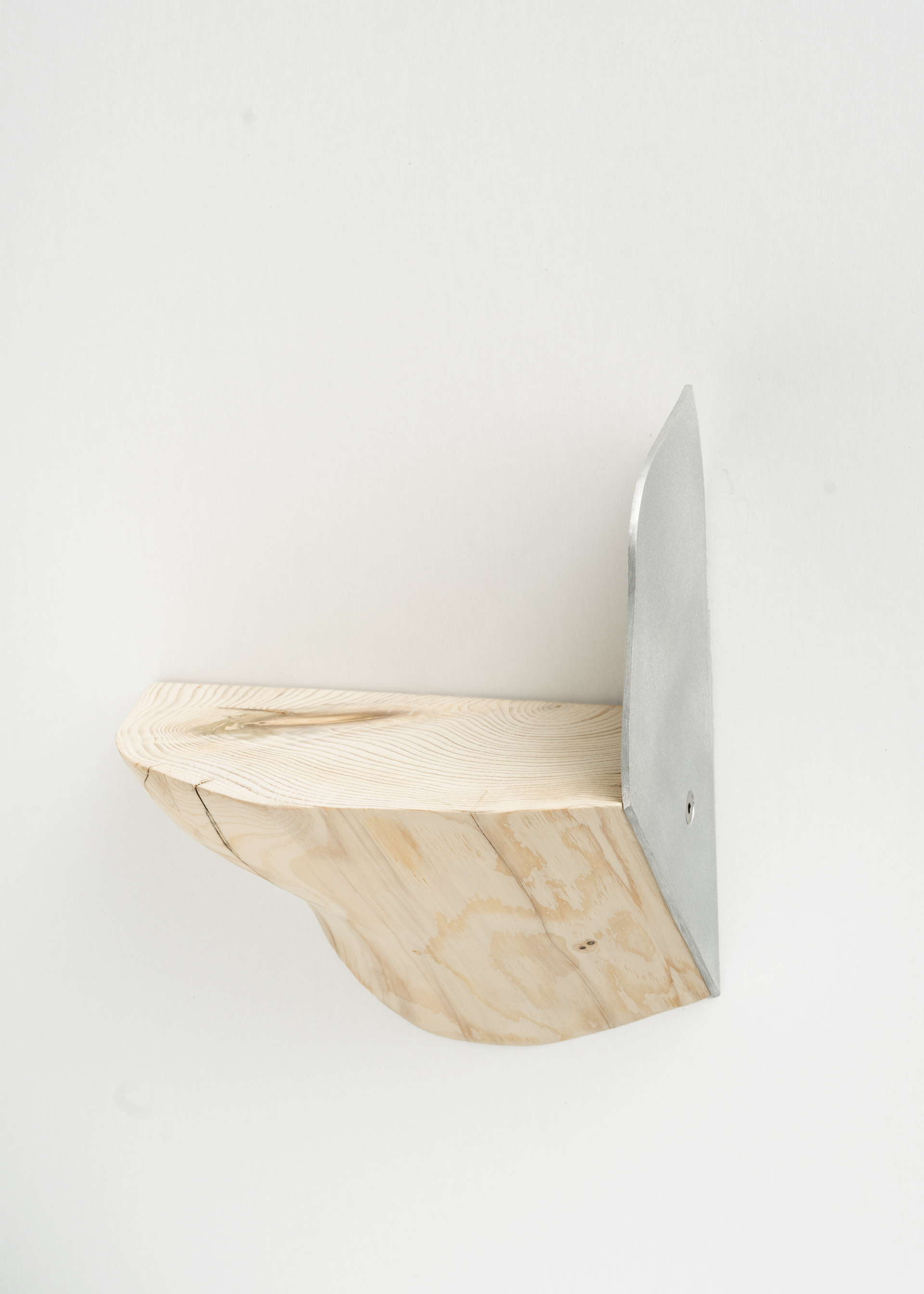
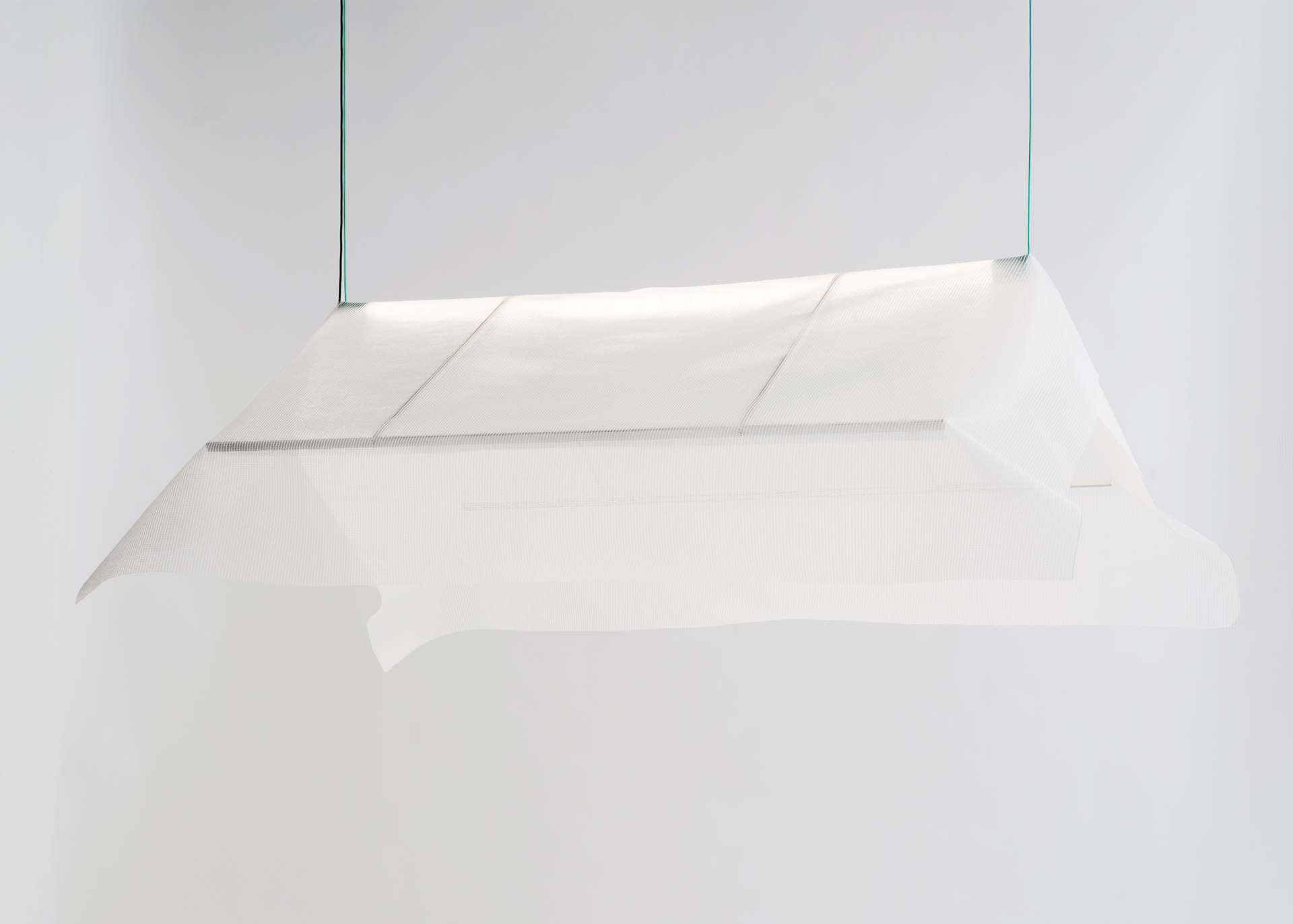
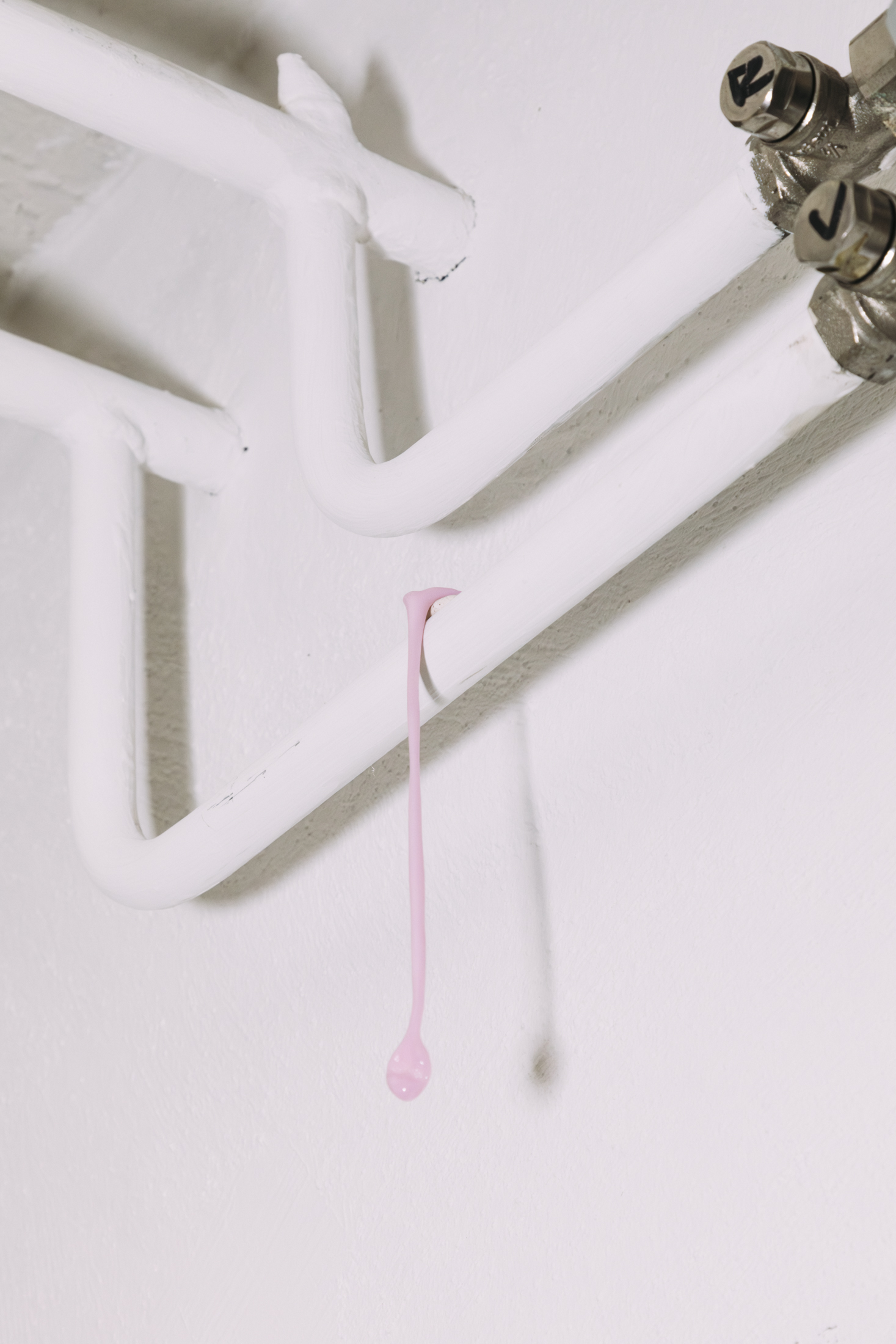
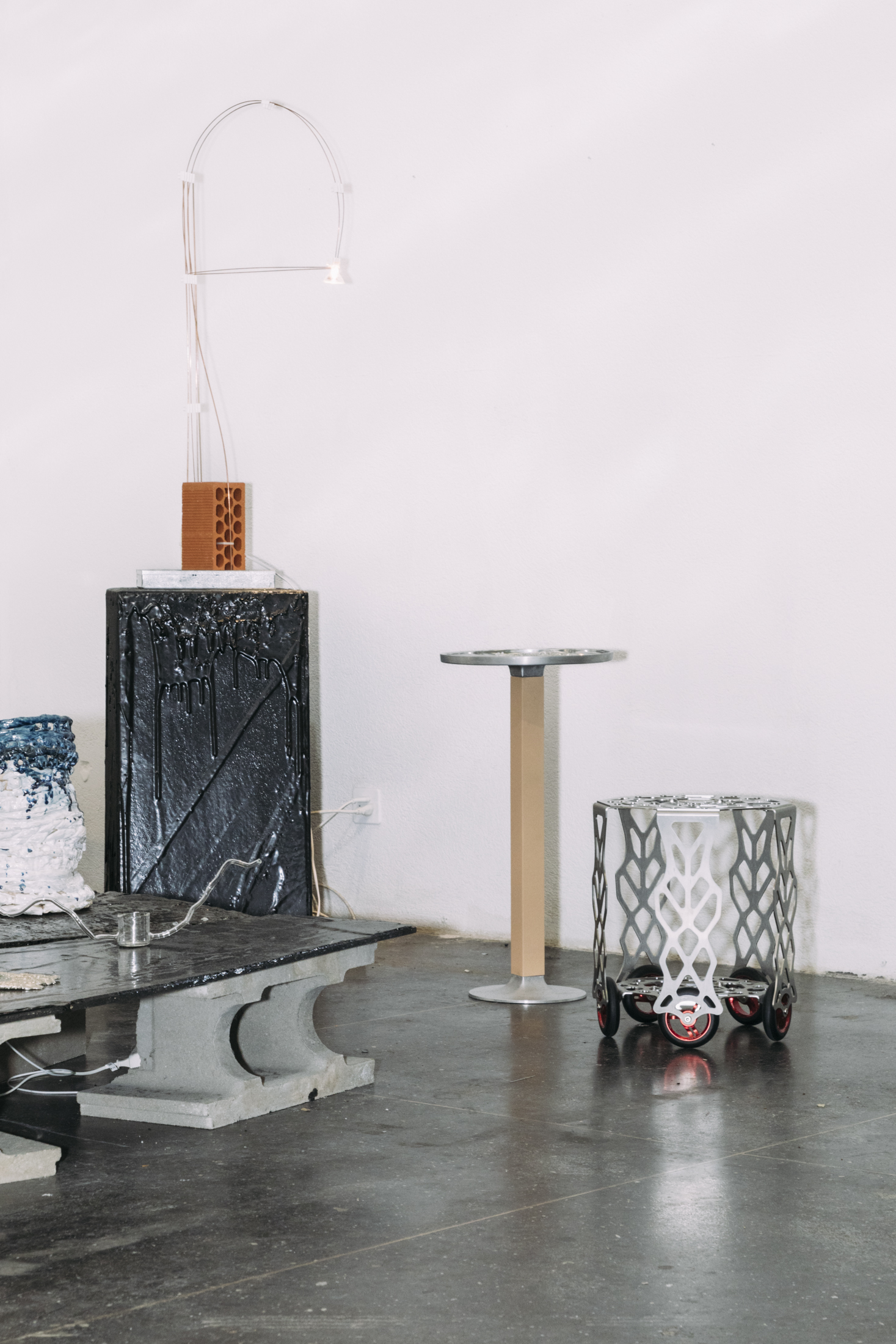
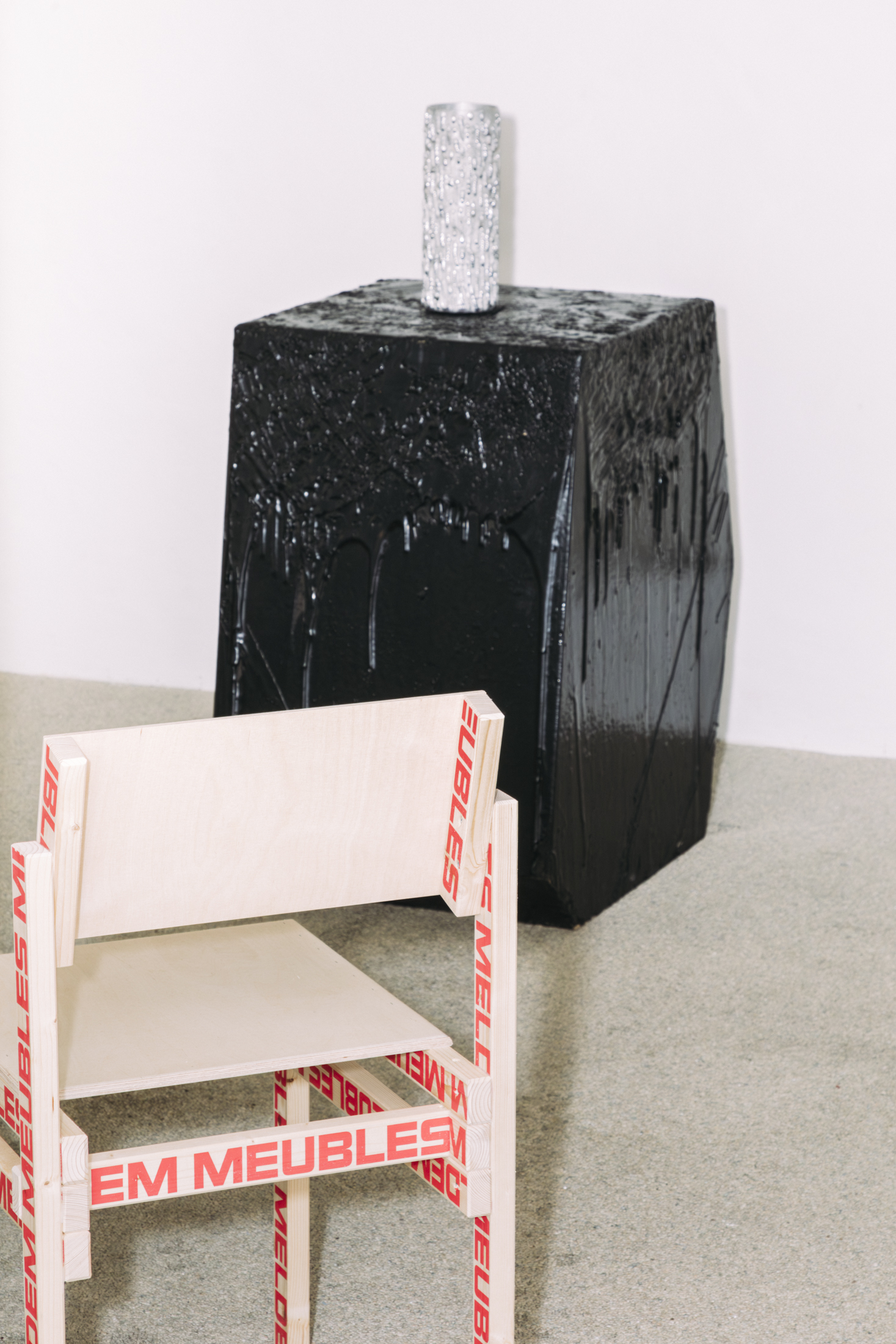
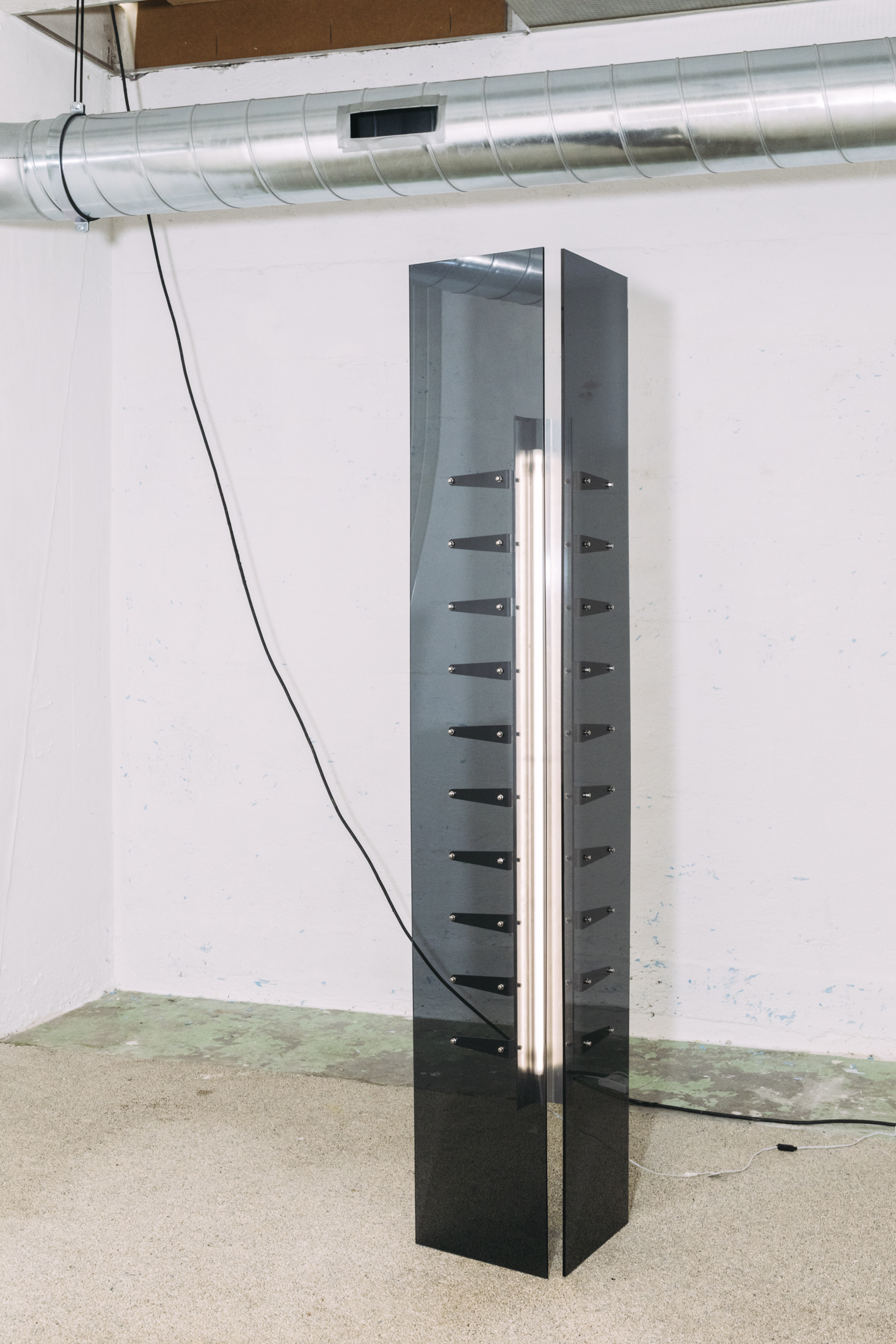
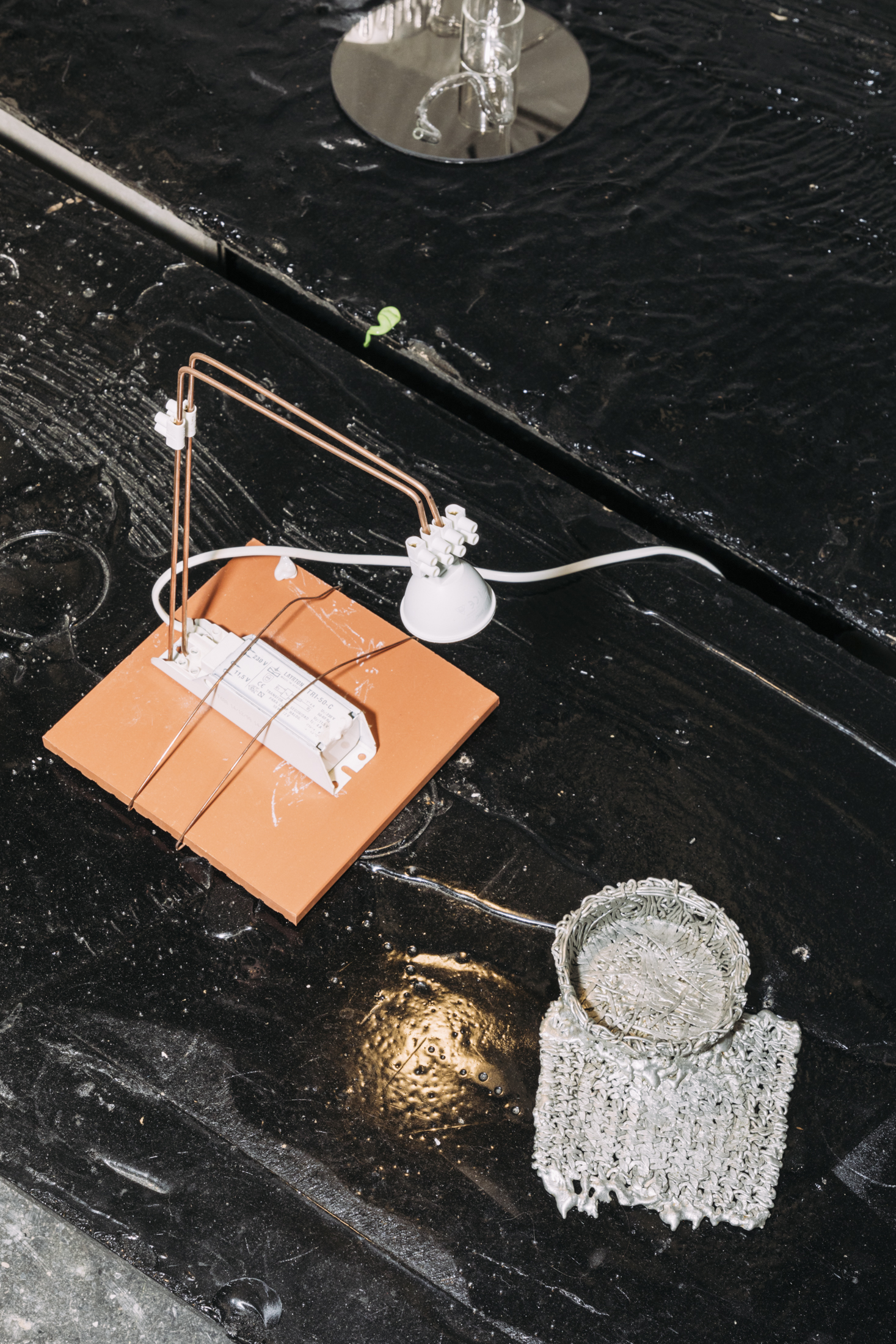
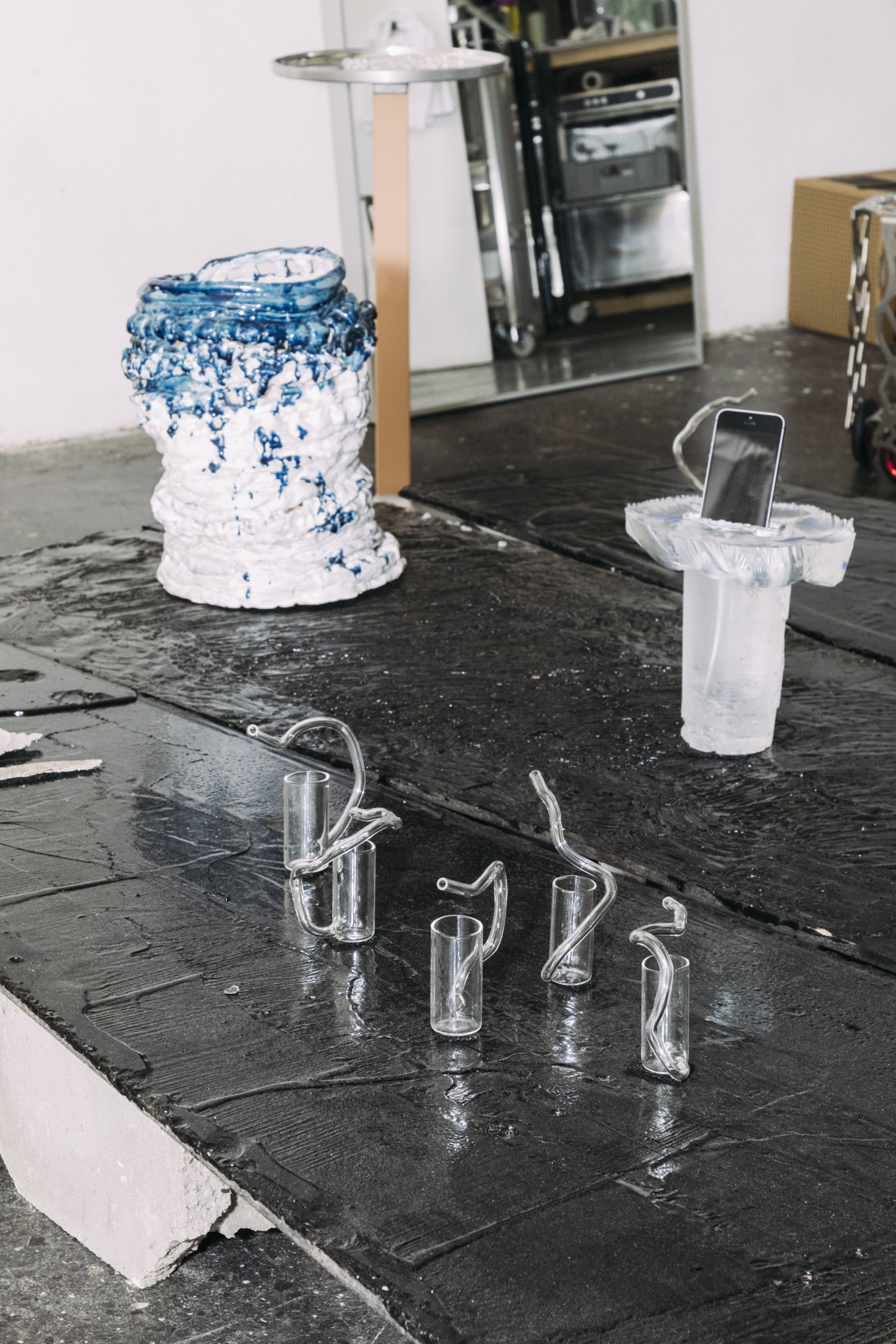
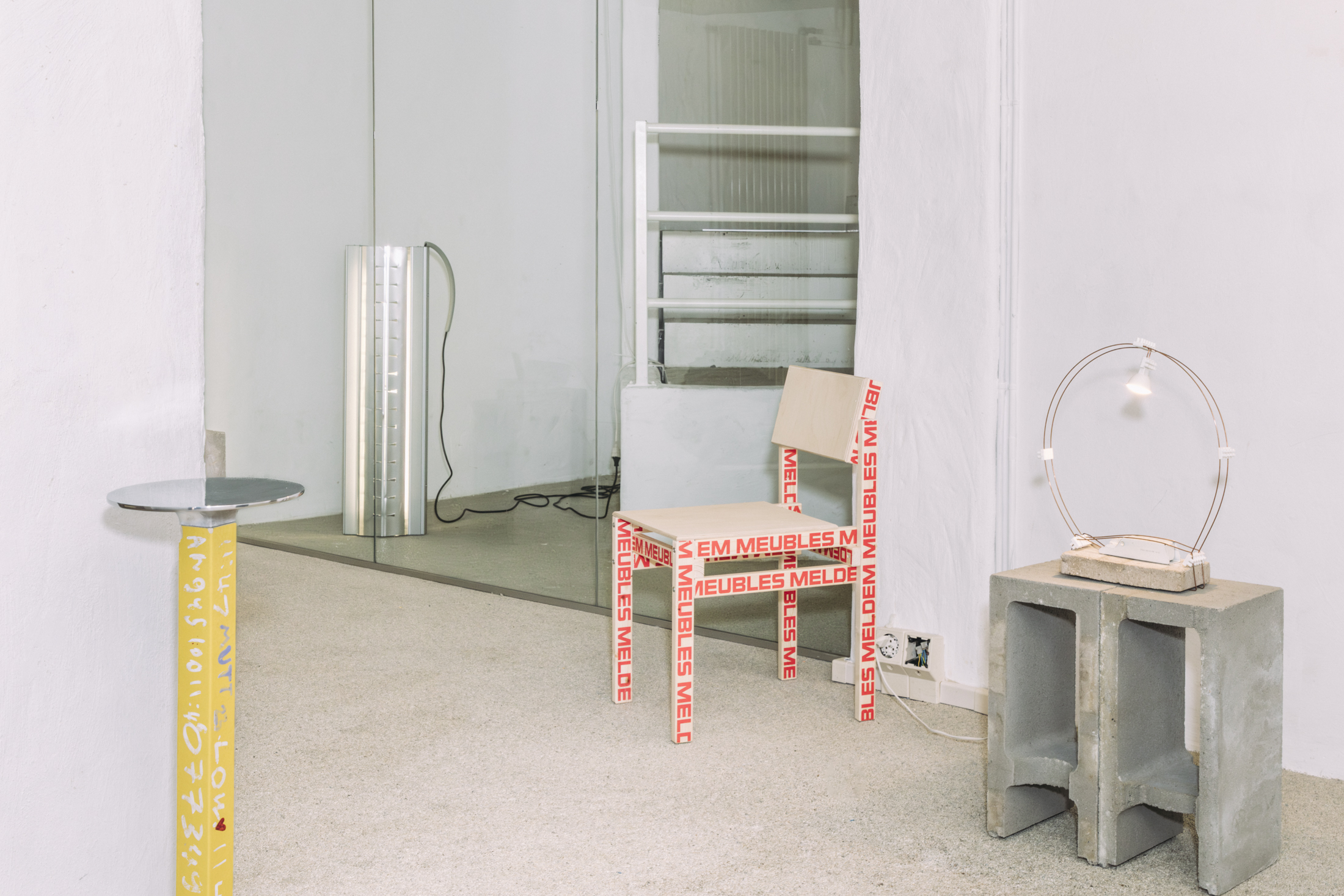
expected. A stool on skateboard wheels. A lighting fixture that behaves like a prop or a phone charger cast like a bowl of ice. Gestures and materials collide, sometimes pointing toward function, other times toward fiction. Suspicious Objects brings together designers, artists, and architects whose works resist fixed roles — responding to the ambiguity of contemporary use, the overflow of material life, and a refusal to play by the usual categories.
Set within FUSE — a fast-paced concept space known for its curated mix of fashion, furniture, and events — the exhibition plays with expectations. Pieces drift between product and prop, sculpture and suggestion. Materials are repurposed, formats borrowed. Some works sit quietly in the room. Others interfere.
This collaboration brings together two distinct but complementary rhythms: FUSE’s immediate, high-energy pulse and Second Nature’s slower, process-led curating. Rather than following fixed programs, both treat exhibitions as open frameworks — responsive to context, grounded in intuition, and open to play. Together, they create space for overlapping sensibilities and for objects that shift between categories, tempos, and ways of being seen.
Suspicious Objects
A collaboration between FUSE Concept Space
and SECOND NATURE PROJECTS
EXHIBITION VIEWS

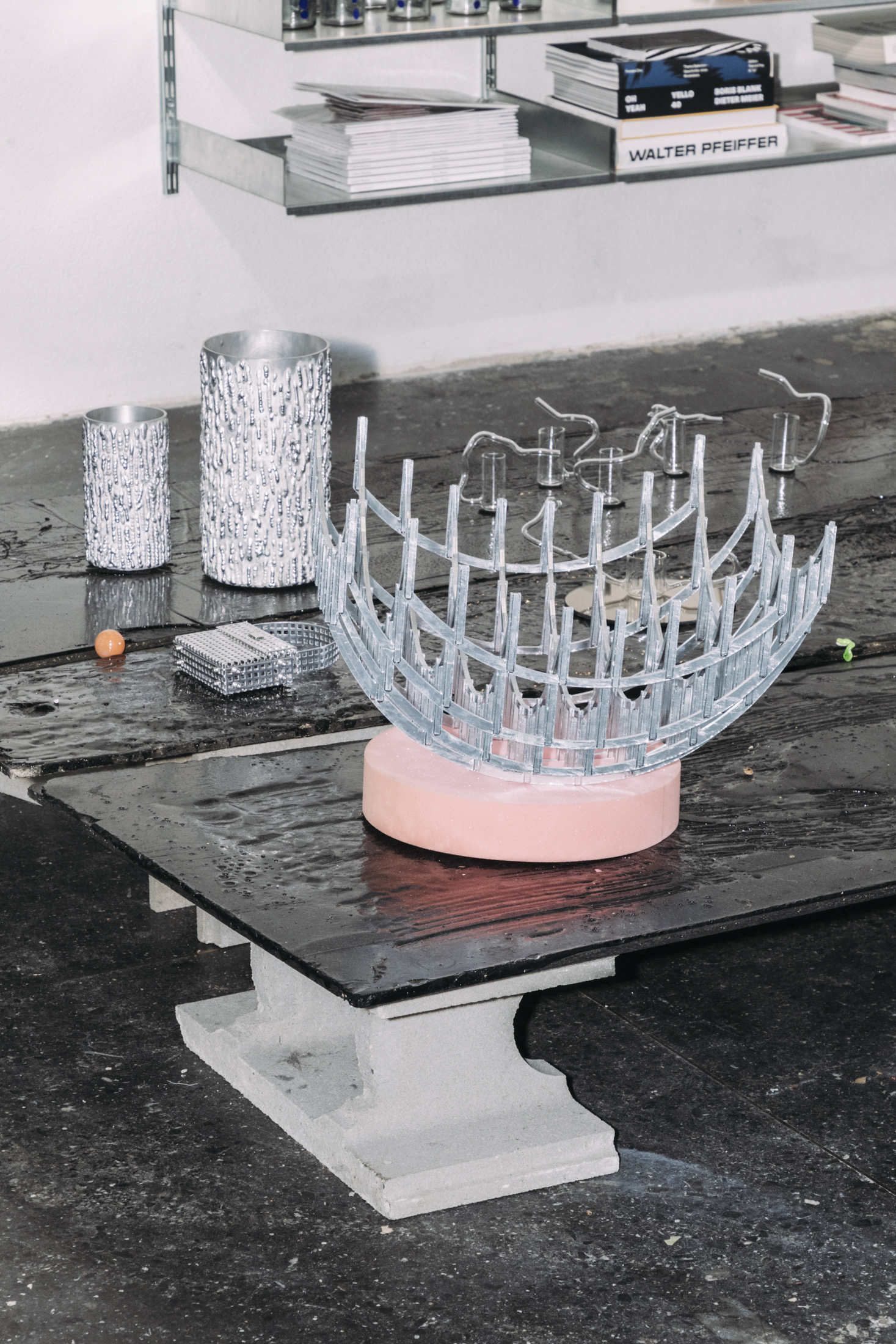
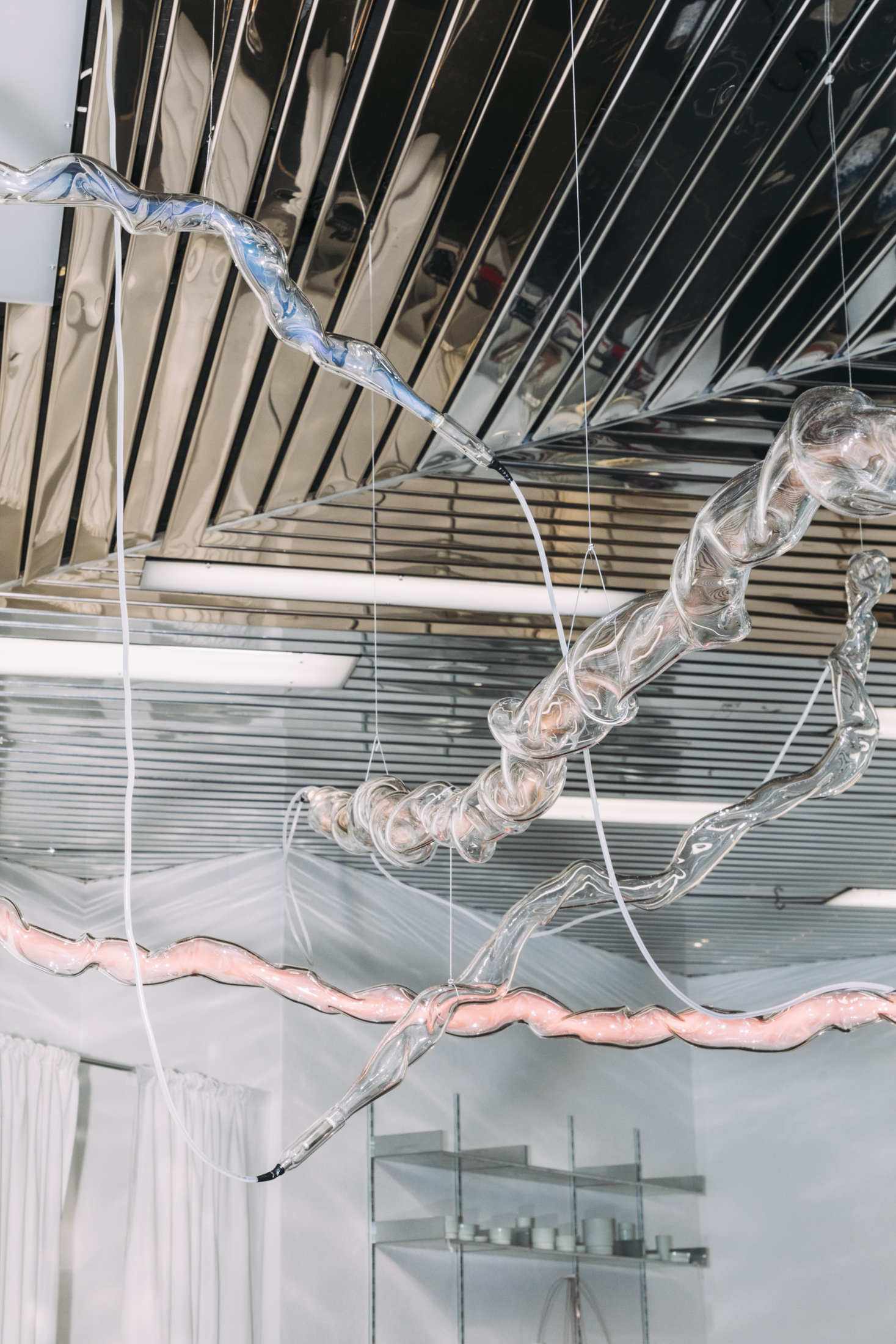


Photography: Studio Oliver Kümmerli